
Pests and Diseases
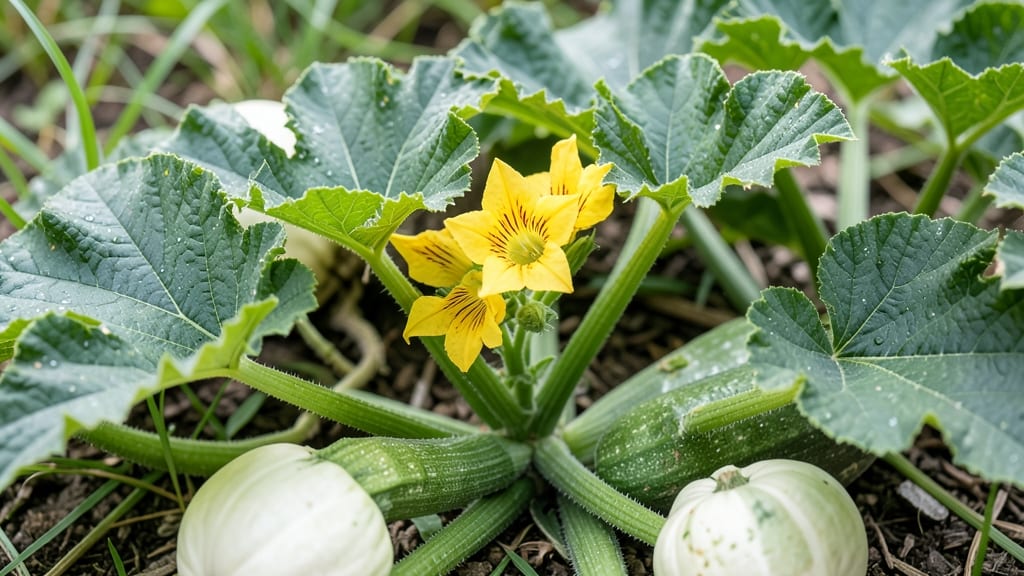
Rabbits can eat zucchini and squash in moderation as safe, hydrating treats—rich in fiber and vitamins but low in protein. Feed small portions (1-2 tablespoons per 2 lbs of body weight) daily, avoiding seeds or peels unless organic and pesticide-free.
Zucchini and squash make excellent low-calorie additions to a rabbit's diet, packed with vitamin A for eye health and vitamin C to boost immunity. 💫 These veggies also provide hydration, which is crucial for rabbits prone to dehydration.
However, their low protein content means they should never replace hay or pellets—they're best as supplements. Always wash produce thoroughly and remove any seeds or tough skins, as these can cause digestive issues or blockages.
When introducing these vegetables, start with tiny amounts (about 1 teaspoon for a 5-lb rabbit) and monitor your bunny's stool for 24 hours. Signs of overfeeding include soft stools or bloating, which means you'll need to reduce portions immediately.
I recommend rotating between different squash varieties—like butternut or acorn—to provide varied nutrients while keeping meals interesting for your pet.
💡 In This Article
- Nutritional Breakdown of Zucchini and Squash for Rabbits
- Safe Feeding Guidelines and Potential Risks
Nutritional breakdown of zucchini and squash for rabbits
Zucchini and squash are powerhouses of hydration and fiber for rabbits, containing 90-95% water by weight—ideal for preventing dehydration, a common issue in rabbits.
Their high fiber content (around 2-3 grams per 100 grams) supports healthy digestion by promoting gut motility, which is essential for preventing gastrointestinal stasis, a potentially fatal condition. The fiber in these vegetables also acts as a natural prebiotic, feeding beneficial gut bacteria that help break down complex carbohydrates.
These veggies are particularly rich in vitamin A (in the form of beta-carotene), with zucchini providing about 270 IU per 100 grams and butternut squash offering nearly 4,500 IU—critical for maintaining healthy vision, immune function, and skin integrity in rabbits.
They also contain significant amounts of vitamin C (about 10-20 mg per 100 grams), which rabbits cannot produce on their own, making these vegetables an excellent supplement for their immune system.
Additionally, the potassium content helps regulate muscle and nerve function, while vitamin K supports blood clotting and bone health.
The low protein content (around 1-2 grams per 100 grams) is why these vegetables should never replace a rabbit's primary diet of hay and pellets. Rabbits require 12-15% protein from their staple foods, and zucchini or squash alone won't meet that need.
Instead, think of them as a hydrating, fiber-rich dessert—similar to how you'd offer a small piece of fruit, but with even more digestive benefits. The natural sugars in these vegetables are minimal (around 3-5 grams per 100 grams), so they won't contribute to obesity or blood sugar spikes.
One often-overlooked benefit is their low calcium content (typically 20-30 mg per 100 grams), which makes them a safer option compared to leafy greens like kale or spinach.
High calcium can lead to urinary issues in rabbits, so squash and zucchini provide a calcium-to-phosphorus ratio that aligns well with their dietary needs. The texture is also gentle on their teeth—unlike hard pellets or raw carrots—which helps maintain proper dental health as they age.
For comparison, 1 tablespoon of zucchini (about 15 grams) provides roughly 10% of a rabbit's daily vitamin C needs and 5% of their vitamin A requirements, making it a practical addition to their diet.
The high water content also helps flush out the urinary system, reducing the risk of bladder stones—a common health issue in pet rabbits.
However, the key is balance: these vegetables should make up no more than 10-15% of a rabbit's daily vegetable intake, with the rest coming from leafy greens like romaine lettuce or cilantro.
What most rabbit owners don't realize is how the cellulose structure in zucchini and squash changes as they ripen. Younger, less mature squash have thinner cell walls, making them easier to digest, while overripe varieties can cause bloating due to increased fiber density.
This is why I always recommend feeding firm, bright-colored squash with smooth skins—avoiding any that feel mushy or have soft spots, which indicate overripeness and higher sugar content.