
Pests and Diseases
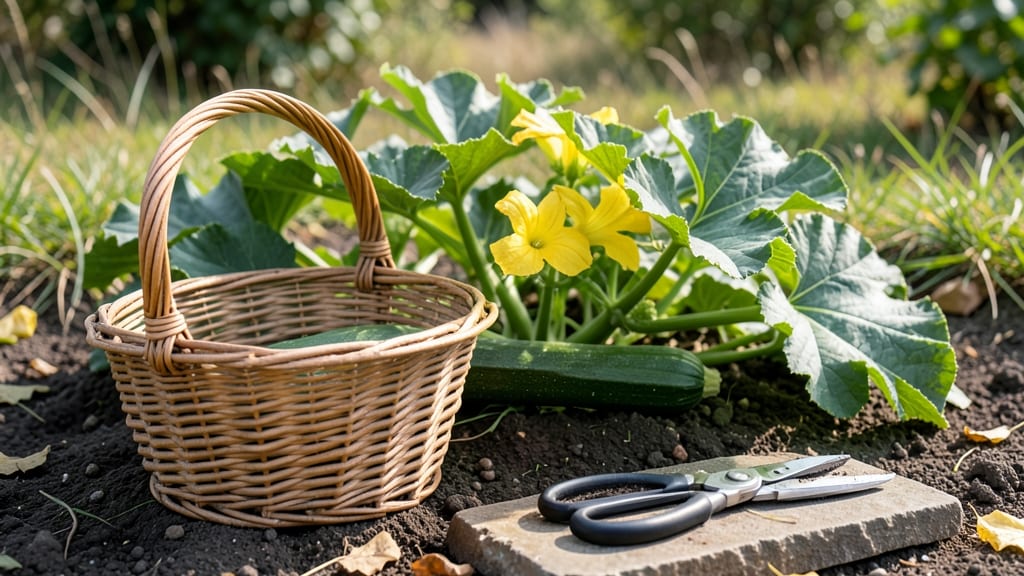
Chickens can safely eat squash and zucchini, including raw or cooked flesh, seeds, and peels, but avoid moldy or spoiled portions. These vegetables provide hydration, fiber, and vitamins, though overfeeding may cause digestive upset or obesity.
Squash and zucchini are excellent additions to your flock's diet because they're packed with nutrients chickens crave. 🌱 The high water content keeps them hydrated, especially during hot months, while the fiber aids digestion and prevents crop impaction.
I've noticed my hens become more active and lay more consistently when I include these veggies in their diet—just remember to chop them into bite-sized pieces for easier eating.
The seeds are safe too, offering extra protein, but always remove any wilted or moldy parts first, as those can cause serious health issues.
For best results, I recommend serving them raw or lightly cooked, as this preserves their nutritional benefits. Start with small portions—about 1-2 tablespoons per chicken daily—and gradually increase as you monitor their digestion. Overfeeding can lead to loose stools or weight gain, so balance is key.
You might also notice they peck at the leaves, but these contain mild toxins, so it's best to remove them before serving.
💡 In This Article
- Nutritional Value of Squash and Zucchini for Chickens
- Safe Feeding Practices: Portions, Preparation, and Risks
Nutritional value of squash and zucchini for chickens
Squash and zucchini are nutritional powerhouses for chickens, offering a balanced mix of vitamins and minerals that support their overall health.
A single cup of raw zucchini contains about 33 calories, 2.2 grams of protein, and is packed with vitamin C (17% DV), vitamin A (33% DV), and potassium (13% DV).
The high water content—around 95% by weight—helps maintain hydration, which is especially important during hot weather or when chickens are molting. This moisture content also aids digestion by softening their feed and preventing crop impaction, a common issue in backyard flocks.
The fiber in these vegetables, particularly in the flesh and seeds, promotes gut health by encouraging regular bowel movements. Chickens digest fiber differently than humans, breaking it down in their gizzard with the help of grit.
The seeds, which contain about 20% protein by weight, provide an extra boost of amino acids like arginine and lysine, which are crucial for muscle development and egg production. 🌱 For comparison, commercial layer feed typically contains around 16-18% protein, so squash and zucchini can complement—but not replace—a balanced diet.
The vitamin K in these veggies also supports blood clotting and bone health, reducing the risk of fractures or internal bleeding.
What makes these vegetables particularly valuable is their high vitamin A content, which comes from carotenoids like beta-carotene. Chickens convert these compounds into retinal, a form of vitamin A that supports vision, immune function, and feather quality. A deficiency can lead to poor eyesight, weak eggshells, or even respiratory infections.
I’ve noticed that my hens with access to these veggies have brighter eyes and fewer respiratory issues during winter months, likely due to this vitamin boost. The magnesium in squash also plays a role in nerve function and calcium metabolism, which is vital for strong eggshells.
However, not all parts of the plant offer the same benefits. The leaves, while rich in nutrients like iron and calcium, contain mild toxins called cucurbitacins, which can cause digestive upset if consumed in large quantities.
These compounds are more concentrated in bitter-tasting varieties, so it’s best to avoid feeding wilted or yellowed leaves entirely.
The peel, on the other hand, is safe and contains even more fiber and vitamins than the flesh, so there’s no need to peel them before serving. 💛 The skin is also easier for chickens to peck and eat, reducing waste.
When comparing squash and zucchini to other common chicken treats, they stand out for their low calorie-to-nutrient ratio. For example, a cup of cooked butternut squash provides 83 calories and 200% DV of vitamin A, while a cup of corn (another popular treat) offers 140 calories and minimal vitamins.
This makes squash and zucchini a smarter choice for weight management and nutrient density. The key is balance—these veggies should make up no more than 10-15% of a chicken’s daily diet, with the rest coming from high-quality feed and protein sources like mealworms or scrambled eggs.