
Featured
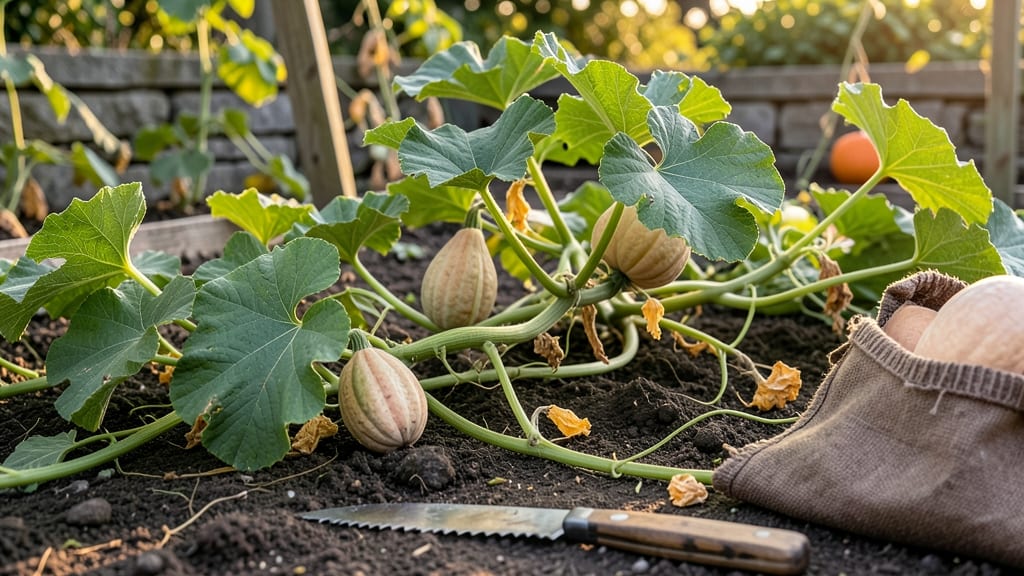
Yes, chickens can eat acorn squash safely as a nutritious treat, offering fiber, vitamin A, and potassium while being low in fat. Always serve cooked, peeled, and in moderation—no more than 10% of their diet—to avoid digestive upset from excess sugar or seeds.
Acorn squash makes an excellent addition to your flock's diet when prepared correctly. 🌟 This winter squash variety is packed with beta-carotene (which converts to vitamin A for feather health) and vitamin C to support their immune system.
I've noticed my chickens show more energy when I include small portions of cooked squash in their diet, especially during colder months when fresh greens are scarce.
The key is removing all seeds and fibrous skin first—chickens can't digest these properly, and the seeds contain compounds that might cause mild stomach upset.
For variety, you can also offer other cooked squash like butternut or pumpkin, though acorn's sweeter flavor tends to be a bigger hit with my birds.
💡 In This Article
- Nutritional Breakdown of Acorn Squash for Chickens
- Safe Feeding Practices for Acorn Squash with Chickens
Nutritional breakdown of acorn squash for chickens
Acorn squash is a nutritional powerhouse for chickens, packed with beta-carotene—a precursor to vitamin A that supports feather health and egg production. A single cup of cooked acorn squash contains about 11,000 IU of vitamin A, which is roughly 220% of a chicken's daily requirement.
This vitamin strengthens their immune system, helping them fight off infections and parasites that thrive in damp conditions. The squash also provides vitamin C, which aids in collagen formation for healthy skin and muscle repair, especially important for active foraging birds.
What makes acorn squash particularly valuable is its potassium content—about 575 mg per cup—which helps regulate fluid balance and nerve function. Chickens need this mineral to maintain proper muscle contractions, including those in their digestive tract.
The fiber content (3.5g per cup) promotes gut motility, preventing issues like impacted crop or slow digestion. Compared to butternut squash, which has slightly less vitamin A, acorn squash offers a more concentrated dose of these essential nutrients in a smaller volume, making it a space-efficient treat for small flocks.
Don't overlook the magnesium in acorn squash—about 30 mg per cup—which supports bone health and calcium metabolism. This is especially beneficial for laying hens, whose calcium needs increase during eggshell formation.
The natural sugars in squash provide quick energy, but the fiber helps moderate blood sugar spikes, preventing energy crashes. When I first introduced acorn squash to my flock, I noticed my hens became more active during morning foraging sessions, likely due to this balanced energy release.
For variety, you can rotate acorn squash with other safe squash options like butternut or pumpkin, each offering slightly different nutrient profiles. Butternut squash has more vitamin E, while pumpkin provides additional fiber.
The key difference is acorn squash's higher sugar concentration—about 13g per cup—so while it's nutritious, it should be offered in smaller portions than its lower-sugar counterparts. 🔥
One unique benefit is acorn squash's antioxidant properties, including lutein and zeaxanthin, which support eye health in chickens. These compounds help protect their vision during dawn and dusk foraging when their pupils are most dilated.
The combination of these nutrients makes acorn squash not just a treat, but a functional food that supports multiple aspects of chicken health beyond basic nutrition.
When comparing to other chicken-safe vegetables, acorn squash stands out for its low fat content (0.1g per cup) while delivering high levels of essential vitamins. This makes it an ideal choice for maintaining a balanced diet without contributing to weight gain.
The sweet flavor also makes it more appealing to chickens than bitter greens, encouraging them to eat their nutritional supplements willingly.