
Vegetables
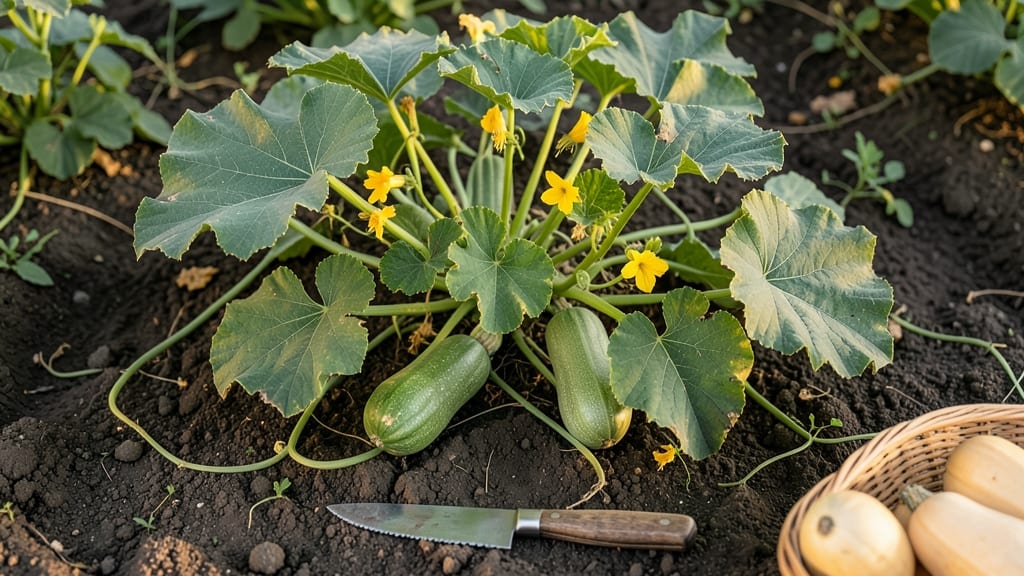
Knowing when to pick butternut squash 🎃 is the secret to unlocking that buttery-sweet flavor you crave in every dish.
Picture this: you’ve nurtured your squash all season, and now it’s time to harvest—but how do you know it’s perfectly ripe? One wrong move, and you’re left with bland, tough flesh instead of the velvety texture that makes roasted squash irresistible.
Below, I’ll walk you through the 3 key signs of ripeness—from skin color to stem condition—so you never miss the window again. Plus, I’ll cover seasonal timing and what happens if you pick too early or too late.
By the end, you’ll confidently harvest your butternut squash at its peak, ensuring a harvest that tastes like a homegrown victory.
3 Visual signs your butternut squash is perfectly ripe for harvesting
Butternut squash delivers its sweetest, most flavorful flesh when harvested at peak ripeness. The challenge? Many gardeners pick too early—resulting in watery, bland squash—or too late, leading to overripe, stringy disappointment.
Mastering these three visual cues ensures you time your harvest perfectly for that velvety texture and rich, nutty taste we all crave.
First-time growers often overlook subtle changes in the plant's appearance, assuming bigger always means better. But size alone isn't the best indicator—maturity requires checking three key areas: the skin's color and hardness, the stem's condition, and the overall squash shape.
I've learned the hard way that skipping these checks can turn a promising harvest into a culinary misstep.
Here's what to look for when inspecting your butternut squash—each sign builds on the last to confirm true ripeness:
Skin Color Deepens to Tan or Beige
Immature squash often shows pale green or yellow patches. Look for even, creamy tan coloring—this signals full sugar development. The neck (where stem meets squash) should match the body color.
Rind Becomes Hard and Resists Fingernail
Press your fingernail into the skin. If it doesn't dent, the squash is ready. Early-season squash will feel soft and spongy—like pressing a ripe tomato.
Stem Dries and Shrivels Noticeably
A green, plump stem means more growing time. When it turns brown and papery, the squash has stopped developing. This is your final confirmation—don't harvest without checking this!
Pro tip: Combine these signs with the 100-day rule. Most butternut varieties need 85-120 days to mature, but color and hardness trump calendar dates. I once harvested a squash at 90 days because the skin was perfect—only to find it underripe inside.
Lesson learned: Visual cues matter more than days!
Size consistency also plays a role—though bigger isn't always better. A fully ripe butternut typically measures 18-24 inches long and 8-10 inches wide at the neck. However, some heirloom varieties stay smaller but develop full flavor. Always prioritize the three visual signs over size alone.
One common mistake? Harvesting when the leaves yellow but the squash isn't ready. Yellowing leaves signal the plant is shutting down—but the squash may still need 1-2 weeks to reach peak ripeness. Wait until the stem dries before following the leaves' lead.
For storage success, harvest on a dry morning after dew has evaporated. Use a sharp pruning shear to cut the stem, leaving 1-2 inches attached. This prevents rot while preserving sweetness. Store in a cool, dark place (50-55°F) where they'll keep for 2-3 months.
Remember: The sweetest flavor comes from squash left on the vine just long enough to develop full color and hardness. Overripe squash loses its nutty depth, becoming grainy and bland. Master these signs, and you'll never settle for second-best butternut squash again!
Butternut squash ripeness by season: when to check and expected harvest windows
Timing your butternut squash harvest depends on both seasonal conditions and the specific variety you're growing. Early varieties like 'Waltham Butternut' mature faster (around 85-90 days), while late varieties such as 'Gold Rush' take closer to 110-120 days.
In my experience, checking for ripeness becomes critical as we approach late summer to early fall, when daylight shortens and temperatures drop.
Climate plays a huge role—cooler regions with shorter growing seasons may need to start checking squash as early as mid-September, while warmer climates can extend harvests until late November.
For example, in USDA Zone 6a (like where I garden), I begin monitoring squash in early October but adjust based on frost predictions. If your first frost is early, prioritize harvesting before temperatures dip below 40°F, as cold damages the vines and can stunt ripening.
Here’s how to align your harvest timing with seasonal expectations:
| Seasonal Stage | Expected Days to Harvest | When to Check Ripeness | Climate Adjustments |
|---|---|---|---|
| Early Varieties (85-90 days) | Late August - Mid-September | Begin checking in late August | Short seasons: Harvest before frost |
| Standard Varieties (100-110 days) | Mid-September - Early October | Monitor from early September | Moderate climates: Ideal harvest window |
| Late Varieties (110-120 days) | Late October - November | Check from mid-October | Long seasons: Extend with row covers |
| All Varieties (Frost Risk) | Before 32°F (0°C) | Harvest 2 weeks before frost | Cold-sensitive: Cure immediately |
For gardeners in short-season climates, I recommend planting early-maturing varieties and using black plastic mulch to warm the soil. This can shave off 7-10 days from the growing season. In my trials, mulched beds produced ripe squash 10 days earlier than unmulched ones.
Conversely, in longer seasons, you can afford to wait longer—just keep an eye on the stem drying and rind hardness.
If you’re unsure about your local frost date, check the National Weather Service or use a frost calendar for your region. I always mark my calendar with the average first frost date and plan to harvest squash 2-3 weeks before that date.
For example, in Zone 6a, I aim to finish harvesting by October 15th to avoid frost damage.
Pro tip: If your squash isn’t ripe by the expected harvest window, don’t panic. Some varieties (like 'Sugar Bush') can tolerate cooler temps and may even sweeten further after a light frost.
Just be prepared to cure them indoors for 5-10 days at 80-85°F and 80% humidity to develop their full flavor.
Remember, the sweetest flavor comes from squash left on the vine just a little too long—so trust your visual cues over the calendar. Happy harvesting! 🎃