
Vegetables
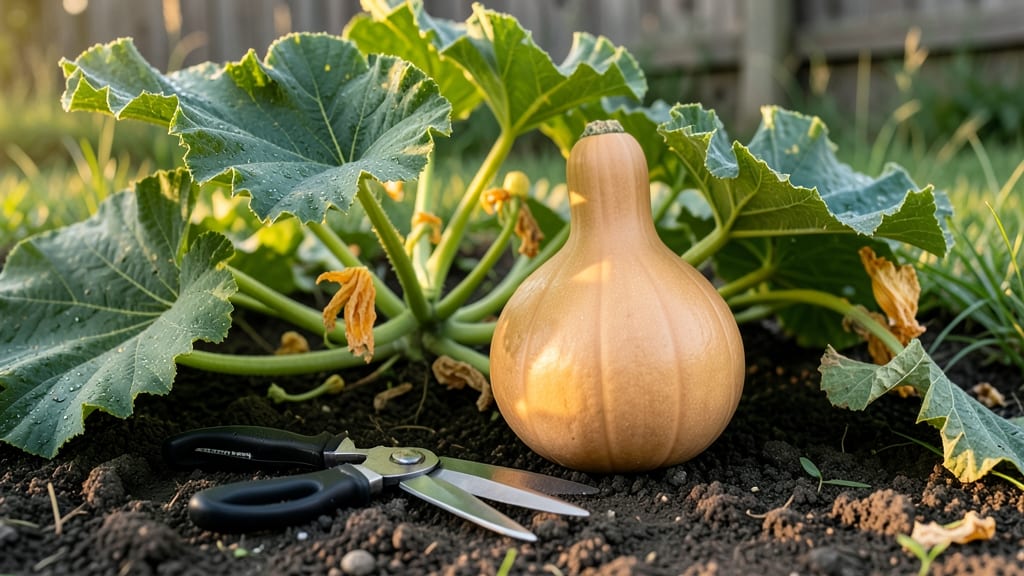
How to test butternut squash ripeness using touch and sight
Butternut squash ripeness isn’t just about size—it’s about texture, color, and weight. Many gardeners pick squash too early, ending up with bland, watery flesh, or too late, resulting in stringy, overripe produce.
The key is using your hands and eyes to assess ripeness accurately. These 3 tactile tests will help you select squash with the perfect balance of sweetness and firmness every time.
First, let’s address the biggest misconception: size doesn’t equal ripeness. A butternut squash can grow to full size while still being underripe inside. Instead, focus on the stem, skin hardness, and overall weight.
These indicators work together to tell you whether your squash is ready for harvest or needs more time on the vine. For example, a squash that feels light for its size is likely underripe, while one that’s heavy and dense is probably perfect.
| Test Method | Underripe Signs | Perfectly Ripe Signs | Overripe Signs |
|---|---|---|---|
| Stem Firmness | Green, flexible, and attached firmly | Dry, brittle, and detaches easily | Rotten, mushy, or falling off |
| Skin Color | Pale, uneven, or green patches | Deep tan or beige, uniform | Dull, wrinkled, or moldy spots |
| Weight Assessment | Light for its size, hollow-sounding | Heavy and dense, feels solid | Excessively heavy with soft spots |
| ‘Thump Test’ | High-pitched, hollow sound | Deep, dull thud (like a melon) | Mushy or squishy when tapped |
The stem test is your first clue. A ripe butternut squash will have a dry, woody stem that snaps easily when twisted. If the stem is still green and flexible, the squash needs more time.
This is because the stem’s dryness indicates the squash has stopped growing and is fully mature. For example, I once picked a squash with a green stem, only to find it was bland and watery—definitely not the sweet, nutty flavor I was hoping for.
Next, examine the skin color and texture. A perfectly ripe butternut squash will have a deep tan or beige color that’s uniform across the surface. Avoid squash with green patches or pale spots, as these indicate underripeness.
The skin should also feel hard and slightly rough to the touch, like a winter squash should. If the skin is soft or wrinkled, the squash is overripe and past its prime.
Don’t underestimate the power of weight and the ‘thump test’. A ripe butternut squash should feel heavy for its size, almost like it’s packed with dense, sweet flesh. To perform the ‘thump test,’ gently tap the squash with your knuckles.
A ripe squash will produce a deep, dull thud, similar to the sound of a ripe cantaloupe. If it sounds hollow or high-pitched, it’s underripe. This test works because the internal flesh becomes denser and sweeter as the squash ripens.
One of my favorite tricks is to compare squash side by side. Place two or three candidates on a flat surface and assess them together. This helps you notice subtle differences in color, weight, and stem condition that you might miss when examining them individually.
For instance, I once had three squash that looked similar in size, but one stood out because it was significantly heavier and had a drier stem. That was the one I chose—and it was delicious!
Seasonal timing also plays a role in ripeness. In cooler climates (Zones 3-5), butternut squash typically ripens later in the season, often in October or early November. In warmer climates (Zones 6-10), they may ripen as early as September.
However, always rely on the tactile tests rather than the calendar. For example, a squash grown in a greenhouse might ripen earlier than those in an open field, even if the season is the same.
If you’re harvesting from your own garden, pay attention to the vine and leaves. When the vine begins to yellow and die back, it’s a sign that the squash is nearing ripeness.
This is your body telling you that the plant is shifting its energy from growth to seed production (yes, squash are technically fruits!). I like to mark the harvest window on my calendar when the first squash start showing signs of ripeness, as they’ll all follow within a few weeks.
Finally, store your ripe butternut squash in a cool, dry place with good airflow to extend its shelf life.
3 Common mistakes that make you pick underripe or overripe squash
Even experienced gardeners sometimes fall into the trap of judging butternut squash ripeness by the wrong cues. Size alone? A big squash isn’t always ripe—it could just be overwatered. Color shifts?
Pale spots might mean sunburn, not sweetness. These 3 common mistakes lead to disappointing harvests, but understanding them will help you pick squash at peak flavor every time.
First, many gardeners assume a squash is ready simply because it’s detached from the vine. But leaving squash on the vine too long can turn sweet flesh into a gummy mess.
Meanwhile, pulling it too soon results in bland, watery texture. The vine’s role is more about protection than ripeness—it’s what’s inside the squash that truly matters.
Another frequent error is focusing on skin color alone. While butternut squash should develop a deep tan or beige hue, relying solely on color means you might miss the hardness test.
A squash can look ripe but still be soft inside, or appear dull while hiding perfectly sweet flesh. This is where touch becomes your best tool.
Don’t judge by the stem! A dry, woody stem is a good sign, but a green, flexible stem means the squash isn’t ready—even if the rind looks hard. Overripe squash often detaches easily, but its flesh will be stringy and seedy. Always check rind hardness first!
Many gardeners also make the mistake of harvesting too early just to beat the first frost. While butternut squash can tolerate light frosts, pulling them too soon sacrifices flavor development.
The sugars in squash continue to concentrate until the plant’s energy shifts toward dormancy. If you’re in a short growing season, prioritize full maturity over timing.
To avoid these pitfalls, I recommend combining 3 simple tests: press the rind with your thumbnail (it should resist, not dent), check the stem (dry and brittle = ready), and give it a gentle tap—ripe squash makes a hollow sound.
These tactile checks eliminate guesswork and ensure you’re harvesting at the perfect moment for maximum sweetness.
Remember, the best squash isn’t always the largest or most colorful one. It’s the one that passes all three tests—hard rind, dry stem, and hollow thump. Master these, and you’ll never waste another harvest on underripe or overripe butternut squash again.