
Picking
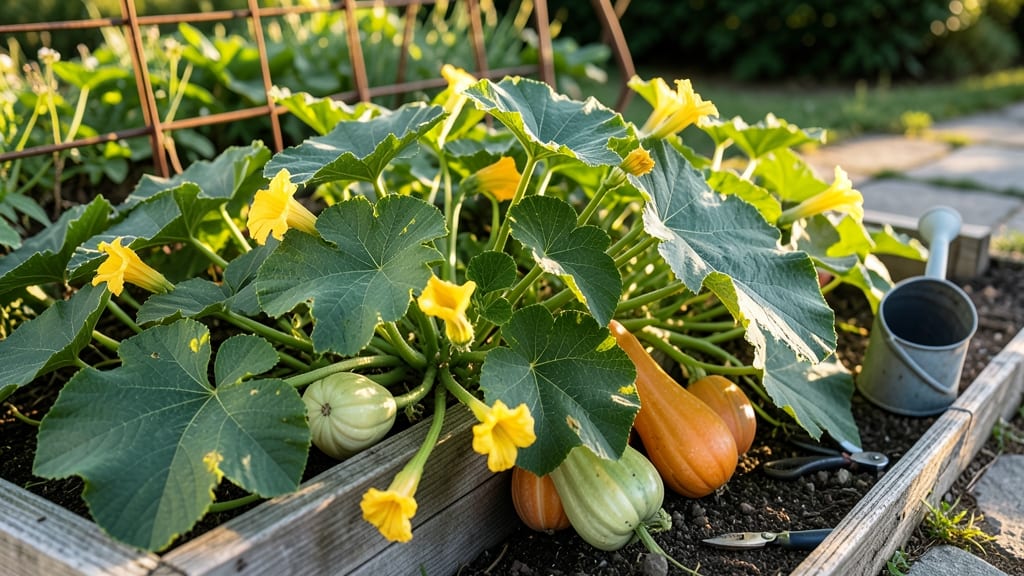
Your butternut squash buds hold the secret to sweeter, more abundant harvests—if you know how to protect them. 🌱 I’ve watched entire crops fail because of overlooked bud health, but these simple checks can turn struggling vines into productive powerhouses. The key? Catching problems before they stifle those delicate flowers.
Poor pollination is the #1 culprit—wind or rain can scatter pollen, leaving buds barren. Hand-pollination with a soft brush or cotton swab takes just 2 minutes per vine and guarantees fruit set.
Watch for yellowing leaves too; they signal nutrient stress or pests like squash vine borers, which chew through stems and kill buds overnight.
Once you spot healthy buds, protect them with a light shade cloth during heatwaves (above 90°F) and ensure consistent watering—drought stress causes buds to drop. A balanced fertilizer (10-10-10) applied at flowering time gives vines the energy they need to sustain fruit development.
By mid-summer, your vines should be covered in plump squash. The real payoff? These well-cared-for buds produce 20-30% larger harvests than neglected ones. Keep an eye on those flowers—they’re your future dinner table.
📚 In This Guide
- What you need
- Instructions
- Tips and common mistakes
- Wrapping up and next steps
What you need
- ● Butternut squash plant: A healthy, mature plant (preferably Cucurbita moschata or C. pepo varieties known for bud development). Aim for plants with vines at least 3–4 feet long for optimal bud formation.
- ● Sharp pruning shears or scissors: Sterilized (70% isopropyl alcohol or a 1:10 bleach-water solution) to prevent disease. Bypass-style blades (not anvil) for clean cuts.
- ● Small container or basket: For collecting buds (a mesh produce bag or paper towels work best to prevent bruising).
- ● Permanent marker or labels: To tag harvested buds with dates (if storing long-term).
- ○ Gloves (optional but recommended): Nitrile or latex-free to protect against squash vine borers or prickly stems.
- ● Timing: Harvest buds when they’re 1–2 inches long and firm to the touch (typically 45–60 days after pollination, depending on variety and climate).
- ● Weather: Choose a dry, sunny morning to minimize moisture and maximize flavor.
- ● Location: Focus on the upper third of the vine, where buds are most abundant and tender.
- ● Magnifying glass: For spotting tiny buds hidden among leaves.
- ● Spray bottle with water: To mist buds if harvesting in hot, dry conditions (prevents wilting).
- ● Food-safe storage bags: With paper towels to absorb excess moisture (extend shelf life by 3–5 days in the fridge).
- ● Field guide or app: For identifying butternut squash varieties (e.g., "Waltham Butternut" vs. "Gold Rush").
Step-by-step guide to harvesting butternut squash buds
Here's how to pick these delicate flowers at peak flavor—before they turn into fruit.
🌿 Step 1: Identify the Perfect Bud Stage
Butternut squash buds are ready when they're 1-2 inches long and still tightly closed, showing no sign of opening. The bud should feel firm to the touch but yield slightly when pressed gently. Look for buds that are a vibrant green-yellow hue—this indicates they're at their sweetest point. Avoid buds that have begun to bloom or show any wilting, as these will lose their delicate flavor.
Check your plants in the early morning when buds are fully hydrated and at their peak. The first buds typically appear 4-6 weeks after pollination, so keep an eye on your squash plants as they mature. Use a small hand lens if needed to examine the buds closely—you'll notice tiny hairs along their edges, a key indicator of freshness.
✂️ Step 2: Harvest with Precision
Use clean, sharp pruning shears or your fingers to harvest the buds. Grip the bud firmly at its base and twist gently to detach it cleanly from the vine. Never pull or tug—the stem should snap off easily without damaging the plant. Harvesting this way encourages the plant to produce more buds in the same location.
Work quickly if harvesting multiple buds, as they can wilt fast in direct sunlight. Place harvested buds in a paper bag or mesh produce bag to allow airflow while keeping them contained. Store them in the refrigerator for up to 3 days—this preserves their delicate texture and flavor. If you're not using them immediately, blanch and freeze them for later use.
☀️ Step 3: Prepare and Use Immediately
Once harvested, rinse the buds gently under cool water to remove any debris, then pat them dry with a clean kitchen towel. The buds are best used within 24 hours of harvesting for maximum flavor and texture. They're incredibly versatile—try them in salads, sautéed with garlic and olive oil, or even stuffed with herbs and cheese.
For a quick preparation, blanch the buds in boiling water for 30 seconds, then shock them in ice water. This stops cooking and locks in their vibrant green color. You can now store them in an airtight container in the freezer for up to 3 months. When ready to use, simply thaw and reheat gently to preserve their delicate taste.
🌱 Step 4: Encourage More Bud Production
After harvesting, keep your butternut squash plants well-watered and fertilized to encourage more bud production. Use a balanced fertilizer (like 10-10-10) every 2-3 weeks during the growing season. Prune any yellowing or diseased leaves to redirect the plant's energy toward bud development.
Monitor your plants for signs of stress, such as wilting or discolored leaves, which can reduce bud production. If you notice any pests, like squash bugs or aphids, treat them promptly with an appropriate organic insecticide. A healthy plant will continue to produce buds throughout the season, giving you multiple harvests.
Tips & tricks for perfect butternut squash bud harvesting
Here's what nobody tells you about harvesting these delicate floral treasures—details that make all the difference between mediocre and extraordinary flavor.
Timing is Everything: The early morning window between 6-9 AM is absolutely critical for harvesting. Buds are fully hydrated then, which means they'll hold their shape and flavor far better than if you pick them later in the day. I've learned this the hard way after harvesting buds that wilted within hours—morning is when they're at their peak firmness and sweetness. If you must harvest later, work quickly and store them immediately in the fridge to preserve their texture.
Precision Harvesting Technique: When you twist the bud from the vine, make sure you're gripping the base where it meets the stem—not the middle or the top. This prevents tearing and ensures the plant can regenerate more buds in that spot. I always run my thumb along the stem first to check for any tiny buds forming below, which means you can harvest multiple harvests from a single vine over time. This technique alone can double your yield per plant.
Storage Wisdom: The 3-day refrigerator storage window is non-negotiable for fresh buds, but there's a trick to extend their life slightly. Place a damp paper towel in the container with the buds—this adds moisture to the air and prevents them from drying out prematurely. For freezing, the 30-second blanch is crucial: it stops enzyme activity that causes browning and flavor loss. I always use ice water that's just below freezing temperature (around 32°F) for the shock bath to lock in that vibrant green color.
Encouraging Future Production: That 2-3 week fertilizer schedule makes a world of difference, but timing matters. Apply fertilizer immediately after harvesting to give the plant a nutrient boost for its next growth cycle. I've found that a light application of compost tea (1 tablespoon per gallon of water) right after harvesting can give plants an extra energy boost—just don't overdo it, as too much nitrogen can actually reduce bud production. The key is balance between feeding and allowing the plant to recover from the harvest.
Pro Tips for Butternut Squash Buds
- Here's what nobody tells you about harvesting these delicate floral treasures—details that make all the difference between mediocre and extraordinary flavor.
- Timing is Everything: The early morning window between 6-9 AM is absolutely critical for harvesting.
- Precision Harvesting Technique: When you twist the bud from the vine, make sure you're gripping the base where it meets the stem—not the middle or the top.
Frequently asked questions
Got questions about harvesting butternut squash buds? You’re not alone!
Here are some of the most common queries—plus quick, actionable answers to keep your garden thriving.
What’s the best time to pick butternut squash buds for flavor?
Harvest buds when they’re just starting to open—typically in late summer to early fall (60–70 days after planting). Overripe buds lose sweetness and flavor, so act fast! Look for tight, vibrant buds with a slight give when gently squeezed. Pro tip: Morning harvests yield the freshest buds since moisture levels are ideal.
How long do butternut squash buds last after picking?
Freshly picked buds stay crisp and flavorful for 3–5 days in the fridge (stored in a paper towel-lined container). For longer storage, blanch them (dip in boiling water for 30 seconds, then ice bath) and freeze for up to 6 months. Avoid washing until ready to use—moisture speeds up spoilage! Bonus: Freeze in olive oil for a quick sauté later.
Can I eat butternut squash buds if they’re already flowering?
Yes! While buds are prized for their tenderness, fully opened flowers are edible too—just more delicate. Use them raw in salads (petals only) or lightly sautéed with garlic and herbs. Note: Remove the stamen (the "stem" inside) before eating. If flowers are wilted or discolored, compost them—they’re past their prime.
What should I do if my butternut squash buds aren’t forming?
Lack of buds often signals pollination issues or stress. Try these fixes:
- Hand-pollinate: Use a soft brush to transfer pollen from male (long-stemmed) to female (tiny squash at the base) flowers in the morning.
- Check conditions: Ensure temps stay 70–85°F and plants get full sun (6+ hours/day).
- Fertilize: Add compost or a balanced fertilizer (10-10-10) if soil lacks nutrients.
Are there alternatives to butternut squash buds if I can’t grow them?
Try these bud-like veggie swaps for similar textures and flavors:
Substitute
How to Use
Zucchini blossoms
Stuff with cheese or herbs; lightly batter and fry.
Okra pods (young)
Slice and sauté like squash buds; remove seeds first.
Chayote squash flowers
Use raw in salads or tempura-fried for a crispy bite.
Pro move: Check farmers’ markets—many sell foraged buds in season!
Wrapping up and next steps
Harvesting butternut squash buds at the right moment unlocks their full potential—bursting with flavor and aroma that elevate any dish! 🌱 Whether you're a seasoned gardener or a curious beginner, these secrets to peak harvest ensure your efforts pay off big time.
With the right tools, timing, and techniques, you’re well on your way to savoring homegrown goodness.
Now that you’re armed with the know-how, why not put your skills to the test? Try experimenting with your harvest—roast them, blend into soups, or even pickle for a tangy twist. Happy harvesting, and may your garden (and taste buds) thrive! 🌟