
Vegetables
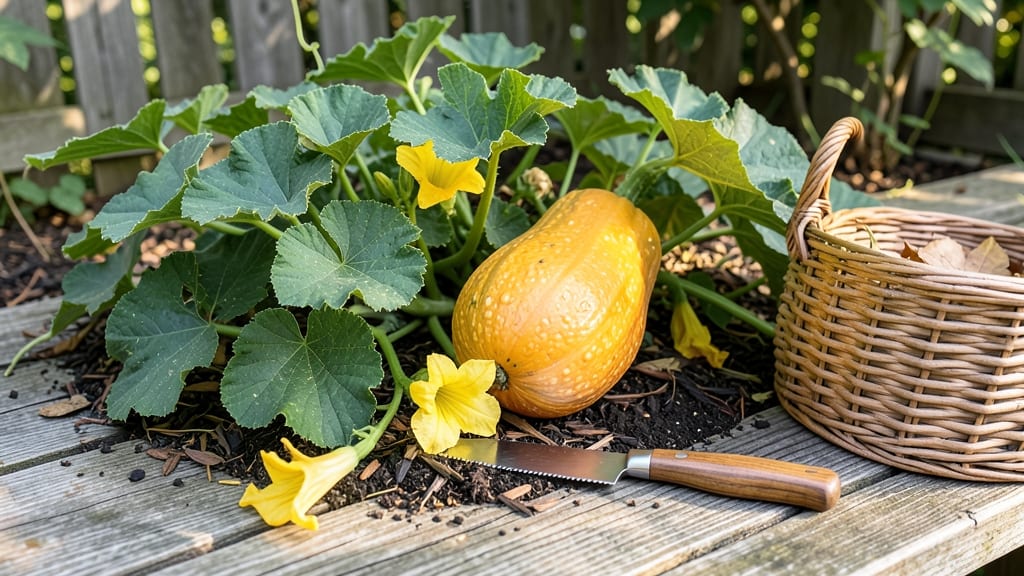
Growing bumpy yellow squash in partial sun opens up gardening possibilities for shady spots. 🌿 I’ve grown these versatile squash in my own backyard under dappled shade from fruit trees, and they thrive where other varieties would struggle.
The key lies in choosing the right variety and understanding their unique needs—from soil prep to pest management.
These squash handle partial shade better than most summer crops, making them perfect for gardeners with limited sun exposure. Start seeds indoors 4-6 weeks before your last frost or plant transplants after soil warms to 60°F.
Space plants 3-4 feet apart to give them room to sprawl, and choose well-draining soil rich in compost for the best results.
By mid-summer, you’ll be harvesting 3-6 inch squash with that classic bumpy texture, perfect for grilling or sautéing. The plants produce prolifically when given consistent moisture and a balanced fertilizer, and their shade tolerance means fewer wilting leaves compared to sun-loving varieties.
Whether you’re growing Crookneck or Straightneck varieties, these squash adapt well to partial shade while still delivering a bountiful harvest. The secret? Keep them watered, monitor for squash vine borers, and harvest regularly to encourage more production.
Common Causes Of Rough Skin
If your yellow squash sports an unexpectedly bumpy texture instead of its usual smooth skin, don’t panic—it’s often a sign of environmental or growing conditions rather than a disease.
Understanding the root causes can help you adjust your gardening approach for smoother harvests next time. Here’s why it happens, broken down by the most likely culprits.
Yellow squash thrives in warm, stable conditions, but sudden temperature fluctuations—especially during flowering and fruit development—can trigger rough skin. When nights dip below 55°F (13°C) or days soar above 90°F (32°C), the plant’s metabolism gets thrown off, leading to uneven cell growth.
- Why it happens: Low temps slow photosynthesis, causing the fruit to develop irregularly. High heat stresses the plant, reducing nutrient flow to the skin.
- Actionable fix:
- Use row covers or mulch to moderate soil temps.
- Water deeply in the early morning or evening to prevent heat stress.
- Choose heat-tolerant varieties like ‘Gold Rush’ or ‘Straightneck.’
Yellow squash plants are thirsty but hate soggy roots or drought stress. Uneven watering—whether too much or too little—disrupts cell development, resulting in lumpy or misshapen fruit.
💡 Pro Tip: Aim for 1–1.5 inches (2.5–4 cm) of water per week, delivered consistently at the base (not the leaves) to avoid fungal issues.
| Problem | Signs | Solution |
|---|---|---|
| Underwatering | Dry, wrinkled skin; small, hard bumps | Install drip irrigation or soaker hoses for steady moisture. |
| Overwatering | Soft, spongy bumps; yellowing leaves | Let the top inch of soil dry between waterings; improve drainage with compost. |
Bumpy squash can signal a deficiency in calcium, boron, or magnesium, which are critical for cell wall formation. Poor soil structure or over-fertilizing with nitrogen (without balancing micronutrients) also plays a role.
- Calcium deficiency: Causes blossom-end rot-like bumps (though less severe). Fix with crushed eggshells or calcium nitrate (follow label rates).
- Boron deficiency: Leads to cracked or lumpy skin. Amend soil with borax (1 tsp per gallon of water) or compost.
- Too much nitrogen: Promotes leafy growth at the expense of fruit quality. Switch to a balanced 5-10-10 fertilizer or compost tea.
🔥 Quick Test: Send a soil sample to your local extension office for a pH and nutrient analysis—it’s the surest way to diagnose hidden deficiencies.
While not always obvious, pests like squash bugs, cucumber beetles, or aphids can chew or pierce developing fruit, leaving behind rough scars. Even birds or hail can cause similar texture issues.
- Prevention tips:
- Use floating row covers early in the season to block pests.
- Handpick eggs or adults (look under leaves!) and drop them in soapy water.
- Interplant with nasturtiums or marigolds to deter beetles.
✨ Bonus: Neem oil or kaolin clay can create a protective barrier on leaves and young fruit.
By addressing these factors, you’ll not only smooth out your squash’s skin but also boost overall plant health—leading to sweeter, more uniform harvests. 🍂
Fixing common growing challenges
Growing bumpy yellow squash can be incredibly rewarding, but even the hardiest gardeners occasionally face issues like uneven shapes, poor yields, or pest problems. The good news? Most of these challenges have simple, practical solutions.
Below, we’ll break down the most common problems and how to tackle them—plus tips to keep your squash thriving season after season.
If your yellow squash is lumpy or misshapen, it’s often due to uneven pollination or inconsistent watering.
How to Fix It:
- 🔥 Hand-Pollinate Flowers – If bees aren’t visiting enough, use a small paintbrush to transfer pollen from male (long-stemmed) to female (tiny squash at the base) flowers in the morning.
- 💧 Water Consistently – Keep soil evenly moist (1–1.5 inches deep) to prevent stress. Avoid wetting leaves to reduce disease risk.
- 🌱 Thin Overcrowded Plants – If vines are too dense, space them 2–3 feet apart for better airflow and fruit development.
Prevention Tip: 🌡️ Mulch with straw or grass clippings to retain moisture and regulate soil temperature.
Squash bugs, powdery mildew, and cucumber beetles can wreak havoc on your crop.
How to Fix It:
- 🛡️ Use Row Covers – Lightweight fabric barriers block pests early in the season.
- 🔪 Handpick Squash Bugs – Check undersides of leaves daily and drop them into soapy water.
- 🍄 Treat Fungal Issues – Spray neem oil or a baking soda solution (1 tsp baking soda + 1 quart water + a drop of dish soap) weekly for powdery mildew.
Prevention Tip: ✨ Rotate crops yearly to disrupt pest life cycles and choose disease-resistant varieties like ‘Golden Hubbard.’
Cold soil or improper planting can lead to weak starts.
How to Fix It:
- 🌡️ Warm the Soil – Plant seeds in black plastic mulch or use a seedling heat mat if temperatures dip below 60°F.
- 🌱 Direct Sow After Frost – Wait until soil is at least 65°F for best germination.
- 👨🍳 Thin Seedlings – Once true leaves appear, thin to 2–3 inches apart to avoid competition.
Prevention Tip: 💡 Soak seeds overnight in warm water to speed up sprouting.
If your plants produce few or tiny squash, it’s often due to nutrient deficiencies or overpruning.
How to Fix It:
- 📊 Fertilize Right – Side-dress with compost or a balanced 10-10-10 fertilizer when flowers appear.
- 🍅 Avoid Over-Trimming – Remove only damaged leaves; let vines grow freely for more fruit.
- 🌿 Harvest Early – Pick squash at 6–8 inches long for sweeter, more abundant yields.
Prevention Tip: 🎯 Plant companion crops like nasturtiums to deter pests and improve pollination.
With these fixes, your bumpy yellow squash should grow into smooth, vibrant produce in no time! 🌿🍴
Frequently asked questions
What's the difference between bumpy yellow squash and regular yellow squash?
Bumpy yellow squash (like crookneck or straightneck varieties) has a distinctive ribbed or textured skin, while smooth yellow squash varieties have an even surface. The bumpy texture is a natural characteristic of certain heirloom and hybrid varieties, not a flaw—it actually adds flavor and visual appeal! Both types are equally nutritious and versatile in cooking.
Can I grow bumpy yellow squash in containers?
Yes, but choose compact varieties like 'Eight Ball' or 'Bush Crookneck'. Use a container at least 12 inches deep and 18 inches wide, and place it in full sun to partial shade. For container growing, focus on consistent watering and well-draining soil to prevent lumpy fruit from uneven moisture.
How do I know when bumpy yellow squash is ready to harvest?
Harvest when squash reaches 6-8 inches long and the skin is firm but tender. For crookneck varieties, the "neck" should begin to curve. Check daily—squash continues growing after maturity! Use a sharp knife to cut stems, leaving a small portion attached to prevent bruising.
Why are my bumpy yellow squash flowers not producing fruit?
This usually means pollination failed. Try hand-pollinating by transferring pollen with a small brush between male (long stems) and female (tiny squash at base) flowers in the morning. If bees are scarce, consider planting companion flowers like marigolds to attract them. Also ensure plants get enough sunlight and water.
How long does bumpy yellow squash last in storage?
Store unwashed squash in a cool (50-55°F), dry place for 1-2 weeks. For longer storage, wrap individually in paper towels and refrigerate for up to 3 weeks. Avoid ethylene-producing fruits nearby, as they can speed up spoilage. Freezing is also an option for cooked squash.