
Vegetables
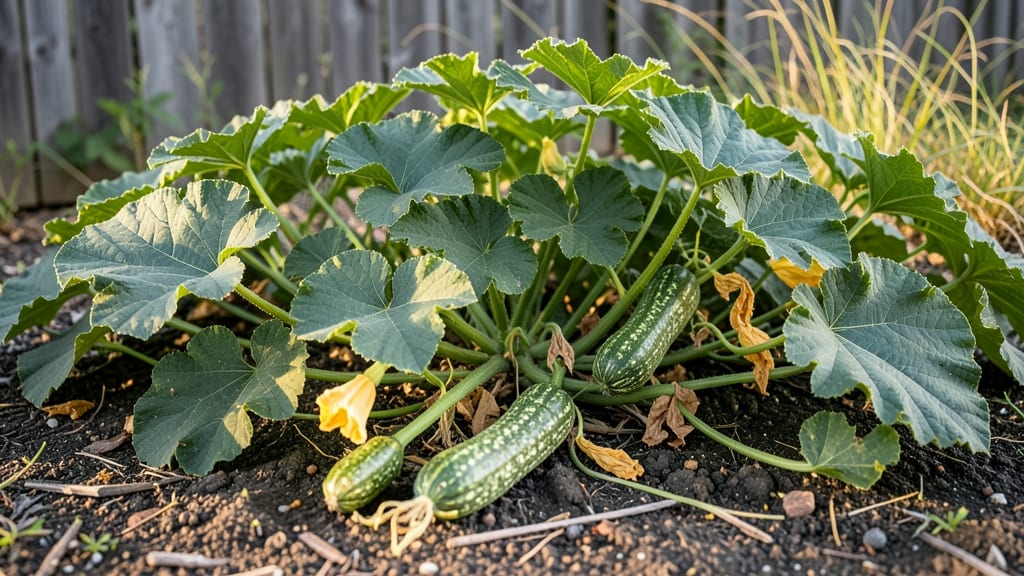
Growing bumpy green squash in shady spots feels like cheating the system—these cold-resistant varieties thrive where others fail. 🌱 I’ve grown them in partial shade for years, and the key is choosing the right seed, prepping the soil just right, and giving them consistent care.
The bumps aren’t just for looks; they’re a sign of healthy, disease-resistant plants that produce sweet, tender fruits even when temperatures dip. The secret starts with soil: mix in plenty of compost to retain moisture, since these squash hate soggy roots.
Plant seeds after the last frost when soil reaches 55°F, spacing them 2–3 feet apart to give vines room to sprawl. Water deeply once a week, aiming for 1–2 inches of moisture—more often in heat waves, less if rain keeps coming.
The bumps will form as fruits mature, but watch for squash vine borers; handpick eggs early to avoid hollow stems. By mid-summer, you’ll harvest 6–8 inch fruits with that signature bumpy texture—perfect for stir-fries or grilling.
The plants keep producing until frost, and with proper spacing, you’ll avoid the common issue of misshapen fruits crowding for space. Even in partial shade, these squash deliver abundant harvests with minimal fuss. Works for containers too—just use 5-gallon pots and trellis vines to save space.
Here’s how to troubleshoot uneven growth or pests before they ruin your crop.
Why it happens
If your squash is sporting an unexpectedly bumpy or warty green exterior instead of the smooth, glossy surface you expected, don’t panic—it’s not always a sign of failure. Several natural and environmental factors can influence squash skin texture.
Understanding these causes can help you adjust your growing conditions or even embrace the unique character of your harvest. Let’s break down the science behind those pesky bumps.
Not all squash are created equal! Some varieties—especially heirloom or cold-hardy types—are genetically predisposed to develop rough, bumpy, or ribbed skin. This trait is often a desirable feature for certain cultivars, like Cocozelle or Turkish Filbert squash, which are prized for their textured, flavorful skin.
If you’re growing a bumpy green squash variety intentionally, those lumps are simply part of its charm.
Actionable tip: Check seed packets or plant descriptions for keywords like "ribbed," "warted," or "textured." If you love the look, lean into it—these squash often have better flavor and longer shelf lives!
Squash plants are sensitive to extreme temperature swings, especially during flowering and fruit development. When nights are too cool (below 55°F/13°C) or days are too hot (above 90°F/32°C), the plant’s growth hormones get thrown off balance. This stress can trigger abnormal cell division in the rind, leading to:
- Lumpy or knobby skin (from uneven growth spurts)
- Deformed shapes (misshapen fruits)
- Thicker, tougher skin (a defensive response)
Scientific deep dive: Squash rely on gibberellins (growth hormones) to maintain smooth skin. When stressed, these hormones become erratic, causing localized overgrowth in certain areas—hence the bumps! 🔬
How to fix it:
- ✅ Use row covers or cloche tunnels to protect young plants from cold snaps.
- ✅ Provide even watering (1–1.5 inches per week) to reduce heat stress.
- ✅ Plant in partial shade during peak summer if your climate is scorching.
Water is the lifeblood of squash, but improper hydration can turn your smooth-skinned dreams into a bumpy reality. Here’s how:
| Issue | Effect on Skin | |
|---|---|---|
| Underwatering | Thick, leathery skin with deep grooves or wart-like bumps | The plant conserves moisture by overproducing cellulose in the rind, creating a tough, uneven surface. |
| Overwatering | Soft, spongy bumps or blistered patches | Excess water dilutes nutrients, causing uneven cell expansion and weak spots that bulge outward. |
| Inconsistent watering | Patchy texture (smooth in some areas, bumpy in others) | Fluctuating moisture triggers stress hormones that disrupt skin development. |
Pro tip: 💡 Drip irrigation or soaker hoses deliver water directly to roots, keeping soil moisture consistent and reducing skin irregularities.
While pests rarely cause intentional bumps, their physical damage or pathogen introduction can lead to textured skin. Common culprits include:
- Squash bugs or cucumber beetles: Their feeding scars can scar the rind as it grows, leaving permanent bumps.
- Powdery mildew (Podosphaera xanthii): Fungal infections cause rough, crusty patches that harden into bumps.
- Viral infections (e.g., Zucchini Yellow Mosaic Virus): Can distort fruit shape and skin texture.
Prevention is key:
- 🛡️ Use floating row covers early in the season to block pests.
- 🌿 Apply neem oil or baking soda spray (1 tbsp baking soda + 1 quart water) for mildew.
- 🔍 Remove and destroy damaged leaves to prevent spread.
Squash are heavy feeders, and a deficiency or excess of certain nutrients can lead to bumpy skin. The most critical offenders:
- Calcium deficiency (blossom end rot’s sneaky cousin): Causes pitted, dimpled skin due to weak cell walls.
- Nitrogen excess: Leads to soft, spongy bumps as the plant prioritizes leaf growth over fruit structure.
- Boron deficiency: Results in cracked or lumpy rinds because boron is essential for cell wall formation.
Soil test first! 📊 If your soil is lacking, amend with:
- 🥚 Crushed eggshells (for calcium)
- 🌱 Composted manure (balanced nutrients)
- 💧 Epsom salt (1 tbsp/gallon of water, foliar spray for magnesium)
Fixing your bumpy green harvest
If your once-smooth squash now sports an uneven, bumpy texture, don’t toss it just yet! These irregularities often stem from common growing conditions, but with the right adjustments, you can turn your garden’s "oops" into a triumph.
Below, we’ll tackle the most frequent causes—from environmental stressors to soil quirks—and provide practical, step-by-step fixes to restore your squash’s sleek, store-bought appeal. Plus, we’ll share prevention tips to keep future harvests flawless.
Cause: When squash vines compete for sunlight, nutrients, and space, they prioritize survival over smooth growth, leading to lumpy, uneven skin.
How to Fix It: 🔥 🌿 Thinning Time Prune or thin out excess vines to give each plant 12–18 inches of space (for bush varieties) or 3–5 feet (for vining types). Use clean, sharp shears to avoid damaging the plant.
🍳 🌱 Boost Soil Nutrition Amend the soil with compost or aged manure to improve nutrient uptake. A balanced fertilizer (like 10-10-10) applied at planting and mid-season can also help.
👨🍳 💧 Water Deeply, Not Often Instead of frequent shallow watering, give plants 1–2 inches of water per week, focusing on the roots. This encourages stronger growth and reduces stress.
Cause: Squash craves 6–8 hours of sunlight daily. Too little leads to weak, lumpy growth, while scorching afternoon sun can cause uneven ripening.
How to Fix It: 🔥 🌞 Adjust Plant Placement Move containers or relocate seedlings to a sunnier spot if possible. If shade is unavoidable, opt for cold-resistant varieties like ‘Black Beauty’ or ‘Green Tint’ zucchini, which tolerate partial shade better.
🍳 🌿 Use Row Covers or Shade Cloth For hot climates, drape lightweight shade cloth (30–50%) over plants during peak sun hours. In cool climates, a floating row cover can extend the growing season without overheating.
👨🍳 🌱 Mulch Like a Pro Apply 2–3 inches of straw or wood chips around the base to regulate soil temperature. This keeps roots cool in summer and warm in spring.
Cause: Inconsistent watering causes blossom-end rot (a common squash enemy) or cracked, bumpy skin as the fruit grows erratically.
How to Fix It: 🔥 💧 Establish a Watering Routine Water early in the morning to reduce evaporation and fungal risks. Use a soaker hose or drip irrigation to deliver water directly to the roots.
🍳 🌱 Improve Drainage If your soil is heavy clay, mix in sand or perlite to prevent waterlogging. Raised beds or containers with drainage holes can also help.
👨🍳 🌿 Monitor Soil Moisture Stick your finger 1–2 inches into the soil—if it’s dry, water deeply. If it’s soggy, hold off until it dries slightly.
Cause: Squash are sensitive to temperature drops below 50°F (10°C) or heatwaves above 90°F (32°C), which disrupts pollination and leads to deformed fruit.
How to Fix It: 🔥 🌡️ Protect from Extreme Temps Use cloches or cold frames in early spring or shade cloth in summer. If frost is forecast, cover plants with frost blankets.
🍳 🐝 Hand-Pollinate for Perfect Fruit If bees are scarce, gently transfer pollen with a small brush or cotton swab from male (long-stemmed) to female (tiny squash at the base) flowers.
👨🍳 🌿 Choose Heat-Tolerant Varieties Opt for ‘Eight Ball’ zucchini or ‘Gold Rush’ acorn squash, which handle heat better than standard types.
Cause: Squash thrive in slightly acidic to neutral soil (pH 6.0–7.0). Off-balance pH or excess nitrogen (from over-fertilizing) can lead to bumpy, misshapen growth.
How to Fix It: 🔥 📊 Test Your Soil Use a home soil test kit to check pH. Adjust with lime (to raise pH) or sulfur (to lower pH) as needed.
🍳 🌱 Balance Your Fertilizer Avoid high-nitrogen fertilizers (like lawn food). Instead, use a low-nitrogen, high-phosphorus option (like 5-10-10) to encourage fruiting.
👨🍳 💡 Pro Tip: Compost Tea Boost Brew compost tea (steep compost in water for 24–48 hours) and use it as a foliar spray to add micronutrients without overfeeding.
Cause: Squash bugs, powdery mildew, or viral infections can distort growth, leading to bumps, scarring, or uneven surfaces.
How to Fix It: 🔥 🐜 Inspect Daily Check undersides of leaves for eggs or pests. Remove them by hand or blast off with a strong spray of water.
🍳 🌿 Prevent Fungal Spread Apply neem oil or copper fungicide preventatively. Space plants 3 feet apart for airflow.
👨🍳 🌱 Rotate Crops Avoid planting squash in the same spot yearly. Crop rotation every 2–3 years reduces disease buildup.
Once you’ve fixed the issue, lock in success with these habits: ✨ Start with healthy seeds – Choose certified disease-free seeds from reputable suppliers. ✨ Plant at the right time – Wait until soil temps reach 60°F (15°C) for optimal growth. ✨ Harvest promptly – Pick squash when firm and fully colored to prevent overgrowth and bumps. ✨ Store properly – Keep harvested squash in a cool, dry place (50–55°F / 10–13°C) to maintain texture.
With these fixes, your bumpy green squash will soon be sleek, uniform, and ready for the kitchen! Whether you’re dealing with crowded vines, sunburn, or soil struggles, small adjustments can make a big difference. Happy gardening! 🥒✨
Frequently asked questions
Is bumpy green squash safe to eat even if it looks rough?
The bumps are completely safe and often indicate a healthy, flavorful squash. Many heirloom varieties like 'Crookneck' or 'Turkish Filbert' develop these textures naturally. The skin is edible and adds interesting texture to dishes—just wash thoroughly before cooking.
Why does my squash have bumps when the seed packet said it would be smooth?
Environmental factors like temperature swings, inconsistent watering, or nutrient imbalances can trigger bumpy growth. For example, nights below 55°F or days above 90°F disrupt hormone balance. Check your soil pH (ideal: 6.0-7.0) and water consistently—1-2 inches per week—to prevent stress-related bumps.
Can I grow bumpy green squash in containers?
Yes! Choose compact varieties like 'Eight Ball' zucchini and use 5-gallon containers with drainage holes. Place in full sun and trellis vines to save space. Just ensure the pot stays moist (not soggy) and fertilize lightly every 2-3 weeks with balanced fertilizer.
How do I tell if bumps are normal or caused by pests?
Normal bumps appear uniform and develop gradually. Pest-related bumps often have ragged edges or holes from feeding damage. Check leaf undersides for squash bugs or cucumber beetles. If you see these, handpick pests or apply neem oil spray to prevent further damage.
When should I harvest bumpy green squash for best flavor?
Harvest when fruits reach 6-8 inches and feel firm to the touch. For best flavor, pick in the morning when sugars are highest. Use a sharp knife to avoid damaging the vine, and leave ½ inch of stem attached to preserve freshness.