
Vegetables
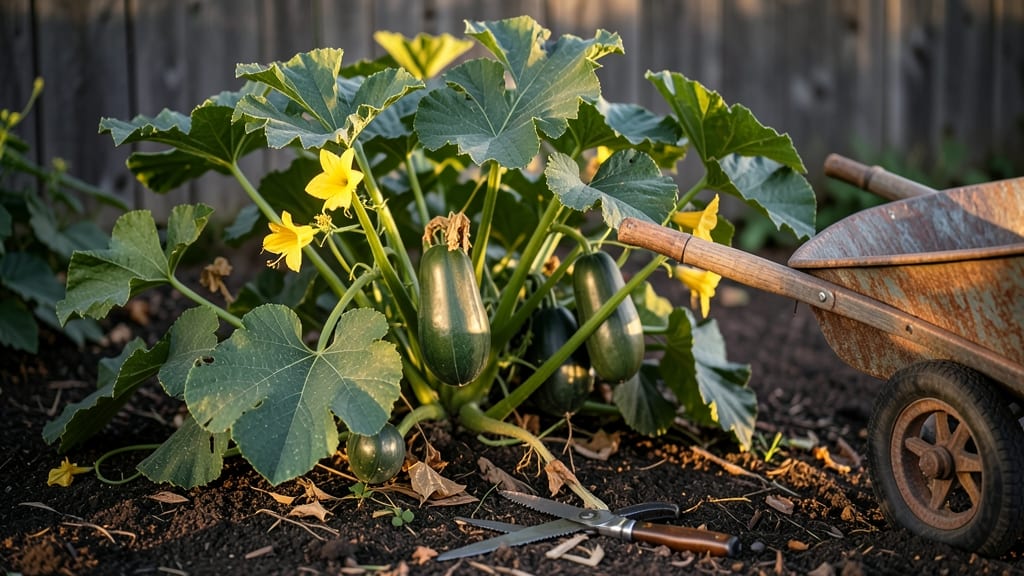
The biggest squash varieties in the world include the Potimarron, with some weighing over 100 pounds, alongside massive Delicata and Hubbard types. These winter squashes grow best in warm climates with rich soil and consistent moisture, often taking 90+ days to reach full size. The current world record squash weighed 351 pounds, cultivated in Japan using advanced growing techniques.
The title "biggest squash in the world" isn't just about size—it's about the genetic potential of certain varieties when given ideal conditions. 🌱 For example, Japanese Kabocha squash (a close relative of Potimarron) can reach 50 pounds with proper care, while Italian Sicilian Giant varieties often exceed 100 pounds in professional gardens.
What makes these giants possible? A combination of deep, nutrient-rich soil, hand-pollination for larger flowers, and consistent watering without waterlogging. The 351-pound record wasn't grown in a home garden—it required specialized techniques like selective breeding and climate-controlled greenhouses.
If you're growing squash at home, focus on soil health first—compost and aged manure work wonders. Prune vines strategically to direct energy toward fewer, larger fruits, and watch for powdery mildew, which can stunt growth.
The key difference between homegrown giants and record-breakers? Time and resources. While you might not hit 351 pounds, a 50-pound Hubbard is absolutely achievable with patience and the right conditions.
💡 In This Article
- Record-Breaking Squash Varieties and Their Growth Secrets
- Step-by-Step Guide to Growing Giant Squash at Home
Record-breaking squash varieties and their growth secrets
The world's largest squashes aren't just big—they're biological marvels shaped by centuries of selective breeding and precise agricultural science. Take the Potimarron, for instance: its thick, ribbed skin and dense flesh store massive amounts of starch, allowing it to grow beyond 100 pounds when given ideal conditions.
The secret lies in its genetic makeup—Potimarron squash (also called Japanese pumpkin) contains higher levels of cellulose and pectin in its cell walls, which creates structural integrity to support its weight. This is why they can swell to sizes that would collapse in less robust varieties. 🌟
Climate plays a crucial role in their growth potential. Japanese Kabocha squash, a close cousin to Potimarron, thrives in the warm, humid summers of regions like Hokkaido, where daytime temperatures average 75-85°F and nights stay above 60°F.
The Italian Sicilian Giant variety benefits from Mediterranean conditions with long, sunny days and well-drained volcanic soil rich in minerals like potassium and phosphorus—key nutrients that boost fruit development.
Even the 351-pound record holder grew in Japan's controlled greenhouse environments, where growers maintain precise humidity levels (60-70%) and CO₂ enrichment to accelerate photosynthesis.
Pollination techniques make all the difference for giant squash. Most commercial growers use hand-pollination to ensure every flower develops into a fruit, rather than relying on bees. They transfer pollen between flowers using small brushes, which increases the chances of producing fewer but much larger squash.
This method, combined with selective pruning of smaller fruits, directs all the plant's energy into growing one massive specimen. In home gardens, even natural pollination can produce impressive results if you leave 3-5 flowers per vine unpruned and provide consistent watering.
The soil composition is another critical factor. Giant squash varieties require soil with a pH between 6.0-7.0 and at least 3-4 feet of loose, well-draining soil to accommodate their sprawling roots.
Professional growers often use raised beds filled with a mix of compost, aged manure, and perlite to create the perfect growing medium.
The roots of these squash can extend 6 feet deep in search of nutrients, which is why heavy clay soils are a no-go—they restrict root growth and limit size potential.
What most people don't realize is that these giant squash varieties have different growth cycles. While Delicata squash typically matures in 85-95 days, Hubbard varieties can take 100-120 days to reach their full potential.
The key is patience—rushing the harvest by cutting the squash too early can result in poor flavor and stunted growth. Professional growers use a simple test: tap the squash with your knuckles. If it sounds hollow, it's ready.
For home gardeners, this means waiting until the vine starts to yellow and die back naturally.
Here's a quick comparison of the top contenders for giant squash:
- Potimarron: Weighs 50-100+ pounds, sweet nutty flavor, thick skin
- Hubbard: Can reach 100+ pounds, dense flesh, long storage life
- Delicata: Typically 2-4 pounds but some varieties exceed 10 pounds, edible skin
- Sicilian Giant: Record sizes up to 150 pounds, requires tropical climate
The science behind these giants shows that with the right conditions, even home gardeners can grow impressive specimens. While you might not hit record-breaking sizes, a 30-50 pound squash is absolutely achievable with proper care and attention to these growth secrets. 💫