
Pests
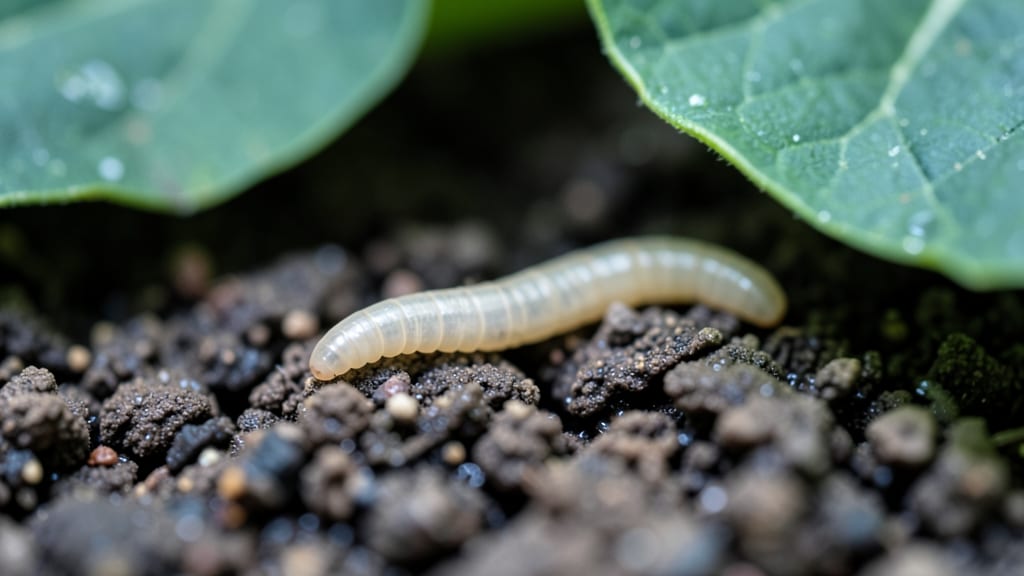
When squash vine borer turns your zucchini plants into skeleton leaves overnight, beneficial nematodes offer a chemical-free solution that actually works. 🌱 I've watched these microscopic predators devour borer larvae in my own garden, saving entire crops when sprays failed.
The key isn't just applying them—it's timing the release right and creating the perfect conditions for them to thrive.
These tiny worms seek out borer larvae in the soil, injecting bacteria that paralyze and kill them within 48 hours. Most gardeners assume nematodes are complicated, but the process is simpler than mixing a spray: water the soil first, apply at dusk, and let nature do the rest.
You'll see fewer wilting vines and more productive plants within 1-2 weeks of proper application. The best part? They target only borer larvae, leaving bees, ladybugs, and other beneficial insects unharmed.
What you end up with is a squash patch that stays healthy through the hottest months, free from the telltale sawdust-like frass that signals borer damage. The plants grow stronger, produce more fruit, and you avoid the chemical residues that can linger in your harvest.
This method works equally well in backyard gardens, raised beds, and even container plantings.
Here's the thing—nematodes need moisture to move through the soil, so consistent watering is just as important as the application itself. I'll show you exactly how to time it, what dosages to use, and how to combine this with other organic controls for maximum protection.
No more losing your entire crop to these sneaky pests.
Root Causes of Vine Borer Attacks
Squash vine borers (Melittia cucurbitae) don’t just appear out of nowhere—they’re drawn to specific conditions that make your squash, pumpkins, and zucchini plants prime targets. Understanding these triggers is the first step to outsmarting them. Let’s break down the real culprits behind these destructive pests.
Healthy plants have natural defenses, but when they’re struggling, they become easy pickings for vine borers. Here’s why stress makes them vulnerable:
- Nutrient Deficiencies: Plants lacking nitrogen, phosphorus, or potassium grow slowly and develop thin stems—perfect hiding spots for borer larvae. Think of it like a weak fence: easy to chew through.
- Overcrowding: When vines compete for sunlight and water, they produce tender, soft stems that borers adore. Proper spacing (3–4 feet apart) reduces stress and makes plants tougher.
- Water Stress: Too much or too little water weakens plants. Overwatering creates soggy soil (ideal for borer eggs to hatch), while drought stress makes stems brittle and easier to penetrate.
- Poor Soil Drainage: Waterlogged soil suffocates roots, making plants more susceptible to borer attacks because they’re already fighting for survival.
Pro Tip: 💡 Conduct a simple soil test before planting. Amend soil with compost or organic matter to boost plant resilience. A strong plant is less likely to attract borers!
Vine borers thrive in warm, humid environments—the same conditions that often suit squash plants. Here’s how climate plays a role:
- Warm Nights (Above 70°F): Borer moths are most active when nighttime temperatures stay warm. They lay eggs on leaves, and larvae burrow into stems within days.
- High Humidity: Moisture helps borer eggs hatch faster and keeps larvae hydrated as they tunnel through stems. Think of it like a spa day for pests!
- Long Growing Seasons: In regions with extended summers (like the Southeast U.S.), borers have more time to reproduce and attack multiple generations of crops.
Actionable Fix: 🌡️ If possible, time plantings to avoid peak borer activity (late spring to early summer). Use row covers during egg-laying season to block moths.
Borer attacks follow a predictable pattern tied to their life stages. Here’s how it unfolds:
| Stage | When It Happens | Why It’s Dangerous |
|---|---|---|
| Egg Laying | Late spring to early summer (when squash flowers) | Females lay eggs on leaf undersides—larvae hatch in 5–7 days. |
| Larval Entry | Within 1–2 weeks of hatching | Larvae chew into stems, creating entry points for disease. |
| Pupation & Emergence | Late summer (pupae overwinter in soil) | Adult moths emerge in spring, restarting the cycle. |
Key Insight: ✨ The first 30 days of plant growth are critical—this is when borers strike hardest. Monitor plants closely during this window!
Squash vine borers specialize in cucurbits—meaning they only attack plants like squash, pumpkins, cucumbers, and melons. Here’s how their habitat choices work:
- Monoculture Plantings: Growing the same crops year after year in the same spot builds up borer populations in the soil. They recognize familiar hosts and return.
- Nearby Wild Hosts: Weeds like buffalo gourd or feral pumpkins can harbor borers, which then migrate to your garden.
- Late Succession Plantings: If you plant squash after early-season crops (like beans or peas), borers may already be present in the soil from previous infestations.
Solution: 🔄 Rotate crops annually and avoid planting cucurbits in the same spot for at least 3 years. Trap crops (like sacrificial zucchini plants) can also lure borers away from your main harvest.
Now that you know the “why” behind borer attacks, the next step is learning how to disrupt their cycle—starting with beneficial nematodes as a smarter, chemical-free solution.
Practical Fixes for Squash Vine Borer
Squash vine borer infestations can feel like a losing battle, but with the right strategies, you can reclaim your garden—without relying on harsh chemicals. Below are targeted solutions based on the root causes of the problem, from early prevention to biological control.
Let’s tackle this pest head-on with easy, effective methods that work for home gardeners and small-scale farmers alike.
Prevention is your first line of defense. Squash vine borers thrive in warm, moist soil with vulnerable young plants. Break the cycle with these proactive steps:
- 🌱 Choose Resistant Varieties Opt for squash, pumpkin, or gourd varieties bred to resist borers, such as:
- ‘Butternut Wax’ (butternut squash)
- ‘Table Queen’ (acorn squash)
- ‘Cocozelle’ (zucchini) Pro tip: 💡 Check seed packets for “borer-resistant” labels—it’s worth the extra effort!
- 🗓️ Time Your Planting Borers emerge in late spring to early summer, so delay planting until mid-to-late June in most climates. This shifts their life cycle just enough to miss the peak damage window.
- 🌿 Rotate Crops Religiously Avoid planting squash, cucumbers, or melons in the same spot for 3+ years. Borers overwinter in soil, so rotation starves them out.
- 🛡️ Protect Young Plants Use row covers (floating fabric) over seedlings until they’re 3–4 weeks old and borers are active. Secure edges tightly to block adult moths.
If borers slip through prevention, act fast before they tunnel deep. Here’s how to physically remove them:
- 👨🍳 Inspect Plants Weekly Check the base of stems and undersides of leaves for:
- Sawdust-like frass (borer poop) near the stem.
- Wilting or yellowing vines (a sign of tunneling).
- Small holes where adults emerged.
- 🔪 Cut Out Infested Stems If you spot frass or wilting, slice open the stem with sterilized scissors.
Look for: - White, legless larvae (1–1.5 inches long). - Brown, papery cocoons (overwintering stage). Action step: 🔪 Snip the stem 1–2 inches below the damage, then drop the infested section in soapy water to kill larvae. Dispose of it—do not compost!
- 🌡️ Solarize Soil (For Severe Cases) In hot, dry climates, use black plastic sheeting to smother overwintering pupae: 1. Lay plastic over bare soil in late spring (before planting). 2. Weigh down edges with rocks.
- Leave for 4–6 weeks to bake pupae at 100°F+. Warning: ⚠️ Only do this before planting season—it kills all soil life, so save it for problem areas.
When prevention fails, harness nature’s pest police. These low-impact, effective methods outperform chemicals:
- 🐛 Beneficial Nematodes (The Game-Changer) Steinernema carpocapsae and Heterorhabditis bacteriophora nematodes seek out and kill borer larvae in the soil. - When to apply: Early evening (they’re light-sensitive) during active borer season (June–August). - How to apply: 1.
Mix 1–2 lbs per 1,000 sq ft with water (follow product instructions). 2. Water soil deeply before and after application. 3. Reapply every 2–3 weeks during peak borer activity. - Pro tip: ✨ Pair with row covers for the first 2 weeks post-application to boost survival rates.
- 🐝 Encourage Natural Predators
- Parasitic wasps (like Microplitis croceipes) lay eggs inside borer larvae. Plant dill, fennel, or cilantro nearby to attract them.
- Ground beetles & spiders eat borer eggs. Reduce synthetic pesticides to keep these helpers around.
- 🍄 Fungal Sprays (For Organic Growers) Beauveria bassiana (a natural fungus) can infect borer larvae when sprayed directly on stems.
- Best time: Early morning or evening (avoid direct sun).
- Reapply every 7–10 days during outbreaks.
If your plants are already compromised, try these damage control tactics:
- 🌿 Collar Method for Young Plants Wrap the base of stems with aluminum foil or cardboard collars (4–6 inches tall) to block adult moths from laying eggs. Remove after 6–8 weeks.
- 💧 Drench with Neem Oil (Disrupts Life Cycle) Mix 1 tsp neem oil + 1 tsp mild soap per gallon of water and spray foliage and soil. This repels adult moths and weakens larvae.
- Caution: ⚠️ Avoid spraying directly on flowers (can harm pollinators).
- 🌱 Replace Heavily Damaged Plants If a vine is past saving, pull it and destroy it (don’t compost!). Replace with a healthy transplant and monitor closely.
To keep borers at bay year-round, adopt these habits: - 🌿 Mulch with Straw or Grass Clippings – 3–4 inches deep to disrupt moths’ ability to lay eggs. - 🚫 Avoid Overwatering at Soil Level – Borers love wet soil.
Water early morning to let foliage dry. - 🧹 Clean Up Debris – Remove old vine remnants, fallen leaves, and plant residue in fall to starve overwintering pupae. - 📅 Plant Trap Crops – Grow squash or cucumbers nearby but separate to lure borers away from your main crop.
Final Thought: 🌱 With a mix of prevention, manual checks, and biological controls, you can outsmart squash vine borers—no chemicals required. Start with one or two methods this season, then expand based on what works best in your garden. Happy growing!
Frequently asked questions
How quickly do beneficial nematodes kill squash vine borer larvae?
Once they find a borer larva, nematodes typically kill it within 24-48 hours by injecting bacteria that paralyze and digest the pest from the inside out. The key is ensuring proper moisture—nematodes need damp soil to move effectively. You'll start seeing reduced wilting in 1-2 weeks of consistent applications.
Can I use beneficial nematodes if my soil is very dry?
No, nematodes require moist soil to survive and hunt. Before applying, water your garden thoroughly until the soil is damp 6-8 inches deep. For sandy soils, you may need to water 2-3 times per week to maintain proper moisture levels. Apply nematodes in the evening when conditions are cooler and more humid.
Will beneficial nematodes harm my other garden plants or beneficial insects?
Not at all! These microscopic predators target only specific soil-dwelling larvae like squash vine borers, cutworms, and grubs. They won't harm earthworms, bees, ladybugs, or other beneficial insects. The bacteria they carry is harmless to plants, humans, and pets. In fact, they're considered one of the safest organic pest control methods available.
How often should I reapply nematodes during the growing season?
For maximum protection, reapply every 2-3 weeks during peak borer season (typically June through August). Since nematodes have a limited lifespan (about 2-3 weeks in optimal conditions), regular applications ensure continuous protection. Start treatments when you first see borer activity and continue until harvest or first frost.
Can I mix beneficial nematodes with other organic pest controls?
Yes, but with caution. You can safely combine them with neem oil, BT (Bacillus thuringiensis), or compost tea. However, avoid mixing with chemical pesticides or copper-based fungicides, as these can kill nematodes. For best results, apply nematodes in the evening and other treatments in the morning when soil temperatures are cooler.