
Vegetables
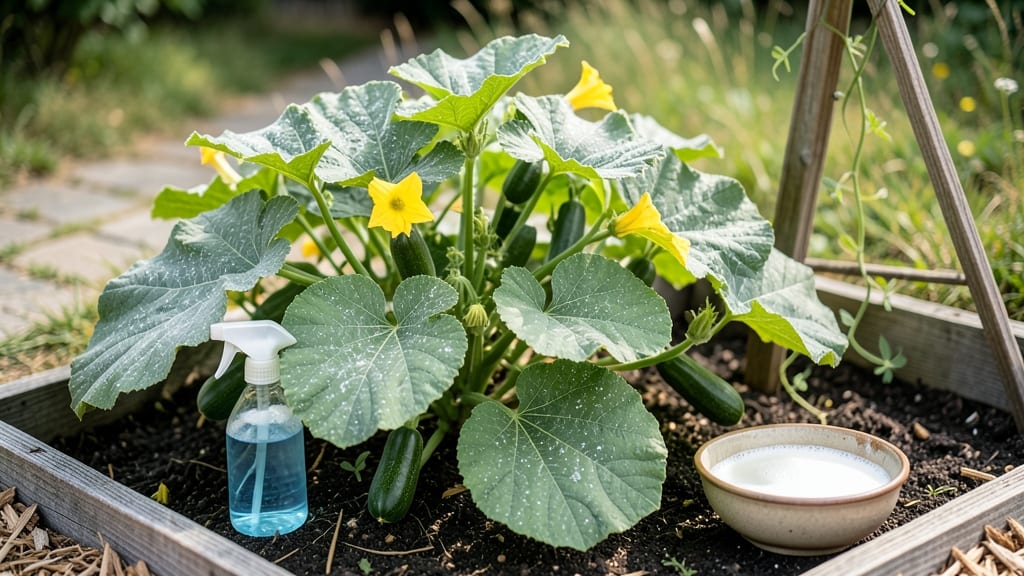
That white dust on your squash leaves isn't just unsightly—it's powdery mildew, and baking soda can stop it in its tracks. 🌱 I've saved countless plants from this fungal foe using a simple spray that works in minutes, no harsh chemicals required.
The key is timing and technique, not just mixing ingredients.
Most gardeners panic when they spot powdery mildew because it spreads fast, but this solution is beginner-friendly. You'll need just three household items: baking soda, dish soap, and water. The spray disrupts the fungus's life cycle while keeping your plants safe to harvest.
My squash plants recover within 3-5 days of consistent treatment, and the blooms stay healthy for pollinators.
What you'll achieve is mildew-free foliage that stays lush and green, with no residue on edible parts. The spray works best when applied early morning or late afternoon to avoid burning leaves in direct sun. Just don't spray flowers directly—wait until they open fully to protect pollinators.
If mildew keeps returning, it's a sign your plants need better airflow or less overhead watering. Pair this spray with proper spacing and watering habits, and you'll break the cycle for good. The results speak for themselves—stronger vines, more squash, and fewer fungal battles next season.
The Hidden Triggers Behind Mildew
Powdery mildew on squash isn’t just a random nuisance—it’s a fungal party crashers 🎭 that thrives when conditions align perfectly for its growth. Understanding the why behind this pesky problem is the first step to stopping it in its tracks.
Let’s break down the science and environmental factors that turn your squash patch into a mildew buffet.
Powdery mildew loves moisture—but not the kind that soaks the leaves. This fungus thrives in high humidity (70-90%) combined with dry leaf surfaces. Here’s how it works:
- Morning Dew & Evening Dampness: Dew or overhead watering leaves tiny water droplets on leaves. While the fungus itself needs dry conditions to spread, these droplets create the perfect incubator for spores to germinate overnight.
- Poor Air Circulation: Dense squash vines or crowded plants trap humidity near the foliage. Stagnant, moist air gives the fungus a 24/7 spa day—ideal for rapid spore production.
- Greenhouse Effect: Plastic mulch or thick mulch layers can trap heat and moisture, mimicking a fungal sauna. Even well-drained soil can contribute if the air above the plants is clammy.
💡 Pro Tip: Aim for 60% or lower humidity around your squash. Use a hygrometer to monitor levels, and water early in the day so leaves dry quickly.
The fungus Erysiphe cichoracearum (the culprit behind powdery mildew) is a persistent squatter. It doesn’t need to reinvent the wheel—it just waits for the right moment to strike:
- Windborne Hitchhikers: Spores travel on breezes from infected plants (even weeds or nearby gardens). A single gust can rain down millions of spores on your squash in minutes.
- Survival Mode: Mildew spores can linger dormant on dead plant debris, soil, or even garden tools for years. That’s why old mulch or compost piles are ticking time bombs.
- No Soil Needed: Unlike root rot, powdery mildew doesn’t require soil. It attacks above-ground, making it harder to control with soil amendments alone.
✨ Actionable Insight: Start the season by removing all plant debris from last year’s garden. Sterilize tools with a 10% bleach solution (1 part bleach to 9 parts water) to zap lingering spores.
Not all squash are created equal when it comes to mildew resistance. Some varieties scream “easy target” to fungi, while others shrug it off:
- Susceptible Varieties: Butternut, zucchini, and hubbard squash are top picks for mildew because their soft, hairy leaves trap moisture and spores. Hybrid varieties like ‘Defender’ or ‘Rumputan’ are bred for resistance—worth the upgrade!
- Stress = Open Invitation: Squash under stress (from nutrient deficiencies, drought, or extreme heat) produce weakened leaves that can’t fight off infections. Think of it like a run-down immune system.
- Nitrogen Deficiency: Yellowing leaves (a sign of low nitrogen) make plants more vulnerable because they can’t produce enough cutin (a waxy leaf coating that repels fungi).
🌡️ Climate Control Tip: If your area has hot, humid summers, choose resistant varieties and mulch with straw (not plastic) to keep soil temps stable. Avoid over-fertilizing with nitrogen—balance is key!
This is the #1 mistake gardeners make—watering from above turns your squash into a fungal magnet. Here’s the science:
- Spores + Water = Sticky Situation: When water droplets splash onto leaves, they carry spores directly onto the plant surface. The fungus doesn’t even need to “jump”—it gets a free ride.
- Wet Leaves = 24-Hour Buffet: Leaves stay damp for hours, giving spores prime real estate to germinate. The fungus prefers dry conditions to spread, but it needs moisture to start.
- Fungal “Highways”:strong> Water droplets can also connect spores to healthy leaves, creating a bridge for rapid infection.
💦 Watering Hack: Switch to drip irrigation or soaker hoses to keep leaves dry. If you must hand-water, aim for the soil and water early morning so leaves dry by noon.
Now that you know the real villains behind powdery mildew, you’re armed to starve out the fungus before it takes over. Next up: how baking soda flips the script on this fungal takeover. 🚀
Quick Fixes for Powdery Mildew on Squash
Powdery mildew might feel like a losing battle, but with the right approach, you can banish it fast—especially with a simple baking soda spray. Below are targeted solutions based on the root causes (humidity, poor airflow, or overcrowding) and prevention tips to keep your squash thriving.
Powdery mildew thrives on weak spots, so act fast before it spreads. Here’s how to use baking soda as a natural fungicide that’s safe for edible plants:
🔥 Step 1: Gather Your Supplies
You’ll need just four ingredients:
- 1 teaspoon baking soda (the hero ingredient!)
- 1 quart (32 oz) water (room temperature)
- 1 tablespoon vegetable oil or dish soap (helps the mix stick)
- 1 teaspoon horticultural oil or lemon juice (optional, boosts effectiveness)
🍳 Step 2: Mix the Spray
In a clean spray bottle, combine:
- Water + baking soda → Stir until dissolved.
- Add oil/soapy liquid → Shake well (this helps the solution adhere to leaves).
- Optional: Add lemon juice (for extra antifungal power).
✨ Pro Tip: Test on a small leaf first—some plants (like cucumbers) are sensitive to baking soda.
👨🍳 Step 3: Apply Correctly
- Spray undersides of leaves (mildew loves hiding there!).
- Focus on infected areas but cover the whole plant for prevention.
- Apply in the morning so leaves dry quickly (prevents mildew growth).
- Reapply every 7–10 days until the problem disappears.
💡 Why It Works: Baking soda raises the pH, making it hostile to fungi while being harmless to humans and pets.
Powdery mildew is opportunistic—fix these three key factors to prevent it from coming back:
| Cause | Fix It Like This | Prevention Tip |
|---|---|---|
| High Humidity | Space plants 6–12 inches apart for airflow. Use a fan on low setting. | Water early in the day so leaves dry by evening. |
| Overcrowding | Thin out plants or prune leaves blocking airflow. | Plant squash in full sun (6+ hours/day) to reduce moisture buildup. |
| Poor Airflow | Train vines upward (if bush-type) or stake them to improve circulation. | Avoid mulching too close to stems (keeps soil damp). |
🎯 Bonus: Copper-based sprays (like copper fungicide) can also work, but baking soda is cheaper and gentler.
If mildew has taken over a leaf, don’t waste time spraying—snip it off with clean pruners. This:
- Stops the fungus from spreading.
- Redirects plant energy to healthy growth.
- Prevents the disease from weakening your squash.
⚠️ Warning: Sterilize pruners with rubbing alcohol between cuts to avoid cross-contamination.
Check these boxes to keep powdery mildew away for good:
- Rotate crops yearly (don’t plant squash in the same spot).
- Choose resistant varieties (e.g., ‘Butternut’ or ‘Acorn’ squash tolerate mildew better).
- Water at the base (never overhead) to keep leaves dry.
- Harvest promptly—ripe squash is less stressed and more resilient.
Remember: Baking soda is your first line of defense, but prevention is the real game-changer. With these steps, your squash will stay powdery-mildew-free and ready for harvest! 🎉
Frequently asked questions
Can I use baking soda spray on all types of squash?
Yes, but with caution! The baking soda solution works on most squash varieties like zucchini, butternut, and acorn squash. However, some delicate varieties (like pattypan squash) may react to the baking soda's alkalinity. Always test the spray on a small leaf first and avoid spraying directly on flowers to protect pollinators.
How often should I apply the baking soda spray?
Apply the spray every 7-10 days until the mildew disappears, then use it as a preventative treatment every 2-3 weeks during humid weather. Consistency is key—mildew can return quickly if you stop treatment too soon. Always spray in the morning so leaves have time to dry.
Will baking soda spray harm beneficial insects?
When used correctly, it's generally safe! The baking soda solution is non-toxic to bees and ladybugs, but avoid spraying directly on flowers when they're in bloom. For extra safety, apply treatments in the early morning when pollinators are less active, and always rinse off any residue before harvesting edible parts.
What if the mildew keeps coming back after treatment?
Persistent mildew usually means your plants need better airflow or less overhead watering. Try spacing plants 6-12 inches apart, pruning crowded foliage, and switching to drip irrigation. If the problem continues, consider adding 1 teaspoon of horticultural oil to your baking soda mix for stronger antifungal properties.
Can I use this spray on other vegetables besides squash?
This same baking soda solution works well on cucumbers, melons, and even roses. Just remember to test on a small area first—some plants (like tomatoes) are more sensitive. The key is using it preventatively before mildew appears, as treatment is always more effective than cure.