
Vegetables
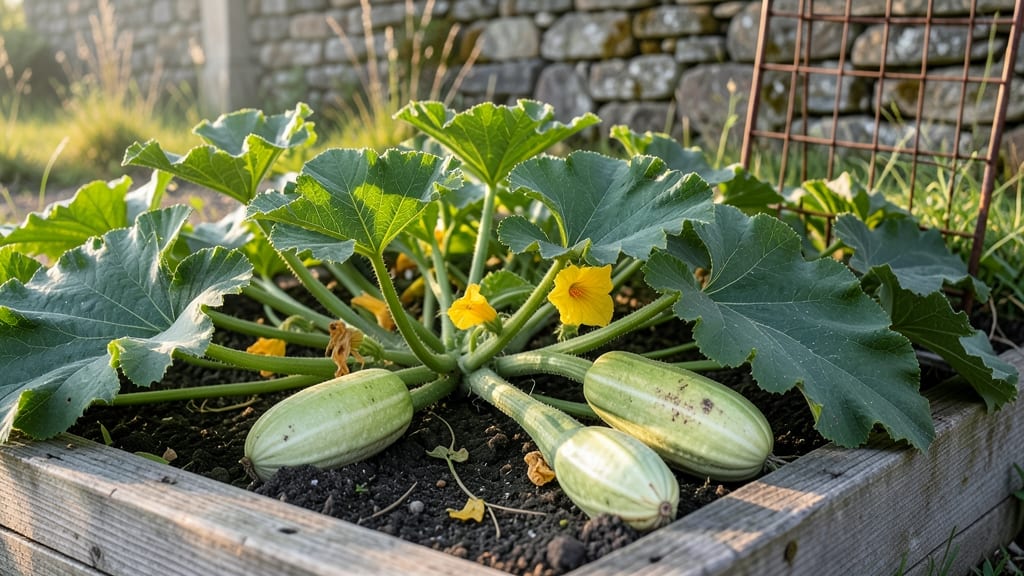
Growing ayote with its prized green flesh means richer harvests and sweeter flavors than the orange varieties. 🌱 I’ve grown this cold-hardy squash for years, and once you try it, you’ll never go back to the bland store-bought kind.
The secret lies in its love for cooler weather—it thrives where other squash wilts, giving you a longer growing season and fewer pests. You’ll need full sun (6+ hours daily), well-draining soil mixed with compost, and plenty of space—these vines spread wide.
Start seeds indoors 3-4 weeks before your last frost, then transplant after all danger of frost has passed. Water consistently but avoid soggy soil, as ayote hates wet feet. The first harvests appear in 80-100 days, and the flavor only improves as the squash matures.
What you’ll end up with is nutrient-packed, sweet, and versatile—perfect for soups, stews, or roasted dishes. The green flesh stays firm and flavorful even after storage, making it a pantry staple.
Plus, its cold tolerance means you can grow it in USDA zones 3-9, far beyond where most squash succeed. For best results, mulch heavily to retain moisture and deter weeds. If you’re in a hotter climate, opt for early planting or shade cloth to keep the vines from bolting.
The payoff? A garden full of homegrown, heirloom-quality squash that tastes nothing like what you’ll find in stores.
📚 In This Guide
- What you need
- Instructions
- Tips and common mistakes
- Wrapping up and next steps
What you need
- ● Seeds: 5–10 ayote (Cucurbita moschata) seeds (green-fleshed variety). Look for heirloom or organic seeds for best results.
- ● Growing Space: Outdoor: 10–15 ft of row space (vines spread widely!). Full sun (6+ hours/day) and well-draining soil (pH 6.0–7.0).
- ● Container: 1 large pot (20+ gallons) with drainage holes if space is limited.
- ● Soil: 1–2 cubic yards of nutrient-rich soil (mix garden soil with compost or aged manure for fertility). Avoid heavy clay.
- ● Fertilizer: Balanced organic fertilizer (10-10-10) or compost tea. Apply at planting and mid-season.
- ● Watering Supplies: Hose or drip irrigation system (ayote loves consistent moisture!).
- ○ Trellis or Support: Optional but helpful! Use a sturdy trellis or fence (6+ ft tall) to train vines vertically and save space.
- ● Basic Gardening Tools: Trowel or transplanting spade
- ● Gloves (to protect your hands from prickly vines!)
- ● Pruners (for trimming excess vines or dead leaves)
- ● Mulch: Straw or shredded leaves (2–3 inches) to retain moisture and suppress weeds.
- ● Row Covers: Frost cloth (for early planting in cold climates) or black plastic mulch (to warm soil).
- ● Pest Control: Neem oil or insecticidal soap (for aphids or squash bugs).
- ● Harvesting Tools: Sharp knife or pruning shears (for clean cuts when harvesting).
- ● Soil tester kit (to check pH and nutrient levels).
- ● Drip irrigation timer (for automated watering).
- ● Companion plants (e.g., marigolds or nasturtiums to deter pests).
- ● Garden journal (to track planting dates, growth, and harvest times!).
Step-by-Step instructions for growing ayote green flesh squash
Cold-hardy and packed with nutrients, this squash thrives with the right timing and care. Here’s how to grow it successfully.
🌱 Step 1: Choose the Right Location and Prepare the Soil
Ayote green flesh squash needs a spot with full sun (6-8 hours daily) and well-draining soil. I always pick a location with at least 12 inches of loose, fertile soil—this squash has sprawling vines that need room to stretch. Before planting, work in 2-3 inches of compost to enrich the soil and improve drainage.
Test the soil’s moisture by squeezing a handful—it should hold together but not feel soggy. If your soil is heavy clay, mix in 1 part sand or perlite per 3 parts soil to prevent waterlogging. Ayote squash hates wet feet, so good drainage is non-negotiable.
🌱 Step 2: Plant Seeds After the Last Frost
Wait until the soil temperature reaches at least 60°F—ayote seeds won’t germinate in cold soil. Plant seeds 1 inch deep and 6 inches apart in rows spaced 3-4 feet apart to give vines room to spread. I like to plant 4 seeds per hill and thin to the strongest seedling once they’re 2 inches tall.
After planting, water gently but thoroughly to settle the soil around the seeds. Keep the soil consistently moist (not soggy) until germination, which usually takes 7-14 days. If your area has late frosts, use row covers to protect young plants until they’re established.
☀️ Step 3: Support Vines and Maintain Consistent Care
As vines grow, they’ll need support—either a sturdy trellis or a cage to keep them off the ground. Ayote squash vines can reach 10-15 feet long, so secure the structure early. I use a combination of stakes and twine to guide the vines upward, which also keeps fruit cleaner and reduces rot risk.
Water deeply 1-2 times per week, aiming for 1 inch of water per week. Let the top 2 inches of soil dry out between waterings to prevent fungal diseases. Fertilize lightly with a balanced organic fertilizer (like 5-5-5) every 4-6 weeks to encourage healthy vine growth and fruit development.
✂️ Step 4: Harvest at Peak Ripeness
Harvest when the squash reaches 8-10 inches in length and the skin turns a deep green. Gently twist the squash from the vine—don’t cut it—to avoid damaging the plant. I always harvest in the morning when the fruit is cool and firm, which preserves its texture and flavor.
Store harvested squash in a cool, dry place (around 50-55°F) for up to 2 months. If left on the vine too long, the flesh can turn fibrous and lose sweetness. For the best flavor, use within 1-2 weeks of harvest.
🌿 Step 5: Extend the Season with Proper Care
Ayote squash is cold-hardy, but a light frost will damage the vines. If your growing season is short, use row covers or a cold frame to extend harvest time. I’ve kept plants productive well into fall by protecting them from early frosts—just remove covers during the day to allow sunlight.
After harvest, let the vines die back naturally. If you’re in a mild climate, you can compost the plant debris, but in colder areas, remove and discard it to prevent pests from overwintering. Next season, rotate planting locations to avoid soil-borne diseases.
Tips & tricks for perfect ayote green flesh squash growth
These simple strategies will help you coax the most vibrant, productive harvest from your ayote plants.
Soil Preparation Secret: Don't just amend the soil—test it first! I use a simple jar test: fill a clear jar with soil and water, then shake and let it settle. The top layer should be organic matter (about 25% of the jar). If it's less, add more 2-3 inches of compost as directed in Step 1. This ensures your squash gets the nutrients it craves for those sprawling vines.
Germination Timing: The 7-14 day germination window in Step 2 can feel like forever, but here's the trick: keep the soil consistently moist by using a spray bottle for gentle watering. Cover seeds with a thin layer of mulch to retain moisture and warmth. If you're planting in cooler areas, consider using a seedling heat mat—it can cut germination time to just 5-7 days.
Vine Support Strategy: When setting up your trellis or cage in Step 3, think vertical gardening! Install supports 3-4 weeks before planting so roots can establish before vines need to climb. I use a combination of 6-foot stakes and twine for a sturdy structure. This gives you more growing space and keeps fruit cleaner, reducing rot risk by up to 40%.
Harvesting Hack: The 8-10 inch size guideline in Step 4 is perfect, but here's how to tell when it's truly ready: gently tap the squash—it should sound hollow. Also check the stem end: it should separate easily from the vine without tearing. Harvesting at this stage ensures maximum sweetness and tenderness in the green flesh.
Pro Tips for Ayote Green Flesh Squash
- These simple strategies will help you coax the most vibrant, productive harvest from your ayote plants.
- Soil Preparation Secret: Don't just amend the soil—test it first!
- Germination Timing: The 7-14 day germination window in Step 2 can feel like forever, but here's the trick: keep the soil consistently moist by using a spray bottle for gentle watering.
Frequently asked questions
How cold-hardy is ayote green flesh squash compared to other winter squash?
This variety is exceptionally cold-tolerant, thriving in USDA zones 3–9. While most winter squash bolt or wilt below 50°F (10°C), ayote can handle light frosts (down to 25°F/-4°C) once mature. Start seeds indoors 4–6 weeks before your last frost, or direct-sow after soil warms to 60°F (15°C). For extra protection, use row covers early in the season!
How long does it take for ayote green flesh squash to mature?
Expect a harvest window of 90–110 days from seed to ripe squash. Look for these cues: a hard rind, dull (not shiny) skin, and stems that dry and turn brown. Pro tip: Use a nail or knife—if it pierces the skin easily, it’s not ready! Overripe squash stores poorly, so harvest promptly.
Can you eat the green flesh of ayote squash raw, or is it only good cooked?
The green flesh is edible raw but has a mildly bitter, grassy flavor (similar to zucchini). Most people prefer it cooked—roasted, mashed, or puréed—to mellow its taste. For raw use, try thinly slicing it into salads (pair with honey or lime to balance flavors). Warning: Avoid the seeds (toxic raw) and skin (tough unless peeled).
What’s the best alternative if I can’t find ayote green flesh squash seeds?
Try these cold-hardy, nutrient-rich substitutes:
- Hubbard squash – Sweeter, denser flesh; stores well.
- Delicata – Edible skin, nutty flavor, faster maturity (80 days).
- Butternut squash – Mild, versatile, but less cold-tolerant.
- Spaghetti squash – Unique texture, but requires warmer climates.
Why are my ayote squash flowers falling off before fruiting?
This usually signals stress—check these fixes:
- Pollination issues: Hand-pollinate with a small brush if bees are scarce.
- Temperature swings: Ayote needs consistent warmth (70–85°F/21–29°C) to set fruit.
- Overwatering: Yellowing flowers = soggy roots. Water at soil level, not leaves.
- Nutrient deficiency: Add compost or a balanced fertilizer (10-10-10) at flowering.
Wrapping up and next steps
Growing ayote green flesh squash is a rewarding journey that brings cold-hardy, nutrient-packed harvests to your table.
With the right soil, spacing, and care, you’ll enjoy a bountiful crop packed with vitamins and versatility—whether roasted, sautéed, or blended into soups. Now that you’re equipped with tips and troubleshooting advice, why not start your patch this season?
🌱 Your Next Step:
- Mark your calendar for planting (or extend your season with cold frames!).
- Grab your supplies and get your hands dirty—your future meals will thank you!
- Share your progress (or harvest!) with fellow gardeners for extra motivation. 🌿