
Picking
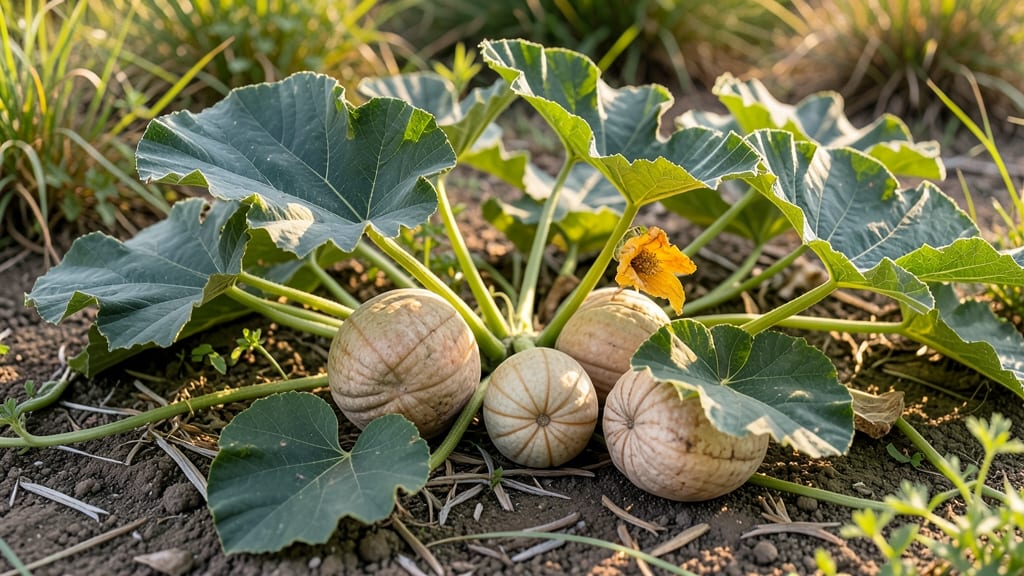
The color of acorn squash changes from deep green to a rich, matte orange-brown when fully ripe, with a hard rind that dimples slightly when pressed. Overripe squash may develop soft spots or a dull, uneven hue, while unripe squash stays pale and firm.
The transformation from green to orange-brown happens as chlorophyll breaks down and caroten pigments develop, signaling peak sweetness. 🌟 A ripe squash should feel heavy for its size and have a firm rind—lightweight or overly soft specimens are usually past their prime.
I always check the stem area for cracks or mold, since these can indicate spoilage before the color changes fully.
Seasonal variations matter too: fall squash tends to have deeper colors than summer varieties, which may still be greenish. Store your squash in a cool, dark place to slow color fading—excessive light exposure can bleach the rind prematurely.
For best results, select squash with even coloring and no bruising, as these signs correlate directly with flavor and texture quality.
💡 In This Article
- How Acorn Squash Color Indicates Ripeness
- Best Practices for Selecting Perfect Acorn Squash
How acorn squash color indicates ripeness
The vibrant color shift in acorn squash happens due to a biochemical process called chlorophyll degradation and carotenoid accumulation. When squash matures, chlorophyll—the green pigment responsible for photosynthesis—breaks down, revealing the underlying orange pigments like beta-carotene.
This transition from green to orange-brown typically occurs when the squash reaches peak sweetness, usually around 80-100 days after flowering. The deeper the orange hue, the more concentrated the natural sugars, which means better flavor and texture.
Light exposure plays a critical role in this transformation. Squash grown in full sunlight develop richer colors because sunlight triggers the breakdown of chlorophyll and enhances carotenoid production. However, excessive light can sometimes cause premature color fading or uneven patches.
The ideal color for ripe acorn squash is a consistent, matte orange-brown—think of a freshly baked pumpkin pie crust rather than the bright orange of a carrot. The rind should also feel firm but yield slightly when pressed with your thumb, indicating proper ripeness.
Texture is just as important as color when assessing ripeness. A ripe acorn squash should feel heavy for its size due to its high water content and dense flesh. The stem should be dry and slightly shriveled, not green or moist.
If the squash feels lightweight or has a hollow sound when tapped, it's likely overripe. Conversely, an unripe squash will have a pale green rind that's hard and doesn't yield at all when pressed.
The color change is your best visual cue, but always combine it with these tactile checks for accuracy.
Seasonal variations also affect color intensity. Fall-harvested squash tend to have deeper, more vibrant hues compared to summer varieties, which may still be greenish. This is because cooler temperatures slow chlorophyll breakdown, allowing carotenoids to develop more fully.
If you're selecting squash out of season, look for even coloring and avoid specimens with green streaks or patches—these indicate immaturity. The color isn't just about appearance; it's a direct reflection of the squash's readiness to eat and its potential flavor profile.
What most people don't realize is that the color change isn't just about ripeness—it's also about nutritional value. The orange pigments in ripe acorn squash are rich in antioxidants like beta-carotene, which convert to vitamin A in the body.
A fully colored squash will have 25-50% more vitamin A than an underripe one. This makes color a reliable indicator not just of taste, but of nutritional quality. The deeper the orange, the more beneficial compounds the squash contains.
One common mistake is assuming that all orange squash are equally ripe. Some varieties may develop orange coloration prematurely due to genetic factors or growing conditions, but their flesh might still be hard and underdeveloped.
To avoid this, always check for the dimpling effect—when you press the rind, it should give slightly and show small indentations. This physical response, combined with the color, gives you the most accurate assessment of true ripeness.