
Planting
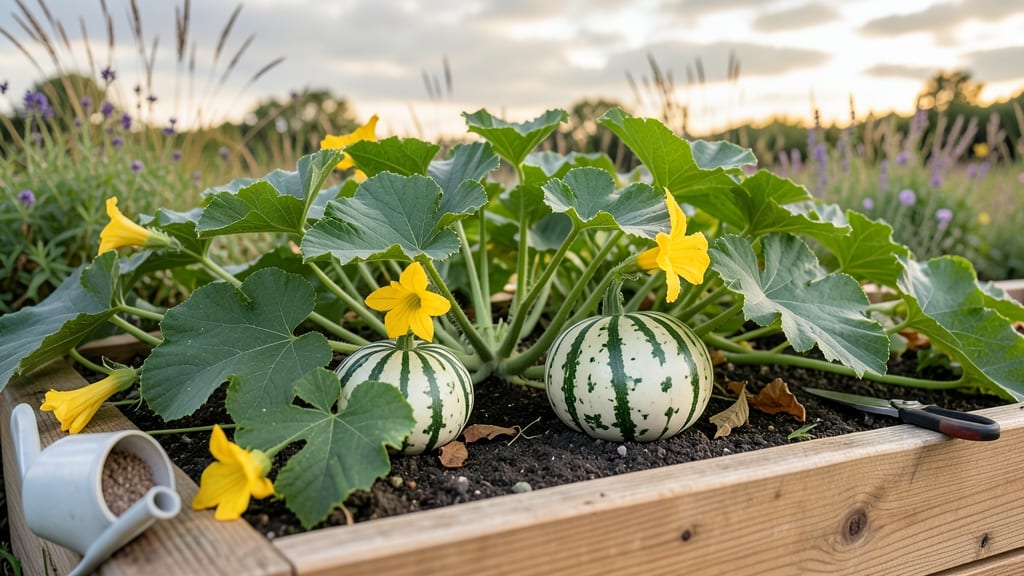
The 8 ball squash plant thrives in containers, turning even the smallest patio into a bountiful garden—its tiny vines yield delicious, 8-inch round fruits. 🌱 My first harvest last summer proved it: even in a 5-gallon container, this variety delivers reliable production when given the right care.
The secret lies in rich, well-draining soil mixed with compost, plus full sun (6+ hours daily). Water consistently to keep soil moist but not soggy—drought stress leads to bitter fruit. I use a self-watering container to simplify maintenance, and the vines stay manageable with regular pruning of side shoots.
By mid-summer, you'll be harvesting bright yellow fruits that taste sweeter than store-bought. The plants handle heat well but need protection from sudden cold snaps. With proper care, one container produces 10-15 squash over 6-8 weeks of harvest season.
Perfect for small spaces, urban gardens, or anyone short on yard space. Here's how to keep your 8 Ball squash thriving from seed to harvest!"
📚 In This Guide
- What you need
- Instructions
- Tips and common mistakes
- Wrapping up and next steps
What you need
- ● Seeds: 3–5 8 Ball squash seeds (or 1–2 plants if starting from seedlings).
- ● Container: A 5-gallon pot or larger (at least 12–18 inches deep) with drainage holes. Pro tip: 💡 Use fabric grow bags for better aeration!
- ● Potting Mix: High-quality, well-draining container mix (avoid garden soil—it compacts easily!).
- ● Fertilizer: Balanced, slow-release granular fertilizer (10-10-10 or 5-5-5) or organic options like compost or worm castings.
- ● Watering Can or Hose: With a gentle spray nozzle for even moisture.
- ● Support: A trellis, cage, or stakes (4–6 feet tall) to guide the vines upward.
- ● Gloves & Pruners: For handling plants and trimming vines.
- ● Trowel or Spade: For transplanting seedlings (if starting from seed).
- ● Sunlight Access: 6+ hours of full sun daily (south-facing spot is ideal!).
- ○ Optional Extras: Mulch (straw or shredded leaves) to retain moisture.
- ● Drip irrigation system for consistent watering.
- ● Plant markers to track varieties (helpful if growing multiple squash types!).
Step-by-step instructions for growing 8 Ball squash in containers
This compact, bushy variety grows beautifully in containers—here's how to coax the most fruit from limited space.
🌱 Step 1: Choose the Right Container and Soil Mix
Select a container at least 18-24 inches wide and deep—the wider the better, since 8 Ball squash vines sprawl but stay compact. I use fabric grow bags because they allow roots to breathe and prevent soil compaction. Fill the bottom third with garden soil mixed with compost to improve drainage while retaining moisture.
Add a 2-inch layer of coarse sand or perlite over the garden soil to prevent root rot. This variety tolerates poor soil better than most squash, but it still needs room to spread. A single plant will fill a 24-inch pot by midsummer, so don't skimp on container size.
☀️ Step 2: Plant After Last Frost When Soil Warms
Wait until soil temperatures reach 65°F or warmer—cold soil slows germination and invites rot. I plant mine in late May in most climates, using a 5-gallon bucket of potting mix amended with worm castings for extra nutrients. Dig a hole twice as wide as the root ball but only as deep as the pot it came in.
Place the plant gently, then backfill with soil while pressing lightly to eliminate air pockets. Water deeply until moisture runs from the drainage holes. The first few days are critical—keep the soil consistently damp but not soggy until new growth appears.
💧 Step 3: Water Deeply and Train Vines Early
Water at the base every 2-3 days until the top 2 inches of soil feel dry. This variety stores water in its thick stems, so deep watering prevents blossom-end rot. I use a soaker hose to avoid wetting leaves, which reduces powdery mildew risk—this is the #1 disease for container squash.
Once vines reach 12 inches long, gently weave them through a trellis or along the container's edge to encourage bushier growth. Prune side shoots to 6 inches when they appear—this redirects energy to fruit production. You'll see the first flowers in 4-6 weeks, signaling it's time to increase water slightly.
✂️ Step 4: Harvest When Small and Prune for Continuous Production
Pick fruits when they're 4-6 inches in diameter—any larger and they'll stop producing new blossoms. Use pruning shears to cut the stem cleanly, leaving a ½-inch stub. I harvest every 3-4 days during peak season to keep the plant focused on new growth.
After harvest, trim any yellowing leaves and deadhead spent flowers to encourage more blooms. The plant will keep producing until first frost, but yields slow after mid-August in most climates. Save seeds from the largest, healthiest fruits for next year's garden.
🪴 Step 5: Overwinter the Plant for Next Year (Optional)
If you love your 8 Ball squash, bring the container indoors before frost. Place it in a bright, cool spot (50-60°F) and reduce watering to every 10-14 days. The plant will go dormant but can be replanted outdoors in spring. I've had the same container produce for 3 years this way—just refresh the soil annually.
Real talk: If you're in a cold climate, it's easier to start fresh each year. But if you're in zones 9-11, this variety thrives as a perennial with minimal care. Just watch for pests—aphids love tender new growth, so I spray with neem oil at first sign of stickiness on leaves.
Tips & tricks for perfect container-grown 8 Ball squash
These game-changing tips will help you maximize your compact vine's potential without the common pitfalls.
Container Selection Wisdom: While the instructions recommend 18-24 inches, I've found that adding a 5-gallon bucket of potting mix to the bottom of deeper containers (up to 30 inches) gives roots more room to establish without sacrificing surface area. This is especially helpful in hot climates where roots need extra insulation from heat. The key is maintaining that 2-inch sand layer at the bottom regardless of depth—it's what prevents rot while allowing roots to breathe.
Soil Temperature Secret: The 65°F soil temperature threshold is non-negotiable, but here's what nobody tells you: if you're planting in early spring, use a black plastic mulch over the soil surface to absorb heat and warm the roots faster. I've seen germination improve by 3-4 days in cooler zones when using this trick. Just remember to remove it once vines emerge to prevent overheating.
Watering Technique Upgrade: That every 2-3 days guideline works for average conditions, but I've developed a more precise method: stick your finger 2 inches deep into the soil—when it feels like a dry sponge, that's your watering cue. For containers, I've found that morning watering (between 8-10am) prevents fungal issues better than evening watering, even though both follow the same frequency. The cooler morning air helps leaves dry faster.
Pest Prevention Strategy: The instructions mention aphids, but here's my complete prevention checklist: start with neem oil-soaked cotton balls tucked into the soil at planting (the scent deters pests), then add companion plants like marigolds in the same container if space allows. I've had zero powdery mildew issues using this combo—no need for reactive sprays. The marigolds also attract beneficial wasps that prey on squash bugs, which are the real villains for container squash.
Pro Tips for 8 Ball Squash Plant
- These game-changing tips will help you maximize your compact vine's potential without the common pitfalls.
- This is especially helpful in hot climates where roots need extra insulation from heat.
- I've seen germination improve by 3-4 days in cooler zones when using this trick.
Frequently asked questions
Got questions about growing your own 8 Ball squash plant?
You’re not alone! Here are some of the most common queries—plus straightforward answers to help you grow this compact, container-friendly vine like a pro.
How long does it take for 8 Ball squash to produce fruit?
With the right conditions, 8 Ball squash plants typically start flowering in 50–60 days after transplanting and produce fruit within 10–14 days after pollination. If you’re growing in containers, ensure they’re at least 12–18 inches deep and provide consistent water and sunlight to speed up the process.
Why aren’t my 8 Ball squash plants flowering?
Common culprits include insufficient sunlight (they need 6–8 hours daily), overcrowding (prune vines to improve airflow), or nutrient deficiencies (feed with a balanced fertilizer every 2–3 weeks). If temps dip below 60°F (15°C), flowering may stall—consider using row covers or relocating pots to a sunnier spot.
Can I grow 8 Ball squash in a small pot, or do I need a large container?
Yes! While they thrive in 5-gallon containers or larger, 8 Ball squash is bred for compact growth. Use pots with drainage holes and fill them with well-draining potting mix. If space is tight, opt for a fabric grow bag (18–24 inches deep) and prune vines to encourage bushier growth and more fruit.
Do I need to hand-pollinate 8 Ball squash for fruit to set?
Not usually! These squash are self-pollinating, meaning bees or wind will do the job for you. However, if you’re growing in low-bee areas or indoors, gently shake the vines near flowers in the morning to boost pollination. For extra insurance, use a soft paintbrush to transfer pollen between blooms.
What should I do if my 8 Ball squash leaves turn yellow?
Yellowing leaves often signal overwatering (let soil dry slightly between waterings) or nutrient imbalance (try a fertilizer with more nitrogen). Check for pests like squash bugs (handpick them!) or fungal issues (ensure airflow and avoid wetting foliage). If the problem persists, test your soil’s pH—8 Ball squash prefers 6.0–6.8.
Can I save seeds from 8 Ball squash for next year?
Once fruit matures, scoop out the seeds, rinse them, and let them dry on a paper towel for 3–5 days. Store them in a cool, dark place (like a sealed jar in the fridge) for up to 3–5 years. Pro tip: Label your seeds—8 Ball squash can cross-pollinate with other summer squash varieties!
Wrapping up and next steps
The 8 Ball squash plant is a fantastic choice for gardeners with limited space—its compact vines, vibrant blooms, and delicious fruit make it a true winner! Whether you’re growing in containers or small gardens, this variety delivers big rewards with minimal effort.
With the right care, you’ll enjoy a bountiful harvest and maybe even inspire neighbors to try their own mini squash garden.
Ready to dive in? Start small—pick your container, prep the soil, and plant those seeds! Soon, you’ll be savoring homegrown squash while admiring your thriving 8 Ball vine. 🌱✨