
Tools
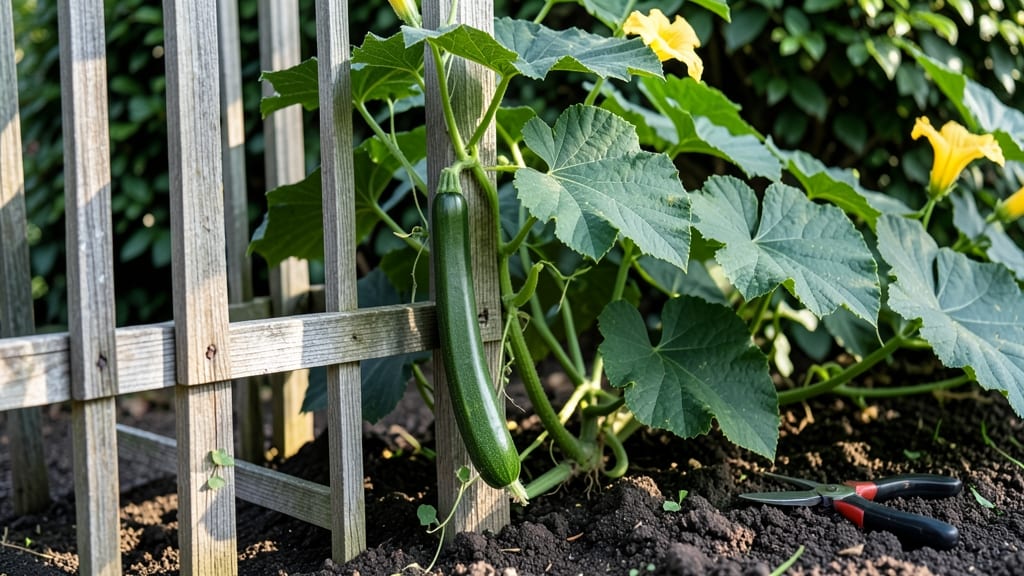
Growing zucchini on a trellis turns sprawling vines into a vertical feast. 🌱 I used to watch my squash take over the garden until I discovered how a simple trellis transforms them into neat, productive climbers—saving space while boosting yields. The difference?
Less disease, easier harvesting, and a garden that actually looks organized. You'll need sturdy materials like bamboo poles, metal cages, or sturdy wooden stakes, plus strong twine or garden netting. Plant your zucchini near the trellis and train the vines upward as they grow.
Prune regularly to encourage upward growth and remove any fruit that forms below the trellis—those won't ripen properly. By midsummer, you'll have a wall of lush green vines producing zucchini right at eye level. The trellis keeps fruits cleaner, reduces soil-borne diseases, and makes picking a breeze.
No more stepping on plants or losing squash in the foliage. Works for any zucchini variety and fits small spaces, balconies, or even containers. Here's how to get started without the usual mess.
📚 In This Guide
- What you need
- Instructions
- Tips and common mistakes
- Wrapping up and next steps
What you need
- ● Trellis Structure: 4–6 wooden posts (4x4 inches, 6–8 feet tall) – or metal T-posts for durability
- ● 2–3 horizontal wooden slats (2x4 inches, 4–6 feet long) – for lattice support
- ● 1 roll of garden twine or twist ties (100+ feet)
- ○ 1 roll of landscape fabric (optional, for weed suppression)
- ● Fasteners: Galvanized screws or nails (2–3 inches long, 10–15 pieces)
- ● Zip ties (20–30 pieces, for securing twine)
- ● Zucchini Plants: 2–4 young zucchini plants (transplants or seeds + biodegradable pots)
- ● 1 bag of compost or well-draining potting mix (for planting)
- ● Drill or hammer (for assembling posts and slats)
- ● Measuring tape
- ● Scissors or pruners (for cutting twine/fabric)
- ● Gloves (to protect your hands from splinters or dirt)
- ● Stakes or mallet (to secure posts into the ground)
- ● PVC pipes or metal cages (for a no-assembly trellis)
- ● Decorative lattice panels (for a polished look)
- ● Drip irrigation kit (to keep plants hydrated effortlessly)
- ● Reflective mulch (to deter pests naturally)
How to build a zucchini trellis for vertical growth
Here’s my go-to method for training zucchini plants upward—saving space while maximizing yields.
🪴 Step 1: Select and Assemble the Trellis Structure
For four plants, I use a 6-foot-tall A-frame trellis made from 2×4 lumber (two vertical posts and two horizontal crossbars). The key is spacing: position the posts 3 feet apart and secure the crossbars 18 inches apart vertically. This creates sturdy rungs for vines to climb while keeping the frame lightweight enough to handle zucchini’s weight.
Drive the posts 12 inches deep into the ground or bury them in concrete footings for stability. If you’re using a pre-made trellis (like a tomato cage or wire mesh), ensure it’s at least 5 feet tall—zucchini vines can reach 10+ feet if given the chance! I always add zip ties or soft garden twine to secure the structure if wind is a concern in your area.
☀️ Step 2: Plant Zucchini Near the Trellis
Sow seeds or transplant zucchini 6 inches from the trellis, ensuring the strongest stem faces the structure. Zucchini plants need full sun (6+ hours daily) and well-draining soil, so amend the area with 2 inches of compost before planting. I plant one seedling per trellis section (for four plants, space trellises 4 feet apart in a row).
Water deeply after planting to settle the soil, and mulch with 2 inches of straw to retain moisture. The goal is to encourage a single, strong vine—remove any suckers or weak stems that form at the base. You’ll know you’re on track when the main stem grows thick and woody within 3-4 weeks.
🌱 Step 3: Train Vines as They Grow
When vines reach 12 inches tall, gently tie the tip to the lowest trellis rung using soft twine or Velcro plant ties. Avoid wire or tight bindings—they can damage delicate stems. As the vine grows, coil it upward around the trellis, securing it every 12-18 inches. Here’s the thing: zucchini vines are heavy, so prune side shoots aggressively to direct energy upward. I snip any growth that isn’t part of the main vine or fruit-bearing branches.
Watch for first female flowers (they’ll have tiny zucchini shapes at their base). These appear 4-6 weeks after planting. Once a flower is pollinated, leave one zucchini per vine (overcrowding stresses the plant). Remove smaller fruits to encourage larger harvests. If vines start to sag under fruit weight, add extra support with twine—but never let the trellis become a hammock for heavy squash.
✂️ Step 4: Maintain and Harvest Strategically
Water at the base of the plant (not the leaves) to prevent fungal diseases, and fertilize with balanced 10-10-10 every 2 weeks once fruits start forming. Zucchini are thirsty—1-1.5 inches of water per week keeps them happy, but never let soil stay soggy. I harvest when squash are 6-8 inches long (smaller zucchini taste sweeter and grow faster). Use a sharp knife or pruners to cut stems, leaving a 1-inch stem attached to the vine.
After harvest, inspect the trellis for pests like cucumber beetles (they love zucchini too). If you spot them, handpick or use neem oil spray. By late summer, you’ll likely see second flushes of flowers—prune old vines back by half to encourage new growth. With proper care, one trellis can yield 20+ pounds of zucchini in a season!
Tips & tricks for perfect zucchini trellis construction
Here's what I learned after years of testing different setups—these tricks make all the difference for sturdy, productive trellises.
The Foundation Factor: When assembling your 6-foot A-frame, use galvanized screws instead of nails for the 2×4 lumber. They won't rust over time, and you can easily adjust the structure if needed. For extra stability, I add diagonal cross-bracing between the posts—this prevents leaning, especially in windy conditions. The 3-foot post spacing and 18-inch rung spacing from Step 1 are perfect, but if you're using a pre-made trellis, check for minimum 5-foot height—zucchini vines will test even the sturdiest structures!
Plant Placement Pro Tip: In Step 2, position your zucchini seedlings 3-4 inches closer to the trellis than the 6-inch recommendation if you're in a particularly windy area. The extra support helps young vines establish themselves before they need to climb. I also recommend planting one extra seedling per trellis—if one fails, you won't have a bare spot. Just be prepared to prune aggressively if two plants start competing.
Vine Training Visual: For Step 3, think of your trellis like a spiral staircase. When securing vines every 12-18 inches, make each loop slightly larger than the last to create upward momentum. I use red garden twine (it's less visible than white) and tie in a simple bow—this prevents the twine from digging into the stem as it thickens. Watch for the vine to develop a thick, woody texture within 3-4 weeks—this is your cue that it's strong enough to support fruit.
Harvest Hack: When harvesting in Step 4, use a small serrated knife instead of pruners to cut stems. The serrations give you more control, especially with larger zucchini. I leave a 1-inch stem attached as instructed, but I also make a small nick in the vine about 6 inches above the fruit—this encourages the plant to focus energy on new growth rather than trying to support the harvested squash.
Pro Tips for Zucchini Squash Trellis
- Here's what I learned after years of testing different setups—these tricks make all the difference for sturdy, productive trellises.
- The Foundation Factor: When assembling your 6-foot A-frame, use galvanized screws instead of nails for the 2×4 lumber.
- Plant Placement Pro Tip: In Step 2, position your zucchini seedlings 3-4 inches closer to the trellis than the 6-inch recommendation if you're in a particularly windy area.
Frequently asked questions
Got questions about growing zucchini squash on a trellis?
You’re not alone! Here are answers to the most common queries to help you maximize your vertical garden and enjoy a thriving harvest.
What’s the best time to start training zucchini on a trellis?
Plant zucchini seeds or seedlings when soil is at least 60°F (15°C) and all frost risk has passed. Start training vines onto the trellis once they’re 4–6 inches tall and have 3–4 true leaves. Early support prevents overcrowding and encourages upward growth.
Can I use any trellis, or are there specific types for zucchini?
Zucchini vines are heavy and sprawling, so opt for sturdy trellises like cattle panels, A-frame structures, or heavy-duty netting (at least 3–4 feet tall). Avoid flimsy options—think durability, not just aesthetics! For large varieties, add crossbars or weave vines through mesh for extra support.
How long does it take for zucchini to climb a trellis?
Zucchini vines grow fast—expect them to reach the top of a 4–5 ft trellis in 3–5 weeks under ideal conditions (warmth, consistent water, and sunlight). Prune aggressively to redirect energy upward, but leave a few leaves at each node to support fruit production.
Will trellising reduce my zucchini yield?
Not if done right! Trellising increases air circulation, reducing disease risk and making fruits easier to harvest. However, prune lower leaves to prevent overcrowding. Some gardeners report similar or even higher yields with trellised zucchini—just ensure vines have enough space to sprawl upward!
What pests should I watch for on trellised zucchini?
Trellising can deter some pests (like squash bugs), but watch for:
- Cucumber beetles: Use row covers early.
- Spider mites: Spray undersides of leaves with water.
- Squash vine borers: Wrap trellis bases with aluminum foil to deter egg-laying.
Wrapping up and next steps
Growing zucchini squash on a trellis isn’t just a clever gardening hack—it’s a game-changer for small spaces and high yields! 🌱 By harnessing vertical space, you’ll save room, reduce disease risk, and enjoy straighter, easier-to-harvest squash.
Whether you’re a seasoned gardener or just starting out, this method makes growing zucchini simple, efficient, and rewarding.
Ready to transform your garden? Start small—pick one trellis design, gather your supplies, and plant those seeds or seedlings this season. Before you know it, you’ll be harvesting bountiful, trellis-trained zucchini like a pro! 🎉