
Picking
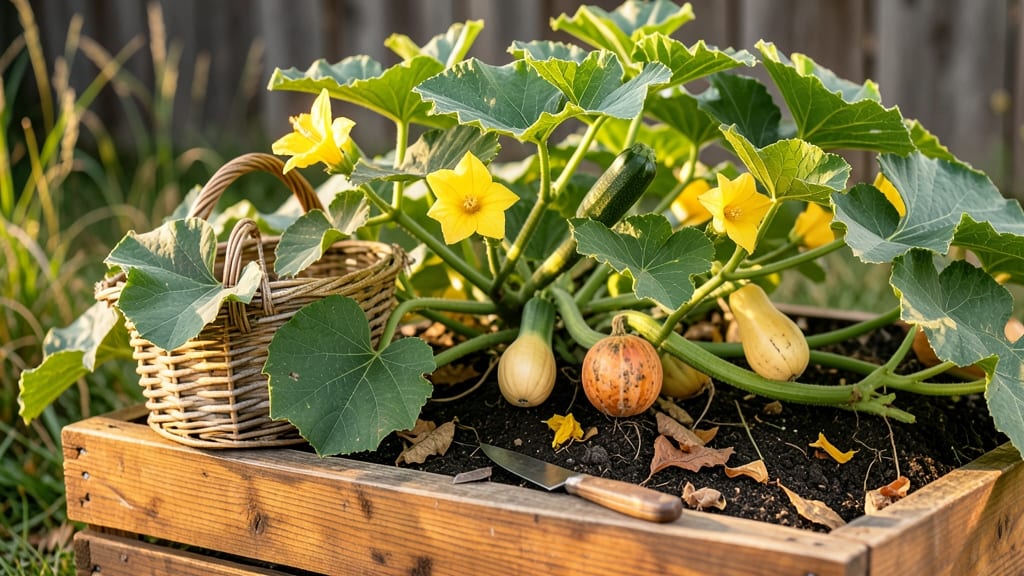
Squash will ripen off the vine only if fully mature when harvested—look for hard rinds, dull stems, and color changes. Once detached, most varieties continue ripening indoors with proper warmth and humidity, though some (like winter squash) need time to fully develop their flavor and texture.
Ripening squash after harvest depends entirely on its biological readiness. 🌱 When you pick squash too early, its flavor and texture won't fully develop, no matter how long you store it.
The key is ethylene gas production, which triggers the conversion of starches to sugars—this process continues after harvest if conditions are right. For summer squash like zucchini, you might see minimal post-harvest ripening, while winter varieties like butternut or acorn can improve significantly with proper curing and storage.
Indoor ripening works best at 60–70°F with moderate humidity—too cold slows the process, while excess moisture can lead to rot. I always recommend storing squash in a dry, well-ventilated spot away from direct sunlight.
For winter squash, a curing period of 7–10 days at 80–85°F with high humidity helps develop that signature sweetness. If your squash feels soft or shows mold, it's past its prime—harvesting at the right moment makes all the difference.
💡 In This Article
- How Squash Ripening Works After Harvest
- Best Practices for Ripening Squash Off the Vine
How squash ripening works after harvest
Squash ripening after harvest is driven by ethylene gas—a natural plant hormone that triggers the breakdown of cell walls and converts starches into sugars. When squash is fully mature at harvest (hard rind, dull stem), it contains high levels of ethylene, which continues working even after detachment.
This process explains why a properly ripened winter squash can develop deeper flavor and sweeter flesh over weeks of storage, unlike summer squash like zucchini which ripen quickly on the vine.
The ideal temperature range for post-harvest ripening is 60–70°F, as cooler conditions (50°F or below) slow ethylene production while excessive heat (> 80°F) accelerates spoilage. Humidity plays a crucial role too—winter squash needs 70–80% humidity during curing, while summer squash thrives in 50–60% humidity to prevent rot.
The science behind this involves enzymatic reactions that break down pectin in cell walls, making the flesh softer and more palatable over time.
What most gardeners don't realize is that squash varieties behave differently after harvest. Zucchini, for example, ripens almost entirely on the vine—its ethylene production peaks within 5–7 days of maturity. In contrast, butternut squash continues developing flavor for 2–4 weeks post-harvest due to its thicker rind and higher starch content.
The key difference lies in their cell structure: winter squash has denser, more rigid cells that take longer to soften and sweeten.
Light exposure also affects ripening—direct sunlight can cause surface scalding, while complete darkness slows ethylene production. That's why I always recommend storing squash in a partially shaded, well-ventilated area.
The ripening process even affects texture: as starches convert to sugars, the flesh becomes denser and less watery, which is why properly cured winter squash holds its shape better when cooked.
For visual cues, look at the stem: a fully mature squash will have a dry, papery stem that easily detaches. The rind should be hard enough to resist gentle thumb pressure—this indicates the cell walls have reached their ideal firmness.
The color change from bright green to more muted tones signals the chlorophyll breakdown, revealing the underlying carotenoids that give squash its characteristic orange or yellow hues.
Here's what's actually happening at the cellular level: ethylene triggers enzymes like pectin methylesterase, which breaks down pectin in the middle lamella (the "glue" between plant cells). This softens the flesh while allowing sugars to develop.
In winter squash, this process continues even after harvest because their thick rinds protect the ethylene-producing tissues longer than summer squash varieties.