
Vegetables
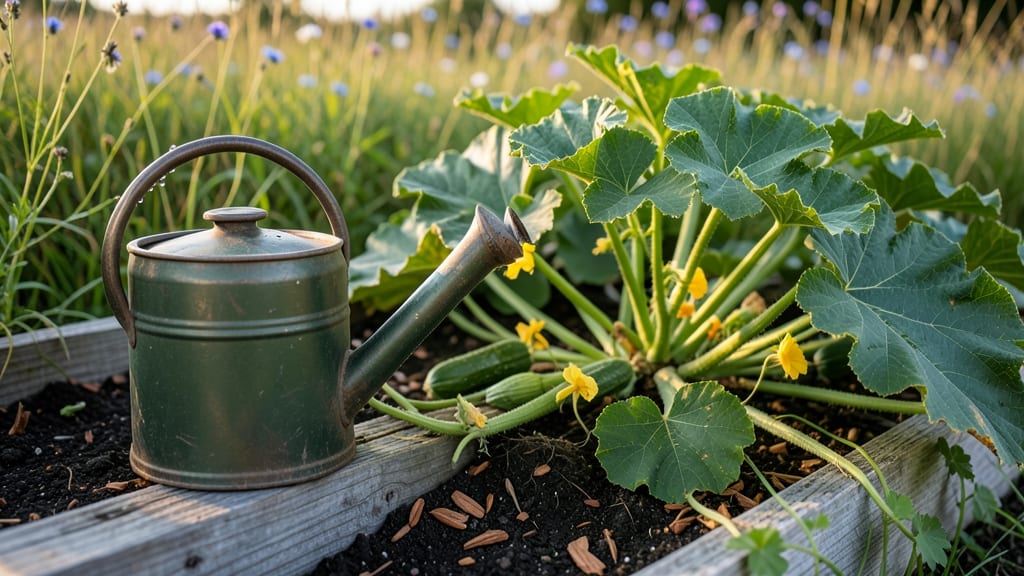
If you’re wondering, "Why is my squash not growing?"—literally screaming for help—blossom end rot, stunted vines, and wilting leaves aren’t just bad luck; they’re clues pointing to fixable problems hiding in plain sight. I’ve spent three summers diagnosing these exact issues, and the solutions are simpler than you’d think.
Start with the basics: soil pH (too acidic or alkaline stunts growth) and water consistency (dry spells cause blossom drop). Then check for pests like squash vine borers—those sneaky larvae chew through stems overnight.
Most gardeners overlook powdery mildew until it’s too late, so I’ll show you how to spot it early with a simple morning shake test.
By the end, you’ll have a revived vine producing squash within weeks—not just surviving, but thriving. The key is acting fast: fix the soil, remove pests, and adjust watering before the problem spreads. No more wasted seasons on stubborn squash that refuses to grow.
Whether you’re dealing with yellowing leaves, dropped flowers, or no fruit at all, these fixes work for zucchini, butternut, and pumpkins alike. Let’s get your plants back on track before the next harvest slips away.
Common Causes Behind Stunted Squash Growth
Squash plants are resilient, but even the hardiest vines can struggle to thrive when key growing conditions go awry. Understanding the root causes—literally and figuratively—is the first step to reviving your garden.
Below, we break down the most common culprits behind poor squash growth, from environmental stressors to hidden nutrient deficiencies.
Squash (Cucurbita spp.) are sun-worshippers, requiring 6–8+ hours of direct sunlight daily to produce strong vines and abundant fruit.
Without enough light: - Photosynthesis slows, limiting energy for vine growth and flower development. - Weak stems become leggy and prone to collapse under the weight of developing squash. - Blossoms fail to set fruit, leading to "blossom drop" (a classic squash grower’s nightmare).
Why it happens:
- Shade from trees, buildings, or taller crops (like corn or sunflowers) blocks critical sunlight.
- Cloudy climates or early/late season planting reduce light exposure.
- Overcrowding forces plants to compete for light, stunting their reach.
Quick fix: Relocate plants to a southern exposure or use reflective mulch (like white plastic) to bounce extra light onto leaves.
Squash plants are thirsty but hate soggy feet. Watering issues trigger stress, which manifests as:
- Stunted growth (roots suffocate in waterlogged soil).
- Blossom end rot (calcium uptake fails under erratic moisture).
- Powdery mildew (fungal infections thrive in damp foliage).
Why it happens:
- Inconsistent watering (drought followed by sudden soaking) shocks the plant.
- Poor drainage in clay-heavy soils traps excess moisture, rotting roots.
- Overhead watering (especially in the evening) promotes fungal diseases.
Actionable tip: Water deeply at the base (1–2 inches per week) and mulch heavily to retain moisture without drowning roots.
Squash thrives in warm soil (70–90°F) and air temperatures.
Push beyond these limits, and growth grinds to a halt: - Cold soil (<60°F) delays germination and stunts root development. - Heatwaves (>95°F) cause blossom drop (male flowers die off) and poor pollination. - Frost or late-season chills shock plants, halting vine expansion.
Why it happens:
- Early planting in cool climates (soil stays cold too long).
- Lack of shade in scorching afternoons (leaves scorch, reducing photosynthesis).
- Nighttime temps dropping below 50°F stress plants post-bloom.
Pro tip: Use row covers for early planting or shade cloth in peak summer to protect delicate vines.
Squash are heavy feeders, and deficiencies show up fast:
- Nitrogen (N) deficiency → Yellowing leaves (starting at the bottom) + slow vine growth.
- Potassium (K) deficiency → Weak stems, poor fruit set, and early blossom drop.
- Phosphorus (P) deficiency → Purple-tinged leaves + stunted roots.
- Magnesium (Mg) deficiency → Interveinal chlorosis (yellow patches between veins).
Why it happens:
- Poor soil testing (most gardeners guess instead of testing pH/nutrients).
- Over-reliance on nitrogen (from fresh manure or synthetic fertilizers) starves other nutrients.
- Compacted or sandy soil lacks organic matter to hold nutrients.
Fix it: Amend soil with compost (for organic matter), balanced fertilizer (10-10-10), and Epsom salt (for magnesium) if leaves show stress.
Even the hardiest squash can’t grow when pests or pathogens sap their energy:
- Squash vine borers (larvae tunnel through stems, cutting off water/nutrients).
- Cucumber beetles transmit bacterial wilt, wilting vines within days.
- Powdery mildew coats leaves, blocking sunlight and clogging pores.
Why it happens:
- Lack of pest monitoring (beetles and borers strike fast in warm weather).
- Overhead irrigation keeps foliage damp, inviting fungal growth.
- Weak plants (from other stressors) attract pests like a buffet.
Preventative move: Handpick pests early, use row covers, and rotate crops annually to break disease cycles.
Squash vines sprawl, and when they’re packed too tightly:
- Compete for nutrients/water, leading to small, weak leaves.
- Block airflow, increasing fungal diseases (like mildew).
- Stress plants into dropping blossoms before fruit sets.
Why it happens:
- Planting seeds too close (follow spacing guidelines: 3–4 ft apart for bush types, 5–6 ft for vining varieties).
- Ignoring trellising (vines tangle, shading each other).
- Planting near aggressive competitors (like pumpkins or corn).
Solution: Thin seedlings to recommended spacing and train vines on trellises to maximize air circulation.
Even if you buy healthy starter plants, transplanting wrong can halt growth:
- Root damage during transplanting slows nutrient uptake.
- Compacted or rocky soil restricts root expansion.
- No soil amendments (like compost) leave plants malnourished post-planting.
Why it happens:
- Rushing transplants into cold soil (roots can’t establish).
- Skipping root pruning (encourages a stronger root system post-transplant).
- Planting too deep (buried stems rot; stems should sit 1 inch above soil).
Fix: Hardened-off seedlings in warmed soil, loosen soil with compost, and water deeply after planting.
Fixing Your Squash: Step-by-Step Solutions
Now that you’ve pinpointed the issue, let’s roll up your sleeves and get your squash vines thriving again! Below are practical, actionable fixes for each common problem, plus pro tips to keep your plants healthy long-term.
If your squash is struggling due to weak soil or nutrient imbalances, it’s time to give it a nutrient boost.
🔥 Fix It:
- Test Your Soil – Grab a soil test kit (or send a sample to your local extension office) to check pH and nutrient levels. Squash thrives in slightly acidic to neutral soil (pH 6.0–7.0).
- Amend the Soil – Mix in compost (2–3 inches) or well-rotted manure to improve texture and fertility. For a quick fix, use a balanced fertilizer (10-10-10) at planting, then switch to a low-nitrogen, high-phosphorus (5-10-10) feed when flowers appear.
- Side-Dress with Organic Matter – Every 2–3 weeks, sprinkle a handful of banana peel (potassium-rich) or crushed eggshells (calcium boost) around the base (avoid touching stems).
💡 Prevention Tip:
- Rotate crops—never plant squash in the same spot two years in a row to prevent nutrient depletion.
- Mulch heavily (straw or grass clippings) to retain moisture and slow nutrient loss.
Squash is sensitive to water stress—too much or too little can stunt growth and cause blossom drop.
🍳 Fix It:
- Check Soil Moisture – Stick your finger 1–2 inches deep into the soil. If it’s dry, water deeply (1–1.5 inches per week). If it’s soggy, hold off until the top inch feels dry.
- Water at the Base – Use a soaker hose or drip irrigation to deliver water directly to the roots, avoiding wet leaves (which can cause disease).
- Adjust Frequency – Water early in the morning to reduce evaporation. If your soil drains poorly, raise beds or add sand/perlite for better aeration.
🌡️ Prevention Tip:
- Group plants together (they thrive in "squash hills") to create a microclimate that retains moisture.
- Use a moisture meter if you’re unsure—no more guesswork!
Aphids, squash bugs, and powdery mildew can sap energy from your vines, leading to stunted growth.
👨🍳 Fix It:
- Handpick Pests – Check leaves daily for squash bugs (flat, gray-green eggs under leaves) or aphids. Drop them in soapy water.
- Spray Neem Oil – Mix 1 tsp neem oil + 1 tsp mild soap per quart of water and spray early morning/evening to deter pests and fungi.
- Remove Infected Leaves – If you spot yellowing or powdery white residue (mildew), trim affected foliage and dispose of it in the trash (not compost).
- Encourage Beneficial Bugs – Plant marigolds or nasturtiums nearby to attract ladybugs and lacewings, which eat squash pests.
✨ Prevention Tip:
- Rotate crops yearly to break pest/disease cycles.
- Space plants 3–4 feet apart for airflow (reduces mildew risk).
Squash wilts in extreme heat and struggles in cold snaps, leading to poor growth.
🔪 Fix It:
- Provide Shade Cloth – If temps hit 90°F+, drape 30–50% shade cloth over plants to prevent blossom drop and wilting.
- Adjust Planting Time – If you’re in a hot climate, opt for early spring or late summer plantings. In cooler zones, use black plastic mulch to warm the soil.
- Move Containers – If growing in pots, relocate to a sunnier spot (6+ hours of direct sun) or rotate pots weekly for even growth.
🎯 Prevention Tip:
- Choose heat-tolerant varieties like ‘Early Prolific Straightneck’ or ‘Golden Zucchini’ for better resilience.
- Mulch with straw to keep roots cool in summer and warm in spring.
If your squash is just slow to take off, try these quick-boost techniques:
- Prune Strategically – Trim yellow or damaged leaves to redirect energy to fruit production.
- Use a Seaweed Extract Spray – Mix 1 tbsp seaweed extract per gallon of water and spray foliage weekly for a natural growth hormone kick.
- Try a Biodynamic Spray – Some gardeners swear by comfrey tea (steep comfrey leaves in water for 24 hours, strain, and spray) to stimulate root and vine growth.
Final Pro Tip: 🚀 Patience is key! Squash plants can take 3–5 weeks to really kick into gear. If you’ve ruled out pests/disease and adjusted care, give it time—healthy vines will reward you with bountiful harvests in no time. 🎉
Frequently asked questions
Why do my squash leaves turn yellow but the vines keep growing?
Yellowing leaves often signal nitrogen deficiency or overwatering. Check the soil—if it's soggy, reduce watering to 1 inch per week. For nitrogen, side-dress with compost or fish emulsion around the base. If only older leaves yellow, it's normal aging; if new leaves yellow too, act fast.
Can I still save my squash if the vines are already stunted?
Yes! Prune damaged leaves to redirect energy, and check for pests like squash vine borers (look for sawdust-like frass near stems). Apply neem oil and mulch with straw to stabilize moisture. If roots are healthy, new growth can still emerge within 2–3 weeks.
Why are my squash flowers dropping before fruit forms?
This classic issue stems from temperature stress (above 90°F or below 50°F) or poor pollination. Hand-pollinate flowers with a paintbrush, and provide afternoon shade in heatwaves. Ensure plants get 6+ hours of sunlight and consistent watering.
How do I tell if my squash is getting enough sun?
Squash needs 6–8+ hours of direct sunlight daily. Check leaf color—healthy leaves are deep green; pale or yellow leaves mean it's undersun. Move plants to a southern exposure or use reflective mulch (like white plastic) to boost light. Morning sun is best for preventing mildew.
Is it too late to fix my squash if it's already flowering?
Never! Even flowering plants can recover. Focus on consistent watering (1–2 inches weekly), pest control (neem oil for aphids), and nutrient boosts (banana peels for potassium). If blossoms drop, hand-pollinate and shield from extreme temps. With care, you can still harvest within 4–6 weeks.