
Vegetables
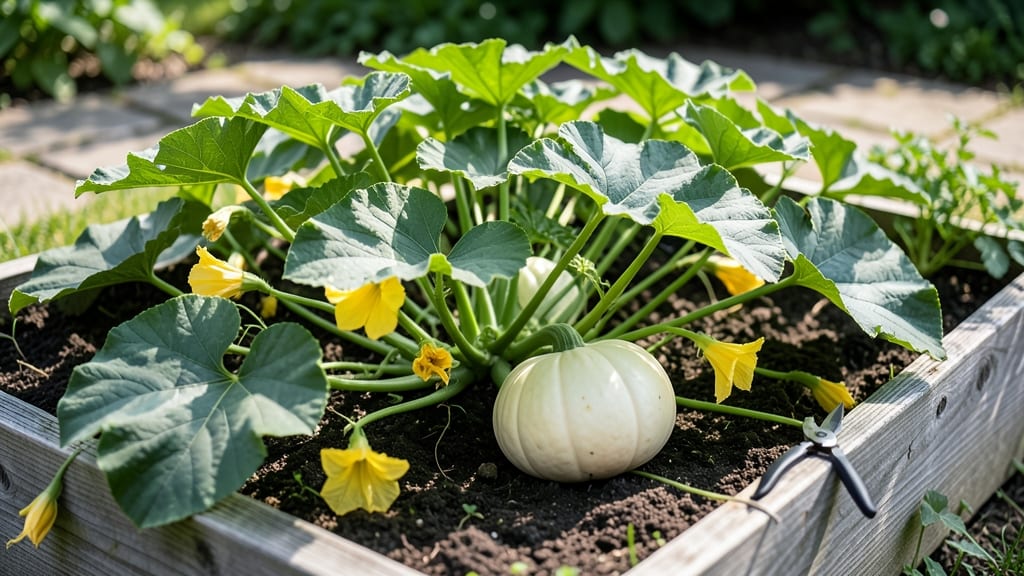
Growing White Swan squash under trees just might be the easiest harvest you'll ever have. 🌱 This cold-hardy variety thrives where others fail, producing sweet, nutty acorn squash even in partial shade—perfect for gardeners with tricky spaces or cooler climates.
The secret? Planting in well-draining soil with a thick mulch layer to retain moisture and regulate temperature. With 30-40 inches of water weekly and spacing about 3 feet apart, these bushy plants spread like a living blanket under trees, outcompeting weeds while producing 5-8 squash per plant by fall.
📚 In This Guide
- What you need
- Instructions
- Tips and common mistakes
- Wrapping up and next steps
What you need
- ● Seeds: 3–5 White Swan squash seeds (or 1–2 plants if buying seedlings).
- ● Growing Space: Full sun (6+ hours/day).
- ● Well-draining soil (pH 6.0–7.0).
- ● Space: 3–4 feet between plants (or 6+ feet for vines if trellising).
- ○ Soil Amendments (optional but helpful): Compost (1–2 gallons per plant).
- ● Balanced fertilizer (10-10-10, 1 tbsp per plant at planting).
- ● Tools: Garden trowel or transplanter.
- ● Pruners (for trimming vines if needed).
- ○ Trellis or sturdy stakes (optional, for vertical growth).
- ● Hardiness: Cold-tolerant (survives light frosts; ideal for USDA Zones 3–9).
- ● Last Frost: Plant after soil reaches 50°F (10°C)—or start indoors 3–4 weeks early.
- ● Watering: 1–2 inches per week (drip irrigation or soaker hoses work best).
- ○ Mulch (optional): Straw or shredded leaves to retain moisture and suppress weeds.
Step-by-Step instructions for planting White Swan squash under trees
This cold-hardy squash thrives where others fail—here's how to coax abundant harvests from shady spots.
🌱 Step 1: Prepare the Planting Site
White Swan squash tolerates partial shade but still needs well-draining soil. Clear debris from the planting area under your tree, then loosen the top 12 inches of soil with a broadfork or tiller. This improves root penetration and prevents waterlogging, which squash roots despise.
Amend the soil with 2-3 inches of compost mixed into the top 6 inches. The tree's root competition means your squash will rely on nutrients more than sunlight, so don't skimp. Test the pH—aim for 6.0-6.8. If your soil runs acidic, add dolomitic lime at planting time.
☀️ Step 2: Choose Planting Location and Timing
Position your squash 10-15 feet from tree trunks to avoid root competition while still benefiting from dappled shade. Plant after the last frost when soil reaches 60°F—White Swan germinates best in warm conditions. If your spring stays cool, use black plastic mulch to warm the soil 2-3 weeks before planting.
This variety handles cooler temperatures than most squash, but don't rush. Wait until nighttime temps stay above 50°F consistently. You'll see faster germination if you soak seeds overnight in lukewarm water—just don't let them dry out during planting.
🌿 Step 3: Plant Seeds Properly for Strong Starts
Dig holes 1 inch deep and 6 inches apart in rows spaced 3 feet apart. Plant 3 seeds per hill—you'll thin later. Press seeds gently into the soil (don't bury deeper) and cover with a thin layer of fine compost. Water gently until the soil surface looks uniformly moist but not saturated.
Here's the thing—White Swan squash vines spread aggressively. To save space, plant a few hills and let the vines sprawl between them. If your tree creates a natural border, train vines along the trunk (they'll climb naturally) to maximize yield in limited space.
💧 Step 4: Water and Mulch for Consistent Moisture
Water deeply 1 inch per week—more during flowering and fruiting. Use drip irrigation or soaker hoses to deliver water at the base without wetting leaves, which prevents powdery mildew. You'll know moisture is right when the soil feels damp 2 inches down but not soggy.
Apply 3-4 inches of straw mulch immediately after planting. This conserves moisture, suppresses weeds, and keeps soil temps stable. Refresh the mulch every 4-6 weeks as it breaks down. Avoid wood chips—they tie up nitrogen as they decompose, starving your squash.
✂️ Step 5: Maintain and Harvest for Maximum Yield
Thin seedlings to 1-2 strongest plants per hill when they reach 2 inches tall. Handle plants gently—rough thinning stresses roots. Fertilize with 5-10-10 when vines start running, then switch to 0-10-10 during flowering to boost fruit set.
Harvest when squash reach 8-10 inches long and feel firm when pressed. Use pruning shears to cut stems 1 inch above the fruit—never twist. White Swan stores well for 2-3 months in cool (50-55°F) conditions, making it perfect for fall harvests under trees where other varieties would rot.
Tips & tricks for perfect White Swan squash growth under trees
These cold-hardy squash don't need sunshine to shine—just a few smart adjustments to make the most of your shady garden spot.
Soil Preparation Strategy: When loosening that top 12 inches of soil in Step 1, don't stop at the basic tilling. Work in a handful of coarse sand if your soil feels compacted—this dramatically improves drainage, which is critical for squash roots. I've seen White Swan plants wilt in heavy clay because of poor drainage, even with perfect sunlight. Test your soil's drainage by digging a hole, filling it with water, and timing how long it takes to drain—ideal is under 4 hours.
Timing Secret for Germination: That overnight seed soak in lukewarm water (Step 2) works wonders, but here's the thing: don't let the seeds dry out during planting. Keep a spray bottle handy to mist them as you work. I've planted seeds that looked perfect but failed to germinate because they dried out while I was planting other hills. Also, if your spring is particularly cool, consider using a seedling heat mat for the first 7-10 days—it can make the difference between germination and disappointment.
Space-Saving Technique: The aggressive vines in Step 3 are actually your friend for small spaces. Instead of trying to contain them, let them sprawl naturally between trees. I've seen White Swan vines grow 15 feet in a single season when given room to stretch. If you're worried about vines competing with tree roots, create a simple trellis using sturdy branches or garden fencing—this lifts the vines and keeps them off the ground where they're vulnerable to rot.
Harvesting Insight: Those 8-10 inch measurements in Step 5 are ideal, but don't wait until the very last day. White Swan squash continues to grow after reaching maturity, which can make them tough and seedy. I harvest mine when they're 7-8 inches and let them cure in a sunny spot for 3-5 days—they'll continue maturing while developing better flavor. The firmness test is key: press gently with your thumb—it should give slightly but not dent deeply.
Pro Tips for White Swan Squash
- These cold-hardy squash don't need sunshine to shine—just a few smart adjustments to make the most of your shady garden spot.
- Soil Preparation Strategy: When loosening that top 12 inches of soil in Step 1, don't stop at the basic tilling.
- Timing Secret for Germination: That overnight seed soak in lukewarm water (Step 2) works wonders, but here's the thing: don't let the seeds dry out during planting.
Frequently asked questions
Got questions about growing White Swan squash? You’re not alone!
This cold-hardy variety is a gardener’s dream, but it’s natural to wonder about spacing, pests, or even how to use those big, beautiful fruits. Here are the answers to the most common queries—so you can grow with confidence.
How cold can White Swan squash tolerate?
White Swan is one of the few squash varieties that can handle cooler temperatures, but it’s not frost-proof. Seedlings thrive in soil temps of 60–70°F (15–21°C), and mature plants can survive brief dips to 40°F (4°C)—though growth slows below 50°F (10°C). Start seeds indoors 2–3 weeks before your last frost for a head start.
How long does it take for White Swan squash to mature?
From seed to harvest, plan for 75–90 days. Vines spread quickly (up to 10–12 feet!), so give them space. Watch for 1–2 inch-long fruits to harvest—waiting too long makes them tough. Pro tip: Harvest in the morning when sugars are highest!
What pests should I watch for with White Swan squash?
Squash bugs, cucumber beetles, and powdery mildew are common foes. Prevent pests by:
- Using row covers early in the season. <
- Hand-picking eggs (look for clusters under leaves!).
- Spraying neem oil for mildew prevention.
Can I grow White Swan squash in containers?
While possible, it’s not ideal—this squash needs plenty of space (vines + roots). If you must container-grow, use a 20+ gallon pot with great drainage and a trellis to guide vines. Expect smaller yields and more frequent watering. For best results, plant in ground beds or large raised planters.
How do I store White Swan squash long-term?
These squash store amazingly well! Clean fruits, let them cure in the sun for 3–5 days, then store in a cool (50–55°F/10–13°C), dry place with good airflow. They’ll keep for 2–3 months. Avoid refrigeration—cold speeds up spoilage.
What’s a good alternative if White Swan doesn’t thrive?
If your climate is too hot or pests are relentless, try these cold-tolerant squash:
- ‘Waltham Butternut’ – Reliable, sweet, and disease-resistant.
- ‘Sweet Dumpling’ – Compact, great for containers.
- ‘Table Queen’ – Early-maturing and productive.
Wrapping up and next steps
White Swan squash isn’t just another garden star—it’s your reliable, cold-hardy sidekick for bountiful harvests, even in tricky spaces under trees! 🌱 With its versatile growing habits, nutrient-packed rewards, and low-maintenance charm, it’s the perfect choice for both beginners and seasoned gardeners.
Whether you’re saving seeds for next year or experimenting with new recipes, this squash proves that great things grow in unexpected places.
Ready to plant your confidence? Grab those seeds, mark your calendar, and get growing—your future harvest (and taste buds) will thank you! 🌿✨