
Plants
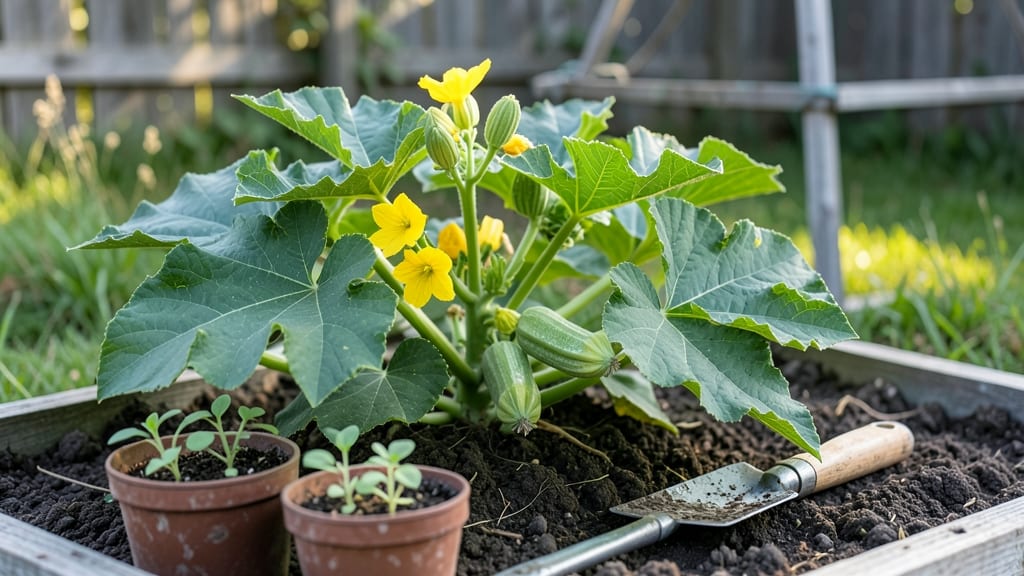
Planting squash in Massachusetts means timing it right to avoid frost while giving vines enough time to mature before summer’s heat peaks.
Massachusetts gardeners know timing is everything—plant squash too early, and frost will wipe out your crop; too late, and summer’s heat arrives before your vines mature. Mastering the frost-free window ensures bumper harvests of butternut, zucchini, and pumpkins 🎃.
Your best bet is to wait until after the last frost—typically mid-April to early May—and soil temperatures hit 60°F. This gives you a 150-200-day growing season, perfect for squash varieties that thrive in zones 5b-7a.
Below, I’ll break down the exact planting window by region, whether to start seeds indoors or direct-sow, and how to extend your harvest into fall—so you’re not left with half-grown squash when the first frost hits.
Massachusetts squash planting calendar: frost dates and soil temperatures
Massachusetts' diverse climate means your squash planting window can vary by 10-14 days depending on whether you're in Western MA, Boston, or Cape Cod. The key to success? Planting when soil temperatures hit 60-70°F and all frost risk has passed.
For most of the state, this falls between mid-May and early June, but coastal areas like Cape Cod can start slightly earlier.
Squash thrives in USDA zones 5b-7a, which covers all of Massachusetts. However, the last frost dates shift dramatically: Western MA averages May 15, while Cape Cod sees its last frost around April 25.
Always check your local Almanac frost dates—they're your best guide for adjusting planting times each year.
Here’s how to use this frost-free window to your advantage: Early varieties like 'Early Prolific Straightneck' can handle cooler soils (as low as 55°F), while heat-loving varieties like 'Butternut Waltham' need 65°F+ soil to germinate reliably. Plan accordingly by selecting varieties that match your region’s growing season length.
🌱
If you're unsure about your local frost dates, use the USDA Plant Hardiness Zone Map to find your zone, then cross-reference with the Massachusetts Agricultural Experiment Station reports.
For example, Zone 6a (common in Western MA) has a shorter frost-free season than Zone 7a (coastal areas), so you’ll need faster-maturing varieties like 'Eight Ball' zucchini or 'Waltham Butternut'.
Pro tip: Test your soil temperature with a soil thermometer before planting. Squash seeds won’t germinate below 60°F, and cooler soils can lead to damping-off disease.
If your soil is too cold, wait a few days or use black plastic mulch to warm it up faster—this can shave 3-5 days off your planting timeline.
For direct-sowing outdoors, aim to plant squash seeds 1 inch deep and 3-4 feet apart in hills. This spacing gives vines room to spread and improves air circulation, reducing the risk of powdery mildew.
If you’re transplanting seedlings, harden them off for 7-10 days before setting them out after the last frost.
Don’t forget that late varieties (like 'Long Island Cheese' pumpkins) need 100+ days to mature, while <
How to extend your squash growing season in Massachusetts’ short summers
Massachusetts' short growing season can make squash cultivation challenging, but with the right strategies, you can extend harvests well into fall. The key is succession planting and choosing varieties that thrive in cooler conditions.
For example, 'Early Prolific Straightneck' matures in just 45 days, perfect for early plantings, while 'Waltham Butternut' handles cooler temps better than most varieties.
Start by extending your season with row covers or cold frames. These protect young plants from late spring frosts and fall chills, buying you extra weeks of growth. I’ve used floating row covers to push harvests into early October, even in Zone 5b areas like Worcester.
Pair this with succession planting—sow seeds every 2-3 weeks from late May through early July for continuous harvests.
Another game-changer is starting seeds indoors 3-4 weeks before your last frost date. This gives vining varieties like 'Long Island Cheese' a head start. Use biodegradable pots to transplant seedlings without disturbing roots.
For bush varieties like 'Eight Ball', direct-sowing after soil warms to 60°F often works better—they mature faster and tolerate cooler soils.
Direct-Sow vs. Transplant Methods
Direct-Sow
- ✅ Pros: Hardier plants, no transplant shock
- ✅ Best for: Bush varieties, late plantings
- ✅ Timing: After soil reaches 60°F
Transplant
- ✅ Pros: Earlier harvests, extended season
- ✅ Best for: Vining varieties, cool climates
- ✅ Timing: 3-4 weeks before last frost
Cons
- ❌ Slower initial growth if soil is cold
- ❌ Risk of pest damage during germination
Cons
- ❌ Transplant shock possible if roots disturbed
- ❌ Higher cost for seed-starting supplies
For late-season squash, focus on cold-hardy varieties like 'Sweet Dumpling' or 'Table Queen'. These tolerate light frosts (down to 28°F) and keep producing until October’s first frost. Pair them with black plastic mulch to warm soil faster in spring and retain heat longer in fall.
I’ve seen 10-14 extra days of harvest using this combo in Zone 6a areas.
Don’t overlook container gardening for small spaces or urban gardens. Bush varieties thrive in 5-gallon pots with well-draining soil. Move containers to sunniest spots during the day and sheltered areas at night to protect from chills.
This method works surprisingly well for 'Jack Be Little', a compact zucchini that matures in just 42 days.
Finally, harvest strategically to encourage more production. Remove overripe squash immediately—they steal energy from new growth. In my garden, pruning excess vines (while leaving 2-3 main stems) boosts fruit set by 20%.
Combine these tips with regular watering (1-2 inches per week) and balanced fertilizer, and you’ll enjoy squash well past Labor Day.