
Vegetables
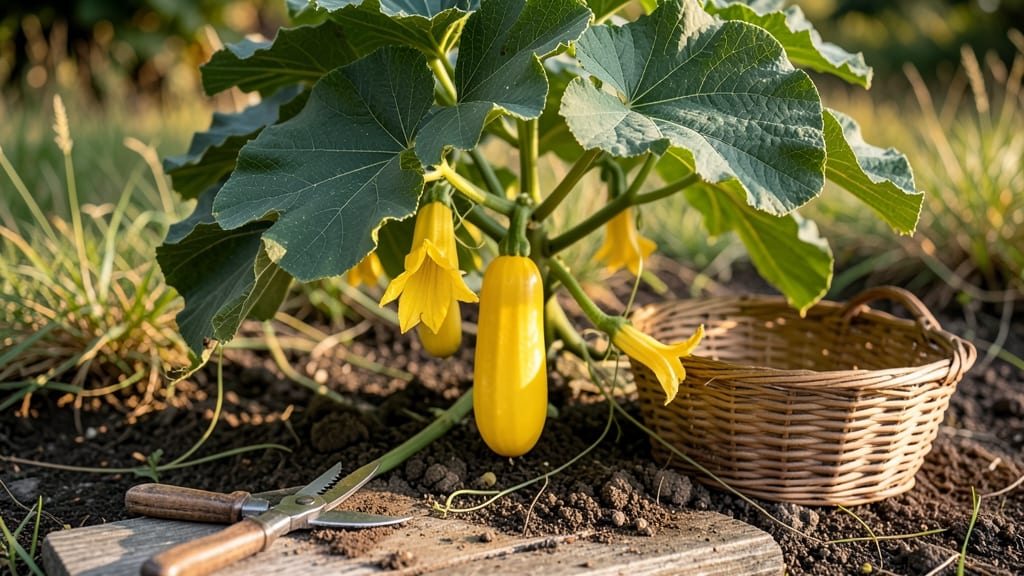
Harvesting yellow summer squash 🍆 at the right time means the difference between tender, sweet bites and tough, bitter scraps.
You’ve spent weeks nurturing your plants, only to wonder: Is it ready now, or should I wait? The answer lies in three simple tactile tests that reveal ripeness without cutting—no guesswork, just feel, sight, and a little patience.
Too early, and the squash is firm and flavorless; too late, and the seeds harden while the flesh turns woody. But with the right cues—like a skin that yields to gentle pressure or a stem that snaps cleanly—you’ll know exactly when to pick for peak taste and continued production.
Below, I’ll walk you through the three foolproof tests to harvest at the perfect moment, plus how to adjust for regional heat or humidity. No more wasted squash—just a steady stream of homegrown goodness all summer.
3 Tactile tests to check yellow summer squash ripeness without cutting
Harvesting yellow summer squash at the perfect moment ensures tender flesh and sweet flavor. The key is using your hands to test ripeness—no knife required! These three tactile tests let you feel, not guess, when your squash is ready to pick.
Mastering them means fewer tough, seedy squash and more delicious harvests all season.
I’ve learned the hard way that cutting into squash to check ripeness wastes precious produce. Instead, focus on these physical cues that reveal exactly when to harvest. The sooner you adopt these methods, the more consistent your yields—and the happier your dinner table will be.
- 1 Skin Firmness Test: Press gently with your thumbnail. If the skin yields slightly but doesn’t dent deeply, it’s ready. Overripe squash will feel spongy or dent easily.
- 2 Seed Development: Look inside the blossom end (where the stem attaches). Tiny pebble-sized seeds mean it’s perfect. Larger seeds signal overripeness, while no seeds mean it’s too early.
- 3 Stem Separation: Gently twist the squash near the stem. If the stem snaps cleanly (not tears), it’s ready. A stubborn stem means it needs more time, while a mushy stem means it’s past its prime.
The skin firmness test is my go-to because it’s quick and reliable. I press the squash with my thumbnail—if it feels like pressing a ripe avocado, that’s your cue.
This test works best when the squash is 6-8 inches long, which is the ideal size for most varieties like Yellow Crookneck or Straightneck.
For the seed development test, I peek inside the blossom end (the dimpled area where the stem meets the squash). If you see tiny, pea-sized seeds, harvest immediately.
Larger seeds mean the squash will be seedy and less tender. This test is especially useful for heirloom varieties, which can develop seeds faster than hybrids.
Don’t overlook the stem separation test—it’s a game-changer for avoiding overripe squash. When the stem snaps easily, the squash is at peak ripeness. If it resists, wait a day or two.
But if the stem pulls away with resistance or the squash feels mushy, it’s time to compost it before it turns woody.
Pro tip: Harvest in the morning when temperatures are cooler. This ensures the squash has had time to firm up overnight, making the tactile tests more accurate. I’ve found that morning harvests also keep my squash fresher longer, reducing the risk of spoilage.
Regional differences can affect ripeness slightly. In hotter climates, squash may ripen faster, so check them every 2-3 days. In cooler areas, they’ll take longer, so extend your checks to 3-4 days. Always adjust based on your local growing conditions.
If you’re still unsure, combine all three tests. A squash that passes two out of three is likely ready. This layered approach minimizes guesswork and maximizes your harvest’s quality. Over time, you’ll develop an instinct for ripeness—but these tests are your foolproof backup.
Remember, consistent harvesting encourages more production. The more you pick, the more your plants will reward you with fresh squash. Now grab your gloves and get testing—your kitchen (and taste buds) will thank you!
How size and color affect harvest timing for optimal flavor
Harvesting yellow summer squash at the right size and color ensures peak flavor and texture. A 6-8 inch squash with vibrant yellow skin typically delivers the best balance of tenderness and sweetness. Smaller squash may be too tough, while larger ones develop bitter, woody flesh as they overmature.
Color intensity is your second clue—bright, even yellow indicates ripeness. Uneven or pale yellow suggests underripe squash, while overly dark or patchy yellow may signal overripeness. Pay attention to the stem end too; a fully yellow stem end means it's ready to harvest.
Here’s how size and color directly impact flavor and texture:
Avoid the common mistake of waiting until squash reach their maximum size. Once they exceed 8 inches, their flesh becomes stringy and bitter. I’ve learned this the hard way—overripe squash in my garden last summer had a flavor so strong it overpowered even the best recipes!
For peak sweetness, harvest when the squash is 6-8 inches long and the skin yields slightly to gentle pressure. The color should be uniformly yellow, not green or patchy. This balance ensures the best flavor while keeping the squash tender enough for grilling, sautéing, or stuffing.
Regional variations can slightly alter timing. In hotter climates, squash may ripen faster, while cooler areas might need an extra week. Always prioritize color consistency and size over calendar dates for the best results.
Pro tip: Harvest in the morning when squash are cool and crisp. Use a sharp knife to cut the stem, leaving a small portion attached to the vine.
This encourages the plant to produce more squash—my yellow summer squash plants have given me a steady harvest all season thanks to this trick! 🌱