
Vegetables
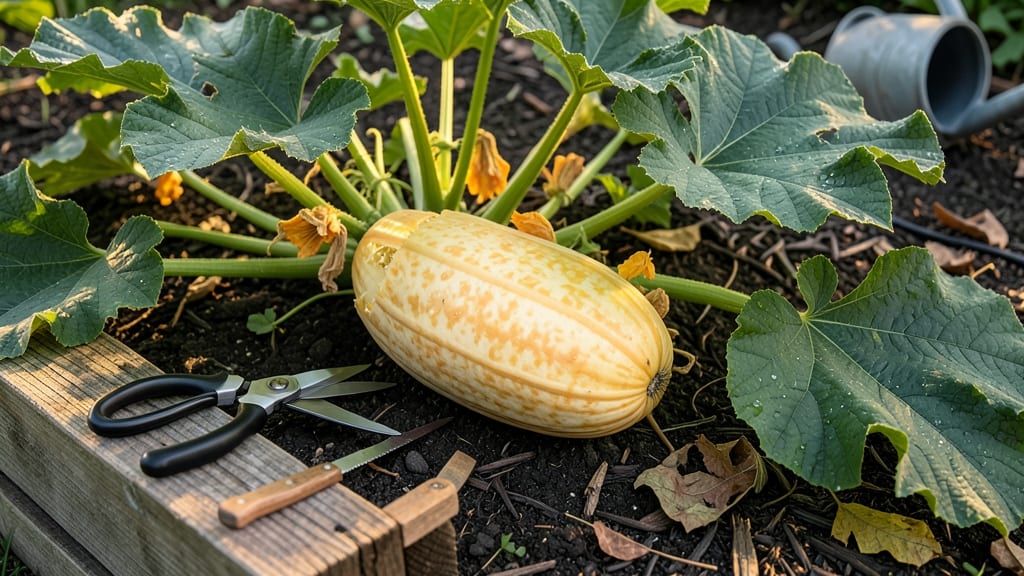
Harvesting spaghetti squash at the right time means tender, string-free flesh that cooks up like a dream — and the secret lies in watching for that seed color shift from white to golden.
Picture this: you’ve waited months for your 🎃 to ripen, only to slice into one that’s still tough or underdeveloped. That’s the frustration I’m here to help you avoid. The key? Knowing when the seeds inside turn from chalky white to a warm yellow, signaling peak ripeness.
Seasonal factors like frost risk and your growing zone play a role too. In USDA Zone 6a, where many gardeners grow spaghetti squash, timing is everything.
Harvest too early, and you’ll end up with a squash that’s all skin and seeds. Wait too long, and the flesh turns grainy and dry.
Below, I’ll walk you through the seed color test, other visual cues to watch for, and how to adjust for your local climate. By the end, you’ll know exactly when to pick your squash for that perfect, restaurant-worthy texture.
How to use the spaghetti squash seed color test for perfect harvest timing
Harvesting spaghetti squash at the right moment transforms your garden bounty from stringy disappointment to tender, golden perfection. The secret? Watching for the seed color shift from white to yellow—a foolproof cue that your squash is ready.
This simple test, combined with other visual signals, ensures you pick your squash when its flesh is at peak texture and flavor.
Most gardeners miss the window because they focus only on skin color changes or vine health. But the seed color test is your ultimate indicator—it’s like a built-in timer inside the squash itself.
When the seeds turn from creamy white to bright yellow, that’s your green light to harvest. Pair this with other cues, and you’ll never overlook a perfect squash again.
Timing is everything with spaghetti squash. If you harvest too early, the seeds stay white, and the flesh turns gummy and underdeveloped. Wait too long, and the skin toughens, while the inside becomes dry and fibrous.
The yellow seed test bridges this gap—it’s your internal ripeness gauge.
Pro tip: Test one squash per week once you hit 80 days of growth. This lets you track the seed color progression without risking your entire crop. I like to mark my calendar with harvest readiness dates based on my local frost date—this keeps me ahead of the game.
Don’t ignore the vine’s condition either. When the vine yellows and dies back, it’s a secondary signal that the squash is nearing maturity. This happens naturally as the plant redirects energy to the fruit.
Pair this with the seed test, and you’ve got a two-pronged system for perfect timing.
Regional differences matter too. In warmer climates (Zones 8-10), spaghetti squash may ripen 2-3 weeks earlier than in cooler areas. Adjust your harvest window accordingly, and always prioritize the seed color shift over calendar dates.
Once you’ve mastered the test, you’ll notice a marked improvement in texture. The flesh should pull apart easily into strands when cooked, not clump together like overripe squash. This is your reward for patient, precise harvesting—worth every extra day of waiting!
Store your freshly harvested squash in a cool, dry place for up to 2 months. Avoid refrigeration until you’re ready to cook, as cold temperatures can alter the flavor and texture. Now, grab your pruning shears and get ready to harvest like a pro! 🎃
Spaghetti squash ripeness timeline: days to maturity by variety
Knowing when to harvest spaghetti squash depends heavily on the variety you're growing. Each type has its own days to maturity, and environmental factors like temperature and sunlight can speed up or slow down ripening.
For example, Honey Bear matures faster in warm climates, while Turk’s Turban thrives in cooler regions with slightly longer growing seasons.
Understanding these timelines helps you plan your garden layout and avoid overripe squash or underdeveloped flesh. The key is balancing seed color shifts (from white to yellow inside) with the variety's natural maturity timeline. Let’s break down the most popular varieties and their ideal harvest windows.
| Variety | Days to Maturity (Range) | Harvest Cues | Environmental Notes |
|---|---|---|---|
| Honey Bear | 85–95 days | Skin turns dull tan; stem hardens | Fastest-maturing; thrives in hot climates (USDA Zones 7+) |
| Violetta | 90–100 days | Skin deepens to beige; vine yellows | Adaptable; tolerates cooler temps (USDA Zones 5–9) |
| Turk’s Turban | 100–110 days | Rind hardens; stem dries at base | Slowest; needs longer growing season (USDA Zones 6–10) |
| Golden Delicious | 80–90 days | Skin lightens to cream; heavy weight | Early variety; sensitive to frost risk |
Your growing region plays a huge role in ripening speed. For instance, Honey Bear might mature in 85 days in Florida but take 95 days in Oregon due to cooler nights.
Always adjust your planting timeline based on your last frost date—aim to harvest before first frost to avoid rotting.
Pro tip: If your squash isn’t ripening fast enough, check for adequate sunlight (6+ hours daily) and consistent watering. Overwatering can delay maturity, while drought stress speeds it up—just beware of bitter, fibrous flesh as a trade-off. Monitor your plants closely in late summer for the perfect harvest window.
Once you spot dull tan skin and a dry stem, it’s time to harvest! Use a sharp knife to cut the squash from the vine, leaving a 1-inch stem attached to prevent rot.
Store in a cool, dry place (50–55°F) for up to 3 months—just don’t refrigerate until you’re ready to cook.
🎃