
Vegetables
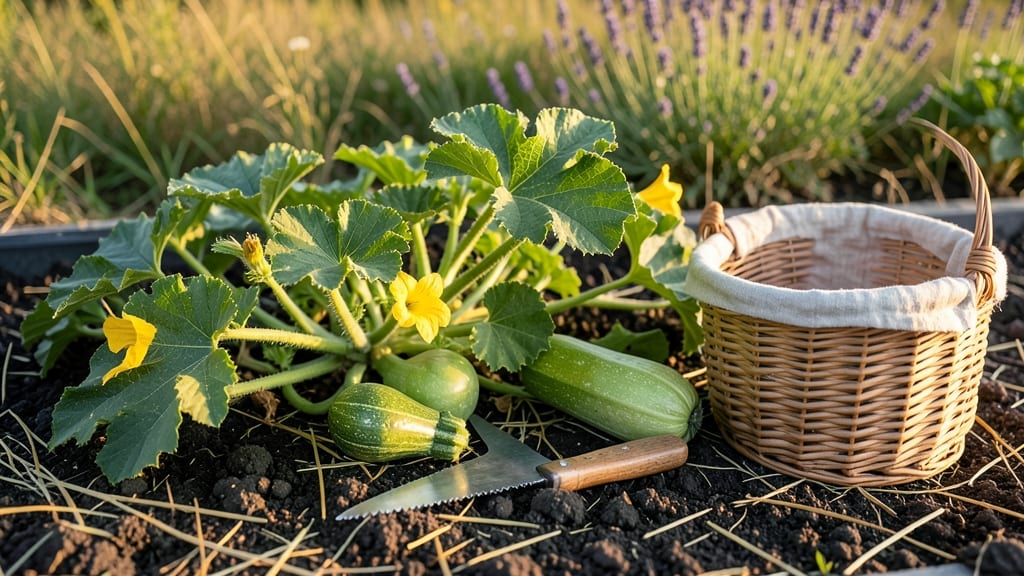
Knowing when is summer squash ripe—when it reaches 6–8 inches with tender skin and bright, consistent color—is key, whether it’s deep green, golden yellow, or white, depending on the variety 🎃.
Picking too early means tough, bitter flesh—while waiting too long risks overripe, seedy disappointment. Knowing the exact ripeness cues can save your harvest and your dinner plans.
Look for a firm but yielding rind that gives slightly when you press your fingernail into it. The stem end should turn from green to yellow (for some varieties), and the squash should feel heavy for its size.
Below, I’ll break down the three key signs of perfect ripeness, plus the best time of day to harvest for maximum flavor and how to avoid common mistakes that ruin your crop.
3 Visual signs your summer squash is perfectly ripe
Summer squash like zucchini and yellow crookneck reach peak flavor when harvested at the right moment. The difference between perfectly ripe and overripe squash comes down to three key visual cues: color, size, and skin texture.
Mastering these will transform your harvest from tough and bitter to tender and sweet—exactly what you want for grilling or sautéing.
Green varieties like zucchini often fool gardeners into thinking they’re ready when they’re not. Meanwhile, yellow varieties like yellow straightneck can trick you into waiting too long. Each type has specific thresholds for ripeness that guarantee the best taste and texture.
Ignore these cues, and you’ll end up with squash that’s either underdeveloped or seedy and stringy.
Color is your first clue—though it varies by variety. For green summer squash, look for a deep, even color without green stems. Yellow varieties should be vibrant yellow all over, not just at the blossom end. A mottled or patchy appearance usually means it’s overripe or unevenly exposed to sun.
Size matters more than you might think. Most summer squash varieties are ready when they reach 6–8 inches long. Zucchini should be about 8–10 inches for ideal tenderness, while yellow crookneck squash is perfect at 5–7 inches—any larger, and the seeds become noticeable. Measure from the blossom end to the opposite tip for accuracy.
Here’s the expert-approved breakdown of ripeness cues for summer squash, so you never guess again:
A tender skin is your third and most reliable sign. Gently press your fingernail into the squash’s skin—if it yields slightly (like pressing your thumb into a ripe peach), it’s ready.
A hard, resistant skin means it’s underripe, while a soft, mushy texture signals overripeness. This test works for both green and yellow varieties, so always check before cutting.
Pay attention to the blossom end (the stem where the flower was). For yellow squash, this area often turns yellow or brown when ripe. In green varieties, the stem should dry out and detach easily—if it’s still green and firm, wait a few days.
This is a critical clue that’s often overlooked but makes all the difference in flavor.
One common mistake is assuming bigger is better. While some gardeners wait for squash to grow 12 inches or more, that’s a sign of overproduction, not ripeness. Larger squash tend to have developed seeds and fibrous flesh.
Stick to the 6–8 inch rule for peak tenderness, and you’ll encourage your plants to produce more squash over time.
Harvesting at the right moment isn’t just about taste—it’s about plant health. Overripe squash drain nutrients from the plant, slowing down new growth. By picking when the squash is perfectly ripe, you’re also ensuring your summer squash plants keep producing for weeks.
Think of it as a win-win: better squash for you and more squash for your garden.
Pro tip: Morning harvests are ideal because squash lose moisture quickly in hot sun. Grab a sharp knife or pruners, cut the squash 1–2 inches from the vine, and enjoy the satisfaction of knowing you’ve picked it at its peak. Your future meals—and your plants—will thank you.
How to test summer squash ripeness beyond appearance
Summer squash ripeness isn’t just about color—sometimes the best clues are hidden beneath the surface. While green or yellow skin signals maturity, your fingers and ears can reveal even more.
I’ve learned that tactile tests like the thump test or peel resistance often catch subtle ripeness cues before visual signs become obvious.
For example, a yellow crookneck might look perfect but feel rock-hard inside. That’s where the seed cavity check comes in—a simple but game-changing method. By combining these three tactile tests, you’ll avoid the two biggest mistakes: harvesting too early (tough, seedy squash) or too late (overripe, stringy flesh).
⚠️ Warning: Overripe Summer Squash Traps
Waiting too long turns summer squash woody and bitter. Look for these red flags:
- Seed cavity grows to 1 inch wide (ripe) or larger (overripe)
- Rind becomes leathery and resists fingernail pressure
- Thump test sounds hollow (overripe) instead of dull
🌱 Pro Tip: Harvest when seeds are peanut-sized—this guarantees tender flesh.
The thump test is my go-to for quick checks. Hold the squash and give it a firm tap with your knuckle—ripe squash should sound dull and solid, like a ripe melon.
If it rings hollow, it’s overripe. This works especially well for yellow varieties, where color can be misleading due to uneven ripening.
Next, test the peel resistance. Press your fingernail into the skin near the stem end—ripe squash should yield slightly with gentle pressure. If the skin springs back immediately, it’s not ready.
For zucchini, aim for a 1/16-inch indentation; larger varieties like yellow straightnecks need a 1/8-inch give.
Don’t overlook the seed cavity method, which reveals ripeness from the inside. Cut open a candidate squash—ripe ones have peanut-sized seeds surrounded by tender, pale flesh. If seeds are larger than a dime or the cavity feels spongy, wait a few days.
This method is foolproof for green varieties, where color alone isn’t reliable.
For consistent harvests, combine these tests with frequency-based picking. Check squash every 2–3 days during peak production (July–August). The more you harvest, the more your plants produce—just like pruning encourages bushier growth. Keep a small harvest journal to track what works best for your local climate and variety.
Remember, early morning harvests yield the best flavor since squash loses moisture quickly in the sun. Store ripe squash in a cool, dark place (not the fridge) for up to 5 days. With these tactile tests, you’ll never guess again—just harvest with confidence. 🌿