
Vegetables
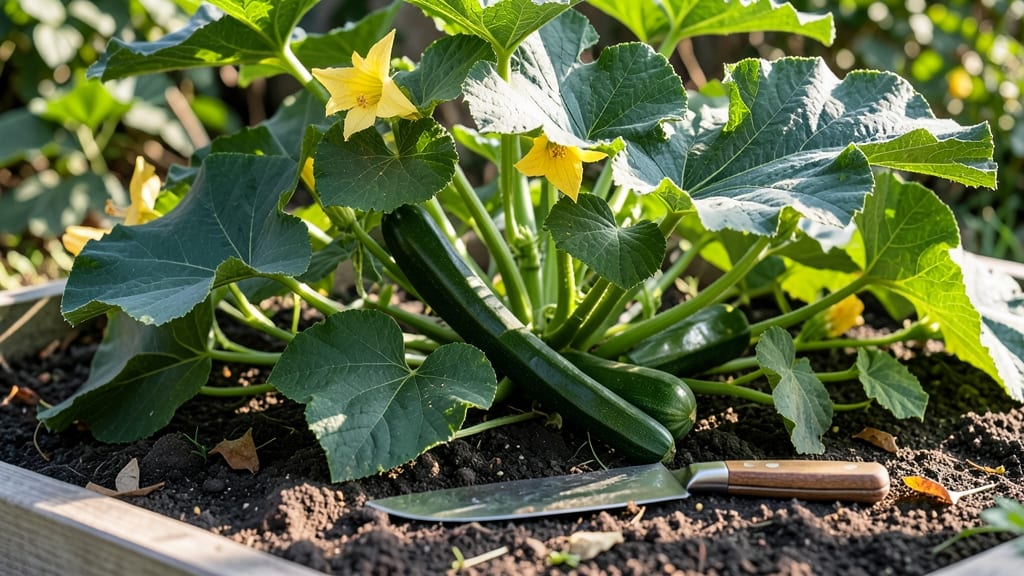
Squash is ready to be picked when its skin hardens, color deepens, and the stem begins to dry out 🎃 — but timing this perfectly ensures the best flavor and texture.
Picking too early means rubbery, seedy disappointment, while waiting too long turns your harvest into a tough, stringy mess. The difference between a perfectly ripe squash and one that’s past its prime often comes down to knowing these 5 key visual cues before you reach for the knife.
Whether you’re growing zucchini, butternut, or pumpkin, the same rules apply: check the color, size, and stem condition. I’ll walk you through each step, including how to test ripeness with a simple touch-and-taste method that works every time.
By the end, you’ll never second-guess when to harvest again — and your kitchen will always have the freshest, most flavorful squash from your garden.
5 Visual signs your squash is ready for harvest (with photos)
There’s nothing worse than slicing into a squash that’s still too soft or letting it rot on the vine because you waited too long. The good news? Squash gives you clear visual cues that it’s ready to harvest—you just need to know what to look for.
Whether you’re growing zucchini, butternut, or acorn squash, these 5 telltale signs will help you pick at peak flavor and texture.
Timing matters because squash continues to ripen after harvest for some varieties, but others (like zucchini) lose quality fast. I’ve learned the hard way—overripe squash turns mealy, while underripe squash is bland. Let’s dive into the visual clues that mean your squash is finally ready to pick.
🌱 5 Visual Signs Your Squash Is Ready
-
1. Full Size for the Variety
Summer squash (zucchini) should be 6-10 inches long; winter squash (like butternut) should reach 8-12 inches. Measure against your plant’s tags for exact specs. -
2. Hard, Thick Skin
Press your thumbnail into the skin. If it doesn’t dent, it’s ready. Soft spots mean more time on the vine. -
3. Deep, Even Color
No pale patches! Zucchini turns bright green or yellow; butternut squash deepens to tan or orange. Uneven color = not ripe yet. -
4. Stem Dries and Detaches Easily
Twist the stem gently. If it snaps cleanly (not tears), the squash is ready. A stubborn stem means wait a few days. -
5. Heavy for Its Size
Lift the squash—ripe ones feel surprisingly heavy for their size. Lightweight squash? It’s not ready.
📌 Pro Tip: Harvest in the morning when squash is cool and crispest.
Let’s break down these signs by squash type because what works for zucchini won’t cut it for pumpkins. For example, zucchini should be picked when it’s 6-8 inches long—any longer, and it gets seedy and fibrous.
Meanwhile, butternut squash needs that hard rind and deep orange color before it’s storage-ready.
Color is your best friend here. A zucchini should be uniformly green or yellow (no white streaks), while acorn squash turns a rich golden-brown.
I once picked a pale acorn squash and regretted it—it tasted bland compared to the vibrant ones. Uneven color usually means the squash isn’t getting enough sun, so check your plants’ placement if you spot this issue.
The stem test is often overlooked but critical. A ripe squash’s stem will dry out and detach easily—this is nature’s way of telling you, “Pick me now!” If the stem resists, give it 2-3 more days.
But beware: waiting too long can turn your squash into a woody, inedible mess. I’ve seen this happen with pumpkins left on the vine past Halloween—they shrivel up!
Don’t forget to check the vine too. If the squash is crowding others or the vine looks wilting, it’s a sign to harvest soon. Overcrowded squash compete for nutrients, leading to smaller, less flavorful fruits.
I’ve had to thin out my butternut squash vines mid-season to ensure the remaining fruits reached full size.
One common mistake? Harvesting by calendar instead of visual cues. Squash doesn’t ripen on a schedule—it depends on sunlight, temperature, and variety. For example, zucchini can be ready in 45-55 days, but butternut squash takes 80-100 days. Always trust the plant, not the seed packet’s timeline.
Finally, harvest timing affects storage life. Winter squash (like butternut or pumpkin) should be fully mature before picking for long-term storage. Summer squash (like zucchini) is best eaten fresh within 3-5 days of harvest.
I learned this the hard way when I stored zucchini in the fridge—it turned mushy and lost flavor.
Now that you’re armed with these 5 visual signs, you’ll never second-guess when to pick your squash again. Grab your pruners, head to the garden, and enjoy that perfectly ripe harvest—your taste buds will thank you! 🎃
How to test squash ripeness: the 3-Method touch-and-taste guide
Determining when squash is ready to pick isn’t just about guessing—it’s about using your senses. Overripe squash becomes tough and seedy, while underripe squash lacks flavor and texture.
I’ve learned the hard way that waiting too long ruins the harvest, so I rely on three foolproof methods to test ripeness: the stem check, the thump test, and vine inspection. These techniques work for zucchini, butternut, and even pumpkins.
Start with the stem check, the most reliable method. When squash is ripe, the stem where it connects to the vine will feel dry and papery. Gently twist the stem—if it snaps cleanly or detaches easily, your squash is ready.
For winter squash like butternut, the stem should also harden slightly and turn brown. This method alone saves me from harvesting too early or too late.
When Is Squash Ready to Be Picked?
✅ Ready Signs
- Stem dryness: Stem feels papery, detaches easily
- Skin firmness: Resists gentle thumbnail pressure
- Color depth: Fully developed, no pale spots
- Sound: Hollow thump when tapped
❌ Not Ready Signs
- Soft stem: Still green and flexible
- Tender skin: Punctures easily with nail
- Pale color: Uneven or underdeveloped hues
- Dull thump: Sounds flat or mushy
🌱 Pro Tip: Morning is the best time to test—squash is cooler and firmer.
The thump test is my go-to for squash I’m unsure about. Hold the squash with one hand and tap it firmly with your knuckles. A ripe squash will sound hollow and deep, like knocking on a drum.
If it sounds flat or mushy, it’s not ready yet. For example, my butternut squash always passes this test when its skin turns a deep orange and feels heavy for its size.
Don’t overlook the vine inspection, which reveals the squash’s growth status. Look for signs like stopped growth—ripe squash won’t grow larger once picked. The vine may also wilt slightly near the fruit, indicating it’s diverting energy elsewhere.
I check this daily during peak harvest season to avoid missing the perfect window.
For summer squash like zucchini, taste-testing is optional but helpful. A ripe zucchini should be sweet and tender with minimal seeds. If it’s bitter or seedy, it’s past its prime.
Winter squash, however, should be starchy and firm—think of a butternut’s texture when fully ripe. Always cut one open to confirm before committing to a full harvest.
Remember, timing is everything. Harvesting too early means underdeveloped flavor, while waiting too long leads to tough, seedy squash. By mastering these three methods, you’ll never second-guess your harvest again. Grab your gloves and get testing—your garden’s bounty is waiting! 🎃