
Picking
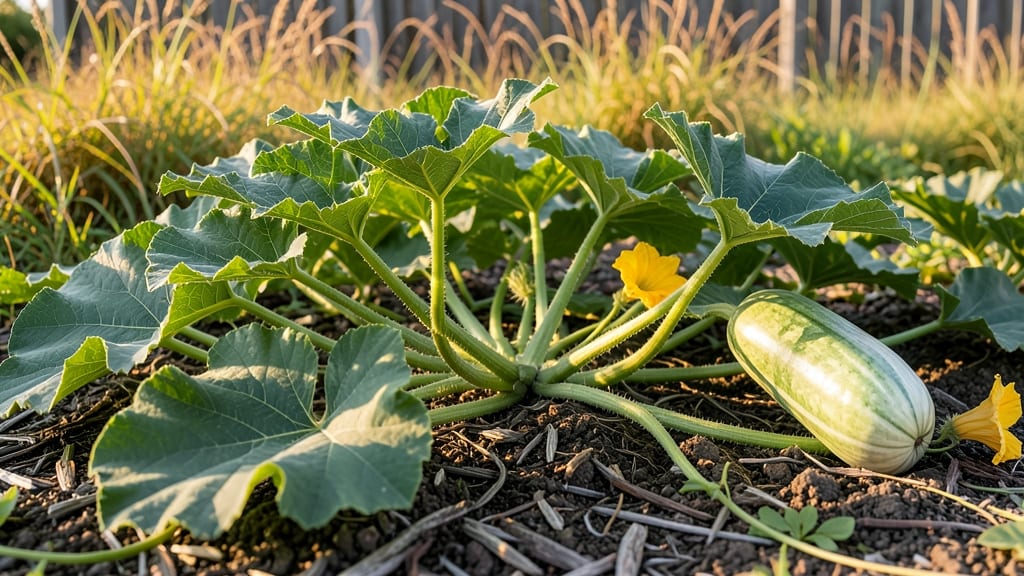
This watermelon looking squash isn't just a pretty face—it's a cold-hardy, partial-shade superstar that produces sweet, nutty fruit when most vines give up. 🌱 I fell for its unique rind the first time I saw it at the farmers' market, and now I grow it every year, even in spots where regular squash would fail.
The secret? It handles cooler temps and dappled light like a champ, while still delivering that satisfying crunch and flavor you'd expect from a summer squash.
Start seeds indoors 4-6 weeks before your last frost, then transplant after soil warms to at least 60°F. These vines love rich, well-draining soil—think compost mixed into the top 12 inches—and they'll reward you with 3-4 foot-long fruits that taste like a cross between watermelon and butternut.
The key is patience: they mature slower than zucchini but stay productive for months, even when other plants bolt in the heat.
You'll know it's harvest time when the skin turns a deep tan and the stem separates easily from the vine. Store them in a cool, dark place for 2-3 months, and you'll have homegrown squash for Thanksgiving pies or winter soups.
The rind stays crisp, and the flesh develops a honeyed sweetness that rivals store-bought butternuts—only better because you grew it yourself.
Watch for squash vine borers (cover young plants with row fabric) and cucumber beetles (use floating row covers early). These vines also make great companions for beans and corn, so group them with other heavy feeders in your garden layout.
Perfect for small spaces, containers, or shady corners where other crops struggle—this squash turns limitations into a harvest.
The Science Behind Odd Squash Shapes
If your squash plants are producing fruits that look like watermelon lookalikes—round, striped, and unexpectedly vibrant—you’re not alone. While this trait isn’t a flaw, it’s often a sign of underlying growing conditions or genetic quirks.
Understanding the root causes can help you refine your gardening approach and encourage healthier, more predictable harvests. Let’s break down the key factors behind this squash phenomenon.
Some squash varieties, particularly heirlooms or less common types like Cucurbita pepo or Cucurbita moschata, are genetically inclined to produce irregular shapes. This isn’t a defect—it’s simply part of their DNA. For example:
- Hybrid vs. Heirloom: Heirloom squash often exhibit more variation in shape, color, and texture due to their untamed genetic lines. If you’re growing a seed-saving variety, expect surprises!
- Cross-Pollination: If your garden hosts multiple squash types (e.g., zucchini, pumpkins, and gourds), accidental cross-pollination can lead to hybrid traits—including watermelon-like stripes or rounded forms.
- Seed Source Matters: Seeds from unknown or mixed batches may produce unpredictable results. Stick to reputable suppliers if you want consistent shapes.
Pro Tip: 💡 If you love the look, save seeds from your favorite "watermelon squash" for next year’s garden!
Squash thrive in full sun (6–8 hours daily), but partial shade can trigger compensatory growth patterns, including:
- Stunted Growth: Without enough sunlight, vines grow leggy and fruits may develop unevenly, mimicking the rounded shape of watermelons.
- Chlorophyll Shifts: Partial shade can cause uneven pigmentation, leading to striped or mottled patterns on the rind.
- Poor Pollination: Shady conditions may reduce bee activity, leading to underdeveloped or misshapen fruits.
Actionable Fix: 🌿 Move plants to sunnier spots or use reflective mulch (like white plastic) to bounce light onto shaded areas.
Water stress—whether from drought or overwatering—can distort squash development. Here’s how:
| Issue | Effect on Squash |
|---|---|
| Underwatering | Fruits may become hard, lopsided, or develop a "watermelon-like" roundness due to uneven cell growth. |
| Overwatering | Excess moisture can cause blossom-end rot or split skins, leading to irregular shapes and colors. |
| Inconsistent Watering | Fluctuating soil moisture stresses the plant, resulting in malformed fruits with striped or blotchy patterns. |
Pro Tip: 🌡️ Aim for 1–1.5 inches of water per week, delivered at the base (not the leaves) to prevent fungal issues.
Squash are sensitive to extreme temperatures, which can alter fruit development:
- Cold Snaps: Temperatures below 50°F (10°C) can stunt growth, leading to small, round, or striped squash.
- Heat Stress: Temperatures above 90°F (32°C) may cause poor pollination, resulting in deformed or watermelon-like shapes.
- Day-Night Swings: Large temperature shifts confuse the plant’s growth hormones, leading to irregular patterns.
Solution: ✨ Use row covers for early spring/fall or mulch to regulate soil temperature.
Squash need a balanced diet of nitrogen (N), phosphorus (P), and potassium (K), but imbalances can lead to odd shapes:
- Excess Nitrogen: Leads to leafy growth at the expense of fruit development, sometimes resulting in small, round squash.
- Phosphorus Deficiency: Can cause poor root and fruit development, leading to misshapen or striped rinds.
- Potassium Deficiency: Weakens cell walls, making fruits prone to cracking or irregular growth.
Fix It: 📊 Test your soil and amend with compost or a balanced 10-10-10 fertilizer mid-season.
Fixing Your Striped Squash
Got a watermelon-striped squash with odd coloring? Don’t panic—this quirky trait is often fixable (or even preventable) with a few targeted tweaks. Below, we break down the most common causes and practical solutions to help your squash vines thrive, whether you’re dealing with poor soil, light issues, or pest pressure.
Cause: Overly sandy, clay-heavy, or nutrient-deficient soil can stress plants, leading to uneven coloring or striped patterns.
How to Fix It: 🔥 Test Your Soil – Grab a soil test kit (or send a sample to your local extension office) to check pH and nutrient levels. Ideal pH for squash: 6.0–7.0.
🍳 Amend the Soil – Mix in compost (2–3 inches worked into the top 6–12 inches) or aged manure to improve texture and fertility. For sandy soil, add peat moss or coconut coir; for clay, blend in perlite or vermiculite.
👨🍳 Fertilize Smartly – Use a balanced organic fertilizer (like 5-5-5) at planting, then switch to a low-nitrogen, high-potassium formula (e.g., 0-10-10) once vines start flowering. Too much nitrogen = leafy growth, not fruit!
💡 Pro Tip: Avoid fresh manure—it can burn roots. Compost it first!
Cause: Partial shade is great for cold-hardy squash, but too much shade (or sudden light changes) can cause pale stripes or poor color development.
How to Fix It: 🌿 Optimize Placement – Give your plants 4–6 hours of direct sunlight daily, even if they tolerate shade. If growing in containers, move them to a sunnier spot midday.
🥘 Prune Competitors – Tall weeds, overgrown neighboring plants, or dense foliage can block light. Trim back anything casting shade on your squash vines.
🔪 Thin the Vines – If vines are too crowded, strip away excess leaves (especially lower ones) to improve airflow and light penetration.
🌡️ Pro Tip: If your garden has hot afternoons, use shade cloth (30–50%) to protect young plants from scorching—this prevents stress-induced color issues.
Cause: Squash bugs, aphids, or fungal diseases (like powdery mildew) can stress plants, leading to abnormal striping or stunted growth.
How to Fix It: 🛡️ Inspect Regularly – Check undersides of leaves and stems for pests. Squash bugs (flat, gray-green) and aphids (tiny, clustered) are common culprits.
🔪 Handpick or Spray –
- Squash bugs: Drop them in soapy water (1 tbsp dish soap + 1 gallon water).
- Aphids: Blast off with a strong stream of water or spray with neem oil (1 tsp + 1 quart water).
- Fungal issues: Apply baking soda spray (1 tsp baking soda + 1 quart water + few drops of soap) every 7–10 days.
🎯 Prevent Future Infestations:
- Rotate crops (don’t plant squash in the same spot yearly).
- Use row covers early in the season to block pests.
- Plant companion crops like nasturtiums (they repel squash bugs!).
Cause: Uneven watering leads to blossom-end rot (dark spots) or uneven coloration in squash.
How to Fix It: 💦 Water Deeply & Consistently – Aim for 1–1.5 inches per week, delivered at the base of the plant (not overhead). Use drip irrigation or soaker hoses to avoid wetting leaves (which spreads disease).
⏰ Stick to a Schedule – Water early morning to reduce evaporation and fungal risk. Let the top 1–2 inches of soil dry between waterings to prevent root rot.
🥗 Mulch Like a Pro – Spread 2–3 inches of straw or shredded leaves around plants to retain moisture and keep roots cool.
Want to avoid striped squash headaches before they start? Try these long-term fixes: ✅ Choose the Right Variety – Some squash (like ‘Cocozelle’ or ‘Straight Eight’) handle partial shade better than others.
Opt for cold-hardy, striped types if you love the look! ✅ Start with Healthy Transplants – Buy or grow strong, disease-free seedlings from reputable sources. ✅ Monitor & Adjust – Keep a gardening journal to track soil, water, and sunlight conditions. Note what works (and what doesn’t) each year.
Final Thought: A watermelon-striped squash isn’t always a problem—sometimes, it’s just nature’s quirky charm! But if you suspect stress, act fast with these fixes. Happy growing! 🎉
Frequently asked questions
What's the best way to store watermelon-looking squash?
Store them in a cool (50-55°F), dark place with good airflow—like a basement or root cellar. Whole squash keep for 2-3 months when cured first (place in 80°F for 10 hours to harden the rind). Cut pieces last 5-7 days wrapped in damp paper towels.
Can I grow this squash in containers?
Yes! Use a 5-gallon container minimum with drainage holes. Plant one vine per pot and choose a light, fast-draining mix. Place containers in full sun (6+ hours) and water consistently—container soil dries faster than ground soil.
Why does my watermelon squash taste bitter?
Bitter flavor usually means overripe fruit or stress from inconsistent watering. Harvest when skin turns tan and stem separates easily. Water deeply 1-1.5 inches per week and avoid wetting leaves to prevent fungal issues that can alter taste.
What's the difference between watermelon squash and regular summer squash?
Watermelon squash (like Cushaw) has a thicker rind and stores longer, while summer squash (zucchini) has thin skin and must be used within 1 week. The flesh is also sweeter and more nutty—perfect for roasting or baking!
How do I know when watermelon squash is ready to harvest?
Look for these signs: deep tan color, stem separates easily when gently twisted, and skin is hard to puncture with your fingernail. Harvest in 90-110 days depending on variety—don't wait too long or the flesh becomes stringy.