
Vegetables
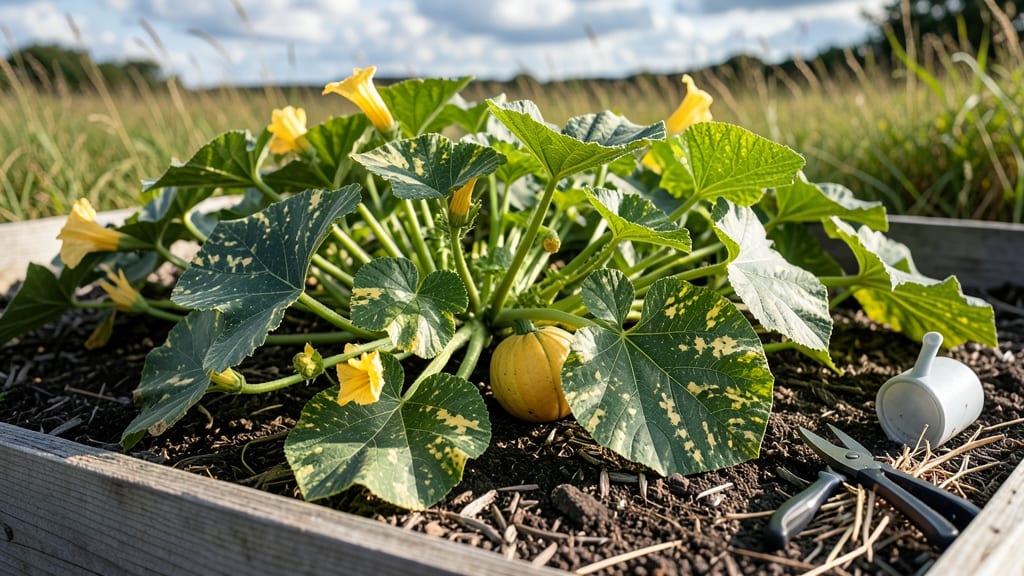
Variegated squash leaves aren’t just a quirky garden oddity—they’re often a warning sign your plants are under stress. 🌿 Whether caused by viral infections, nutrient deficiencies, or pest damage, those streaks of yellow or white mean your squash is fighting harder than it should.
The good news? Most issues are fixable with the right approach, and I’ll walk you through diagnosing the problem and restoring your plants to full, healthy growth.
First, rule out the most common culprits: cucumber mosaic virus spreads like wildfire in summer gardens, while nitrogen deficiency or overwatering can mimic variegation. Check the undersides of leaves for tiny pests like aphids or spider mites—those can weaken plants enough to trigger strange color patterns.
If you spot infected plants, remove them immediately to prevent spread. Healthy soil, proper spacing, and regular scouting can stop many problems before they start.
Once you’ve identified the cause, the fix depends on the issue. For viral infections, remove and destroy affected plants (don’t compost them!). For nutrient problems, feed your squash with a balanced organic fertilizer and mulch to retain moisture.
Pest damage? A strong spray of neem oil or insecticidal soap usually does the trick within a week. With the right care, your plants will bounce back—and you’ll avoid the heartbreak of blighted harvests.
Prevention is your best tool: rotate crops yearly, sanitize tools between uses, and choose resistant varieties if viruses are a recurring issue. Healthy starts mean fewer surprises later. Let’s get your squash thriving again—no variegated mysteries allowed.
Understanding Leaf Discoloration Triggers
Variegated squash leaves—those stunning, striped or speckled beauties—can sometimes lose their luster, turning yellow, brown, or even developing unsightly patches. While their unique patterns are a gardener’s delight, stress or damage can dull their vibrancy.
Here’s why it happens, broken down into the most common culprits and how they disrupt your squash’s leafy artistry.
Variegated squash leaves thrive in moderate climates, but extreme heat or sudden temperature swings can shock them into distress. The chlorophyll (the green pigment responsible for photosynthesis) breaks down when leaves overheat, leading to bleaching, scorching, or crispy edges.
Variegated varieties, with their mix of green and white/yellow cells, are especially vulnerable because the lighter cells lack protective pigments.
- Too Hot? Direct sunlight above 90°F (32°C) for prolonged periods can cause sunburn, turning leaves white or brown. - Too Cold? Temperatures dipping below 50°F (10°C) at night slows growth and weakens cell structure, making leaves prone to frost damage or water-soaked spots. - Solution: Provide afternoon shade in peak summer or use row covers for early/late-season protection.
Mulch with straw to regulate soil temperature.
Water stress is a top offender for variegated squash leaves. Unlike solid-green leaves, variegated ones have fewer chlorophyll-rich cells, making them less efficient at photosynthesis—and thus more sensitive to hydration issues.
- Underwatering: Leaves curl, crisp, and turn yellow or brown at the edges as cells collapse from dehydration. The veins may darken while the rest of the leaf fades. - Overwatering: Poor drainage or soggy soil leads to root rot, cutting off nutrient/water supply.
Leaves develop yellow patches (chlorosis) or black, mushy spots. - Solution: Water deeply 1–2 inches per week, ensuring soil drains well. Drip irrigation (not overhead) prevents fungal issues. Check soil moisture by sticking your finger 2 inches down—if dry, water; if damp, wait.
Variegated squash leaves rely on a balanced diet. Missing or excess nutrients throw off their color and health.
| Symptom | Likely Cause | Fix It |
|---|---|---|
| Yellow between veins | Iron deficiency (chlorosis) | Apply chelated iron or compost tea. Test soil pH (ideal: 6.0–7.0). |
| Purple stems/leaves | Phosphorus deficiency | Side-dress with bone meal or rock phosphate. |
| Brown leaf tips | Potassium deficiency | Use wood ash or potassium sulfate. |
| Yellow with green veins | Magnesium deficiency | Sprinkle Epsom salt (1 tbsp/gallon water) every 2 weeks. |
| Stunted growth + dark leaves | Nitrogen excess | Flush soil with water; reduce high-nitrogen fertilizers. |
Pro Tip: 💡 Variegated leaves often have lower chlorophyll, so they may need extra micronutrients like zinc or manganese. A balanced organic fertilizer (like 5-5-5) keeps them happy without overwhelming them.
Pests and pathogens sap nutrients and physically damage leaves, triggering stress responses like discoloration.
- Aphids/Spider Mites: Tiny pests pierce leaves, causing yellow stippling or white webbing.
Variegated leaves, with their delicate patterns, show damage more visibly. - Powdery Mildew: A white fungal coating appears on leaves, blocking sunlight and turning them brown and crispy. - Bacterial Leaf Spot: Dark, water-soaked spots with yellow halos spread rapidly in humid conditions. - Solution: - Prevent: Space plants for airflow, avoid overhead watering, and rotate crops yearly. - Treat: Spray with neem oil (for pests) or baking soda mix (1 tsp baking soda + 1 quart water + a drop of soap) for mildew.
Remove severely infected leaves immediately.
Variegated squash leaves can wilt, yellow, or develop irregular patterns if they’re stressed during transplanting or planted in subpar soil.
- Root Disturbance: Rough handling damages root hairs, slowing water/nutrient uptake.
Leaves may droop or develop brown edges. - Compacted/Poor Soil: Roots struggle to access oxygen or nutrients, leading to stunted growth and pale, weak leaves. - Solution: - Transplant Care: Harden off seedlings (acclimate to outdoor conditions over 7–10 days) and plant in late afternoon to reduce shock. - Soil Prep: Amend with compost and sand for loose, well-draining soil.
Aim for 6.0–7.0 pH for optimal nutrient uptake.
Not all discoloration is a cause for alarm! Some variegation is natural or tied to the plant’s life cycle.
- New Growth: Young leaves may appear lighter or unevenly colored as they mature. - Old Age: Mature leaves naturally yellow and die back (senescence) to redirect energy to fruits. - Solution: If leaves are otherwise healthy and firm, no action is needed.
Focus on removing only the most damaged ones to avoid pest attractants.
Key Takeaway: Variegated squash leaves are sensitive barometers of plant health. By addressing temperature, water, nutrients, pests, and soil, you’ll keep their patterns bold, vibrant, and full of potential—just like the pesto they’re destined to become! 🥗✨
Reviving Variegated Squash Leaves
When your squash leaves lose their vibrant variegation—those stunning streaks of yellow, cream, or white—they’re still edible, but the flavor and visual appeal take a hit. The good news?
Most issues are fixable with simple adjustments. Below, we’ll tackle the most common causes and provide practical, step-by-step solutions to restore (or preserve) those gorgeous, nutty leaves.
If your leaves are pale, dull, or losing their variegation due to poor nutrition, it’s time to feed them right.
💡 Step 1: Soil Test & Amendments
Variegated squash thrives in well-draining, nutrient-rich soil.
If your garden soil is depleted: - Test your soil (DIY kits are cheap and easy). - Add compost (2–3 inches mixed into the top 6 inches of soil). - Use a balanced fertilizer (10-10-10 or organic options like fish emulsion) at planting. - For heavy clay soil, mix in perlite or sand to improve drainage.
> 💡 Pro Tip: Variegated leaves need less nitrogen than solid-green varieties—too much N = lush foliage but faded variegation. Opt for phosphorus-rich fertilizers (like bone meal) to enhance color.
🍽️ Step 2: Foliar Feeding for Quick Results
If your plants are already struggling, a foliar spray delivers nutrients fast:
- Mix 1 tbsp liquid seaweed extract + 1 tsp Epsom salt in 1 gallon of water.
- Spray leaves early in the morning (avoid direct sunlight to prevent leaf burn).
- Repeat every 2 weeks until variegation improves.
🌿 Step 3: Mulch to Retain Moisture & Nutrients
- Apply 2–3 inches of straw or shredded leaves around the base (but not touching stems).
- Keeps soil cool, moist, and rich—perfect for variegated squash.
Variegated leaves need plenty of sunlight (6+ hours daily) to maintain their striking patterns. If they’re fading or turning green:
🔥 Step 1: Move to a Sunnier Spot
- Transplant if possible—variegated squash hates shade.
- If container-grown, place near a south- or west-facing window (or use a grow light for 12+ hours/day).
🌡️ Step 2: Protect from Heat Stress
Too much intense midday sun can scorch leaves, making variegation dull:
- Use shade cloth (30–50%) during peak afternoon heat (1–4 PM).
- Water deeply in the morning to cool the soil.
🌱 Step 3: Prune for Better Airflow
Overcrowded plants compete for light, weakening variegation:
- Remove yellow or damaged leaves to improve airflow.
- Space plants 3–4 feet apart (or thin seedlings).
Pests like aphids, spider mites, or powdery mildew can stress plants, causing variegation to fade.
🐞 Step 1: Inspect & Remove Pests
- Check undersides of leaves daily for pests.
- Spray with neem oil (1 tsp per quart of water) or insecticidal soap for mild infestations.
- Introduce beneficial insects (ladybugs, lacewings) for organic control.
🌧️ Step 2: Improve Air Circulation
- Space plants properly (avoid dense clusters).
- Water at the base (not overhead) to prevent fungal growth.
- Remove infected leaves immediately to stop spread.
🛡️ Step 3: Preventative Sprays
- Baking soda spray (1 tsp baking soda + 1 quart water + few drops of soap) prevents powdery mildew.
- Copper fungicide (for stubborn mildew or blight).
Over- or under-watering stresses plants, causing variegation to dull.
💧 Step 1: Water Deeply & Infrequently
- 1–1.5 inches per week (check soil moisture—top inch should be dry).
- Drip irrigation (better than sprinklers) keeps leaves dry and healthy.
🚫 Step 2: Avoid Wet Leaves
- Water early in the day so leaves dry before nightfall (prevents fungal issues).
- If using containers, ensure drainage holes are present.
Once your variegated squash leaves are back to their nutty, vibrant best, keep them that way: ✅ Rotate crops annually to prevent soil depletion. ✅ Plant companion herbs (basil, marjoram) near squash—they enhance flavor and repel pests. ✅ Harvest leaves early (young leaves have the most intense variegation). ✅ Save seeds from your healthiest plants for next season!
With these fixes, your variegated squash leaves will regain their stunning patterns—and your pesto will taste even more nutty, complex, and delicious. 🍃🔥
Frequently asked questions
Are variegated squash leaves safe to eat if they have yellow or brown spots?
Yes, they're still safe to eat! The discoloration usually comes from stress (like nutrient deficiencies or pests), not toxins. Just avoid severely damaged leaves—they may taste bitter. Focus on fixing the underlying issue to restore vibrant growth for future harvests.
Why do my variegated squash leaves look more green than their usual pattern?
Too much nitrogen or shade causes leaves to produce more chlorophyll, making them appear greener. Variegated varieties need balanced nutrients (especially phosphorus) and full sun (6+ hours daily) to maintain their striking patterns. Try a phosphorus-rich fertilizer like bone meal.
Can I save variegated squash plants if they have viral infections like mosaic virus?
Unfortunately, no—viral infections like mosaic virus have no cure. Remove infected plants immediately to prevent spread to healthy ones. Use resistant varieties next season and practice crop rotation to reduce risk. Test new plants for viruses before transplanting.
How often should I harvest variegated squash leaves for pesto?
Harvest young leaves regularly (every 2–3 weeks) to encourage new growth and maintain vibrant variegation. Never take more than 1/3 of the plant at once—this prevents stress. The youngest leaves have the most intense flavor and patterns.
Will variegated squash leaves grow back if I prune damaged ones?
Pruning removes stress signals and encourages new, healthy growth. Cut just above a leaf node (where new leaves form) to stimulate regrowth. Focus on removing only the most damaged leaves—this helps the plant redirect energy to healthier foliage.