
Vegetables
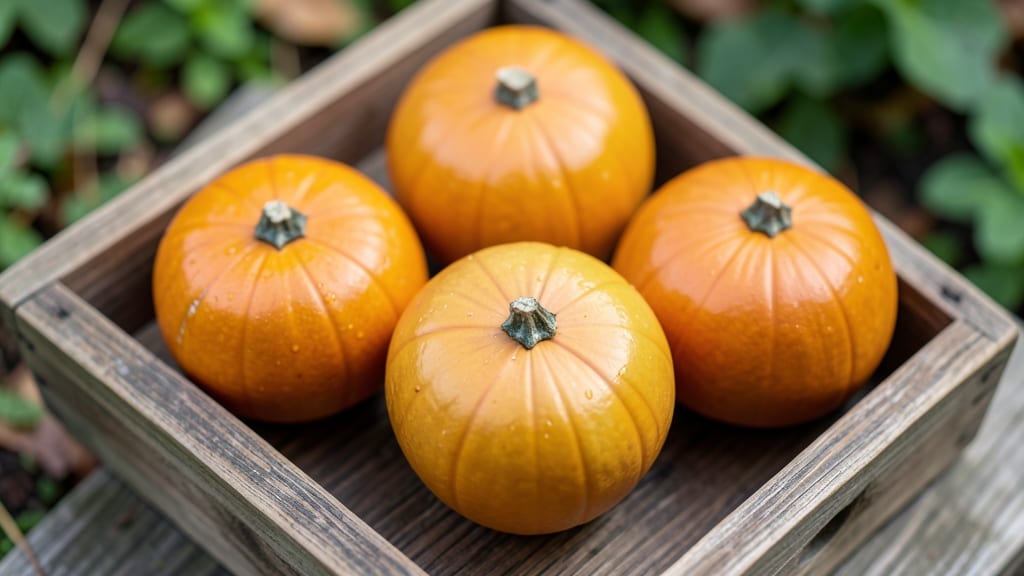
Struggling to tell your zucchini from your butternut squash? This visual guide showcases 10 distinct squash varieties—from edible summer squash to stunning ornamental types—with clear identifying features and growing tips for every gardener.
Zucchini with Ridged Green Skin
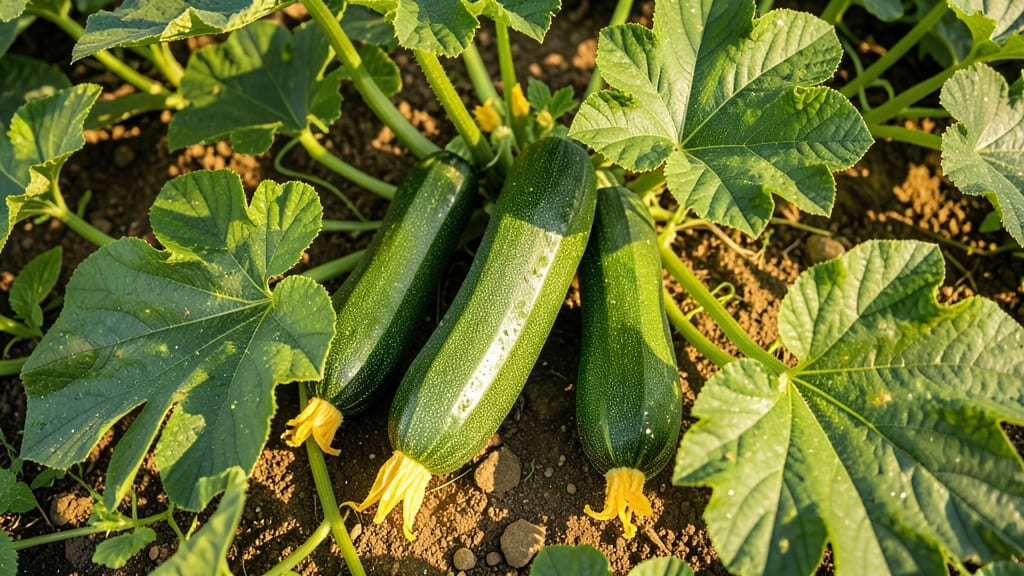
If you’re looking for the easiest squash to grow this summer, zucchini with its ridged green skin is your best bet. This crowd-pleaser thrives in warm weather and produces abundant harvests within just 45-55 days of planting, making it ideal for impatient gardeners.
The key to its success lies in harvesting young—when fruits are 6-8 inches long—for the best flavor and texture. Plant seeds in well-draining soil with full sun (6+ hours daily) and space them 2-3 feet apart. For extra productivity, try container growing—zucchini does well in 5-gallon pots with proper support.
Beginners love zucchini because it’s forgiving and versatile: slice it raw in salads, grill it whole, or spiralize it for noodles. Its fast growth and high yield make it a staple for first-time gardeners and seasoned pros alike. 🌱
Yellow Crookneck Squash Curves
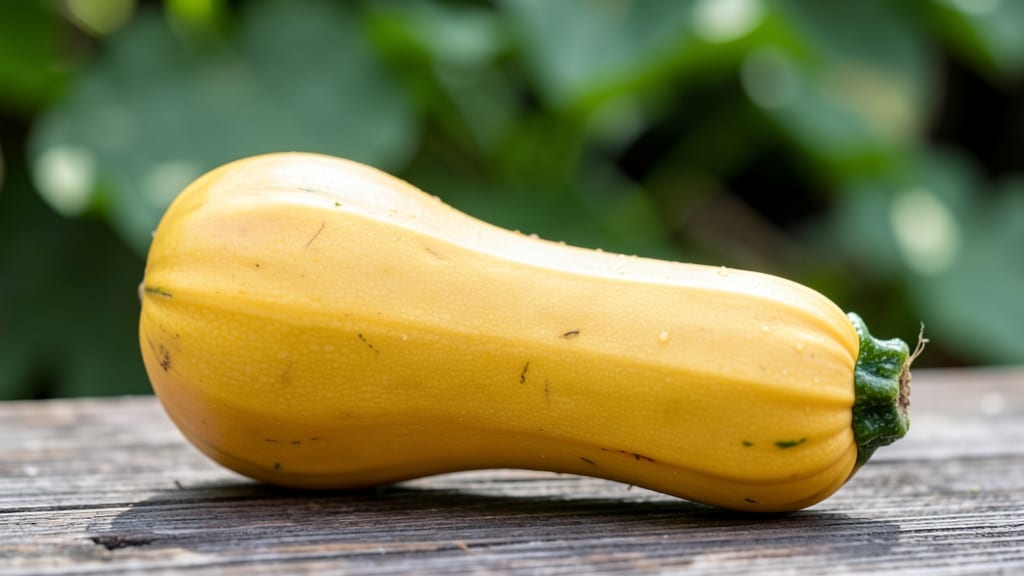
Ready to grow a squash with a distinctive curve and sweet, nutty flavor that sets it apart? The yellow crookneck squash is your answer—its elegant, S-shaped neck makes it instantly recognizable, while its tender flesh roasts beautifully for a caramelized finish.
This summer squash matures in just 45-55 days, giving you a quick harvest compared to other varieties. Plant seeds in well-draining soil with full sun exposure (6+ hours daily) and watch vines sprawl. The key to its signature curve? Harvest when the neck begins to bend—before it straightens—to preserve that iconic shape and maximize flavor.
Perfect for gardeners who love fast results and unique aesthetics, this squash thrives in warm climates and even tolerates light frost. Its golden hue and elegant form make it a standout in any garden display. 🌟
Butternut Squash Orange Blossom
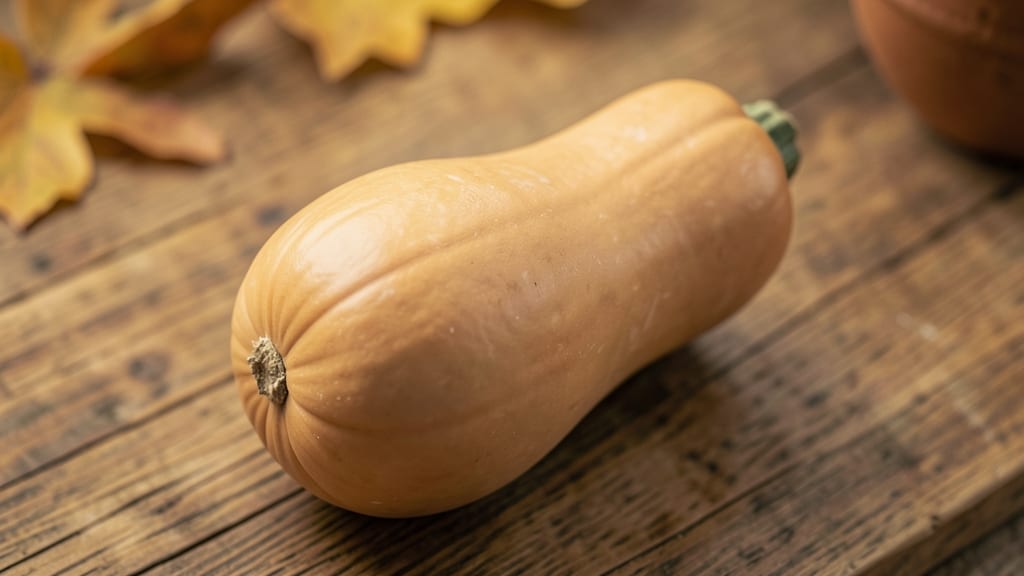
If you're looking for a winter squash that’s as beautiful as it is delicious, the Butternut Squash Orange Blossom variety delivers. Its smooth, tan skin and bulbous shape make it instantly recognizable, while its sweet, nutty flesh is a dream for soups, roasting, and baking.
This heirloom squash thrives in cool autumn weather, needing 90-120 days to mature. Plant seeds in full sun after the last frost, spacing them 2-3 feet apart to allow room for their vining growth. The tapered neck and orange blossom hue of the skin set it apart from other varieties, making it a standout in both gardens and harvest displays.
Perfect for gardeners who love long-term storage (up to 6 months in a cool, dry place) and versatile cooking, this squash is ideal for those who want both aesthetic appeal and culinary versatility. 🌟
Acorn Squash Ribbed Pattern
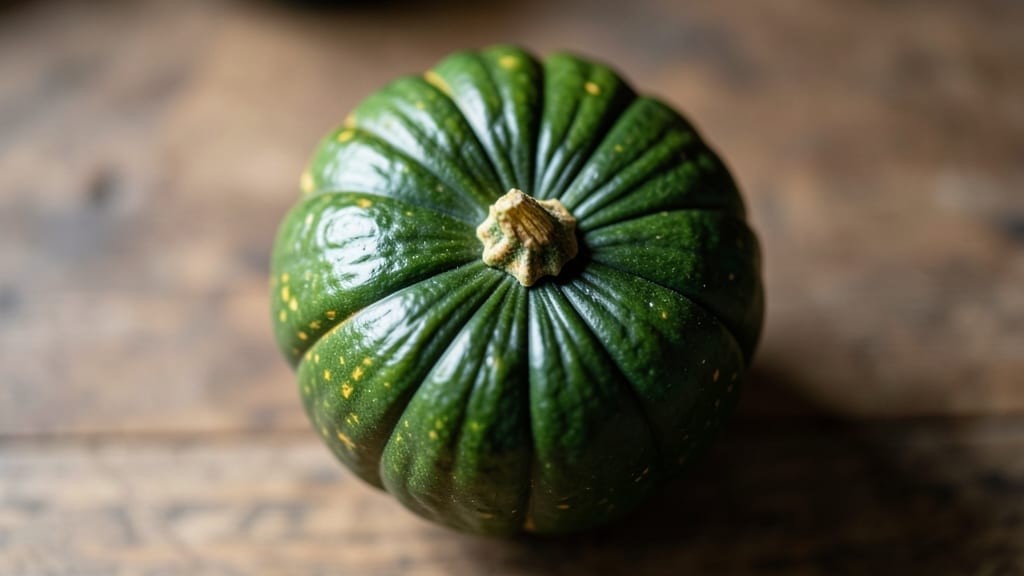
If you’ve ever mistook a pumpkin for a squash, the acorn squash is your visual and culinary wake-up call. This compact winter squash sports deep, pronounced ribs and a glossy green skin, but its true magic lies in its nutty, caramel-like flavor—far sweeter and more concentrated than its larger pumpkin cousins.
Perfect for roasting whole, acorn squash requires minimal prep (just halve, scoop out seeds, and bake) and delivers a rich, buttery texture ideal for soups, stuffing, or candied sides. Unlike pumpkins, it matures in 85–100 days, making it a quick harvest for fall gardens. Its small size (4–8 inches wide) also means it thrives in containers or small plots, saving space while adding visual interest.
Gardeners who love heirloom varieties or want a low-maintenance, high-reward crop will adore acorn squash—it’s the unsung hero of winter squash. 🌟
Spaghetti Squash Pale Yellow
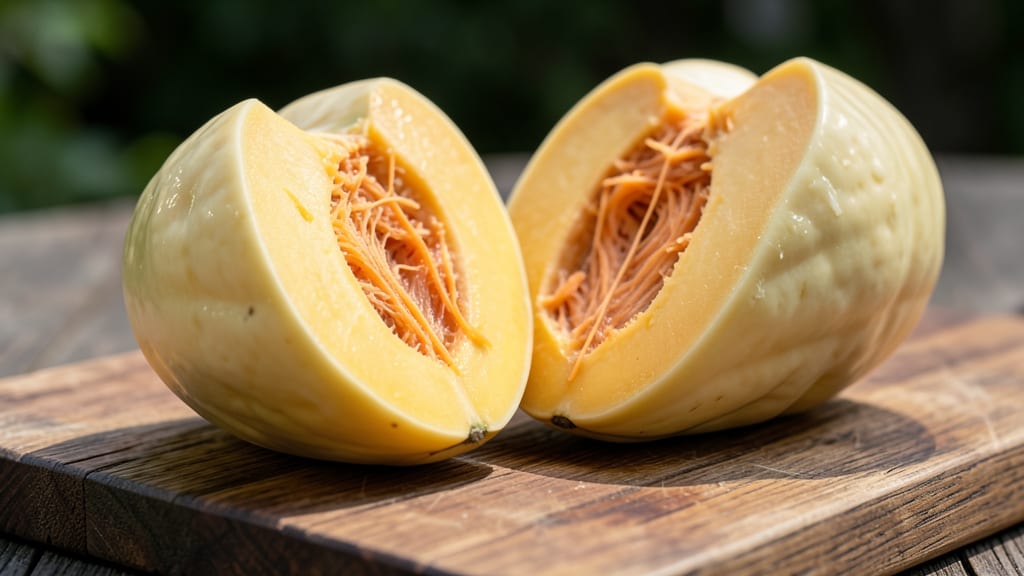
If you're looking for a squash that transforms into a low-carb pasta alternative when cooked, spaghetti squash is your secret weapon. Its pale yellow skin and fibrous orange strands make it instantly recognizable—and delicious—once halved and roasted.
This winter squash thrives in full sun (6-8 hours daily) and needs well-draining soil to prevent rot. Plant seeds after the last frost, spacing them 2-3 feet apart in hills for better airflow. The stringy interior is its standout feature, offering a nutty, mild flavor that pairs perfectly with marinara or olive oil.
Perfect for gardeners who love dual-purpose plants—use it for meals or as a striking centerpiece when whole. The pale yellow rind adds a cheerful pop to fall displays! 🌟
Delicata Squash Striped Skin
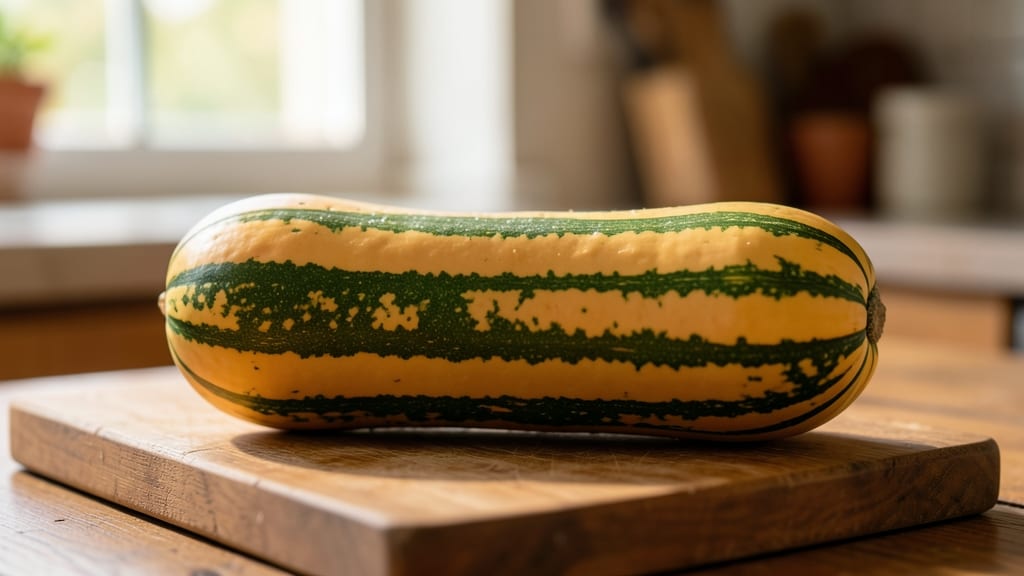
Tired of peeling squash before roasting? Meet the delicata squash, nature’s no-peel wonder with its striking alternating green and yellow stripes that make it as beautiful as it is delicious. This winter squash thrives in cooler climates and stores for months, making it a gardener’s dream for fall harvests.
Harvest when the skin turns fully striped and firm to the touch—typically around 80-90 days after planting. The edible skin adds a subtle sweetness and crunch, while the flesh inside is creamy and nutty, perfect for roasting whole or cubed. Plant in full sun with well-draining soil, and watch for the classic elongated shape that’s smaller than a butternut but packed with flavor.
Urban gardeners and small-space growers will love this variety—it fits neatly in containers and delivers a high-yield harvest with minimal fuss. 🌟
Cushaw Squash Dark Green
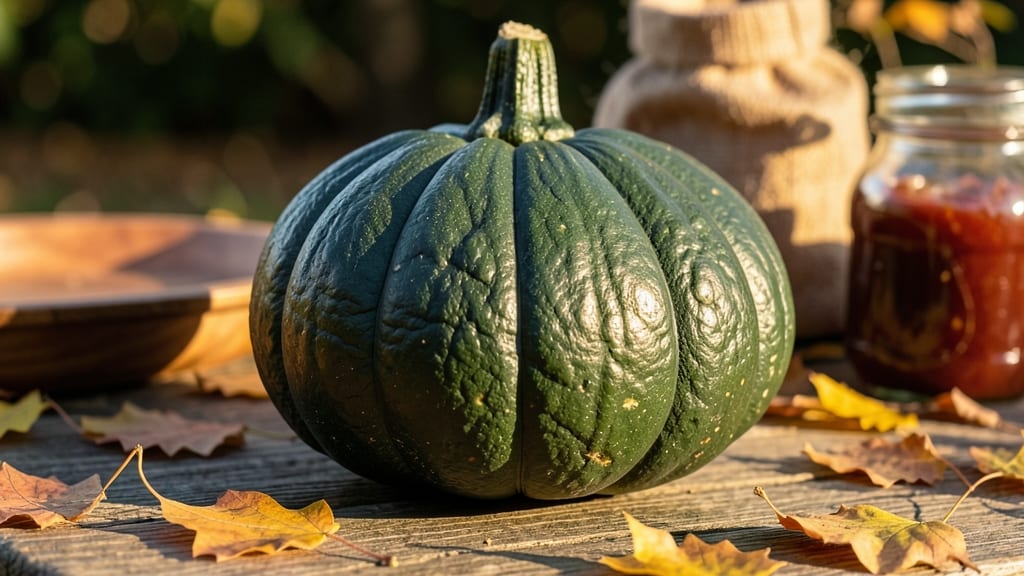
If you're looking for a squash that's as tough as it is tasty, cushaw squash is your Southern garden star. This heirloom variety stands out with its thick, rough, dark green skin and sweet, dry flesh that's a favorite in traditional pies and preserves.
Cushaws thrive in warm climates and need plenty of space—plant them in full sun with well-draining soil. Their vines spread widely, so give them at least 3 feet of diameter. The key to harvesting is waiting until the skin turns a deep, matte green and feels hard when pressed—this usually happens around 90-100 days after planting.
This variety is perfect for gardeners in the Southeast who love heirloom flavors and don't mind waiting for a rewarding harvest. Its long storage life makes it a pantry staple too! 🌱
Ornamental Cucurbita Pepo
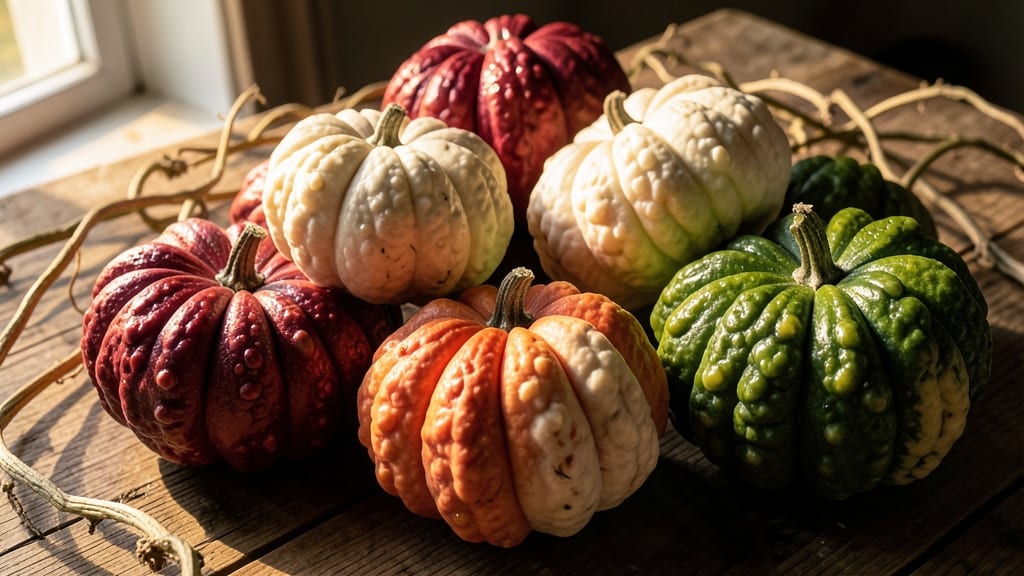
Skip the kitchen and embrace the ornamental Cucurbita pepo—these warty, ribbed beauties are pure autumn eye candy. Unlike their edible cousins, these squash varieties shine as fall centerpieces, with colors ranging from deep red to creamy white and vibrant green.
Plant seeds after your last frost in full sun (6-8 hours daily) and watch them flourish into textured, sculptural fruits by October. Their non-edible flesh means no harvest stress—just pure decorative impact. Varieties like 'Jack Be Little' and 'Autumn Gold' add height and drama to garden beds or porch displays.
Perfect for gardeners who love seasonal flair without the harvest hassle, these squash thrive in cool weather and pair beautifully with chrysanthemums or pumpkins. 🌻
Hubbard Squash Blue Gray
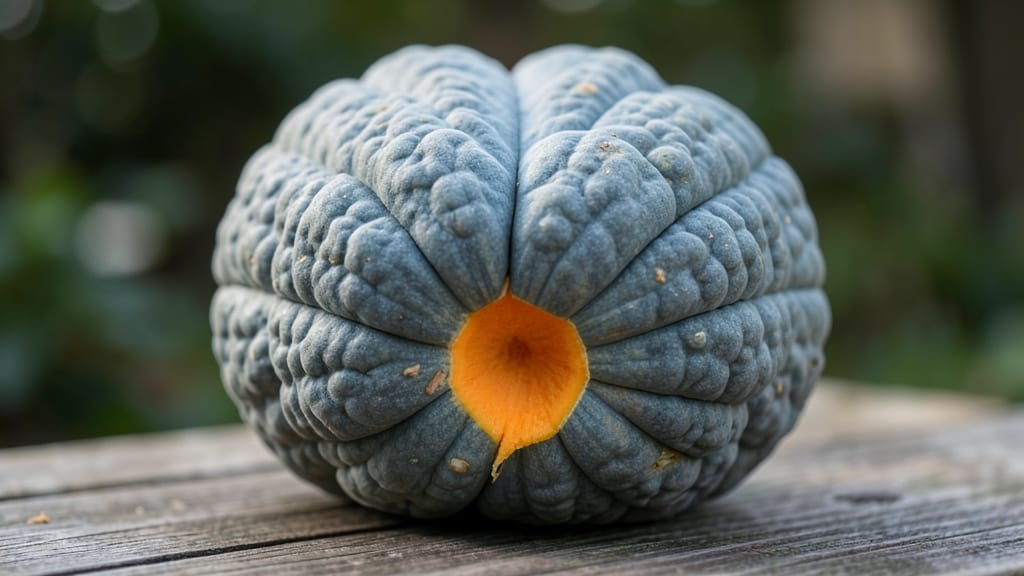
Looking for a squash that’s as striking in the garden as it is in the kitchen? The Hubbard squash stands out with its blue-gray, warty skin and dense, sweet orange flesh—a true heirloom beauty that’s as functional as it is decorative.
This winter squash thrives in cool weather and stores for months, making it perfect for fall and winter harvests. Its thick rind protects the flesh, which is ideal for baking into pies, breads, or roasting whole. Plant in full sun with well-draining soil, and watch it grow into a 30-50 pound centerpiece for your garden and pantry.
Gardeners who love long-term storage and versatile cooking will adore Hubbard squash—it’s a showstopper in both the garden and the kitchen. 🌟
Patridge Pumpkin Small Size

Looking for a pumpkin that’s perfect for individual servings without the bulk? Meet the Patridge pumpkin, a miniature powerhouse with smooth, glossy skin and dense, sweet flesh that’s ideal for pies, roasting, or even fresh eating. These tiny treasures pack all the flavor of their larger cousins in a compact package.
Growing Patridge pumpkins is a breeze—they thrive in full sun (6-8 hours daily) and well-draining soil, maturing in about 90-100 days. Their smooth, ribbed skin comes in shades of orange and green, and they typically weigh just 1-3 pounds, making them easy to handle. The flesh is rich, sweet, and less watery than many larger pumpkins, perfect for baking or carving small jack-o'-lanterns.
These pumpkins are a fantastic choice for small gardens, containers, or even urban spaces. Their compact size means they take up less room than traditional pumpkins, and their versatile uses make them a must-have for both culinary and decorative projects. Plus, they’re a hit with kids and beginners! 🌱