
Propagation
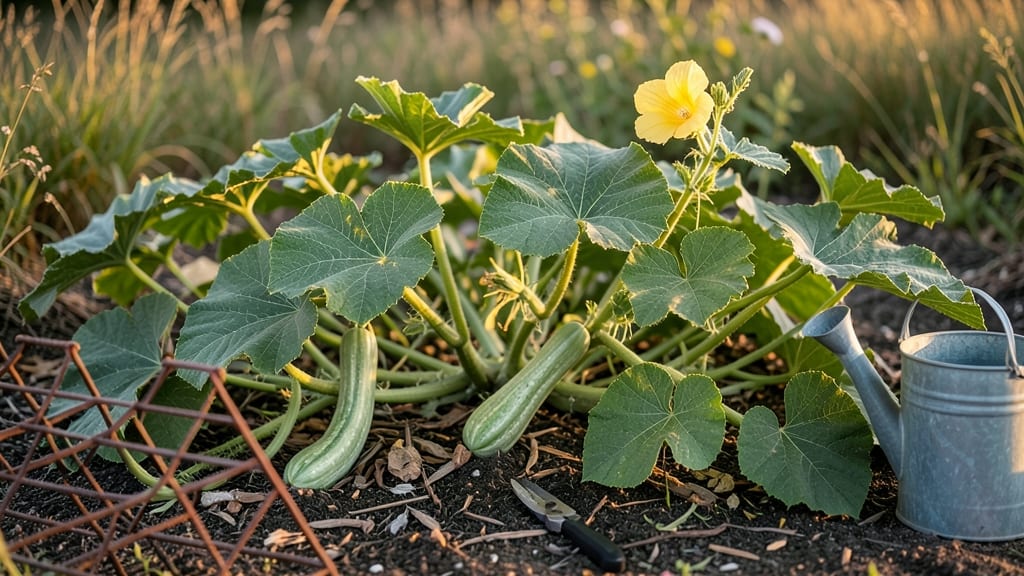
Trumpet squash seeds sprout fastest in warm soil—75°F or higher—so don’t rush planting them too early. 🌱 I’ve learned the hard way that cold soil means waiting weeks for those first tiny leaves, and nobody wants to play the germination waiting game.
The key is timing: wait until your last frost date has passed and soil temperatures are steady before dropping seeds in. These vines grow fast—expect 6-foot runners in just a few weeks—so plan your garden layout with space in mind.
A trellis or sturdy fence will save your back and keep fruits off the ground, where they’re less likely to rot. Trumpet squash thrives in full sun (at least 6-8 hours daily), but even partial shade works if you’re in a hotter climate.
Once planted, keep soil consistently moist but not soggy—think damp sponge, not swamp. Water at the base to avoid fungal issues, and mulch to retain moisture. The first harvest comes 90-100 days after planting, when squash reach 12-18 inches long and turn a deep, glossy green.
Pair trumpet squash with beans or nasturtiums to deter pests, and avoid planting near potatoes. The real secret? Patience with the early stages—those first sprouts are worth the wait for the sweet, nutty harvest that follows.
📚 In This Guide
- What you need
- Instructions
- Tips and common mistakes
- Wrapping up and next steps
What you need
- ● Trumpet squash seeds: 3–5 seeds (non-GMO, heirloom varieties preferred for best results).
- ● Seed-starting containers: Biodegradable pots (3–4 inches deep) or
- ● Seed trays with drainage holes (6–12 cells).
- ● Seed-starting mix: Lightweight, sterile potting soil (avoid garden soil—it’s too dense!).
- ● Watering can or spray bottle: With a fine mist nozzle for gentle hydration.
- ○ Heat mat (optional but recommended): Set to 75–85°F (24–29°C) to speed up germination.
- ● Grow lights or sunny windowsill: 6–8 hours of light daily (south-facing window or LED grow lights).
- ● Plastic wrap or humidity dome: To retain moisture while seeds sprout.
- ● Fertilizer (after sprouting): Balanced organic fertilizer (e.g., 5-5-5) or compost tea.
- ● Transplanting tools: Small trowel or spoon for moving seedlings.
- ● Garden gloves: To protect your hands from soil and squash vines!
- ● Warm soil: Trumpet squash seeds germinate fastest in soil above 60°F (15°C)—wait until all frost risk has passed or use a heat mat indoors.
- ● Space: Trumpet squash vines spread 10–15 feet! Ensure they have room to sprawl or use a trellis.
- ● Patience: Germination takes 7–14 days—stay consistent with moisture and warmth!
Step-by-step instructions for growing trumpet squash from seeds
Here’s how to get those first sprouts popping in 7-10 days—no waiting months.
🌱 Step 1: Prep Seeds for Maximum Speed
Trumpet squash seeds germinate fastest when prepped right. Soak them in warm water (80-85°F) for 8-12 hours before planting. This softens the tough outer shell and jumpstarts growth. I use a small bowl of water and a plate to hold the seeds submerged—just don’t let them dry out during soaking.
After soaking, pat them dry gently with a paper towel. You’ll see them plump up slightly—that’s your signal they’re ready. Planting too dry slows germination, while over-soaking can rot them. The goal is just enough moisture to kickstart the process.
💧 Step 2: Plant in Warm, Well-Drained Soil
Trumpet squash thrives in 70-85°F soil. If your ground isn’t warm enough, use black plastic mulch or a seedling heat mat to warm the soil 2-3 weeks before planting. Dig a 1-inch deep hole and place 2-3 seeds per spot—you’ll thin later. Cover lightly with soil, but don’t press down too hard.
Water gently after planting, but avoid soaking the soil. You want it moist but not soggy—trumpet squash hates wet feet. A fine mist from a spray bottle works best. Keep the soil consistently damp until germination, which usually happens in 7-10 days if conditions are right.
☀️ Step 3: Provide Full Sun and Consistent Moisture
Once sprouts appear, move them to a spot with 6-8 hours of full sun daily. Trumpet squash needs plenty of light to grow strong and avoid leggy stems. If you’re starting indoors, use a grow light 2-3 inches above the seedlings for 12-14 hours a day.
Water deeply 1-2 times per week, keeping the soil evenly moist but never waterlogged. You’ll know it’s right when the top inch feels damp but not soaked. Mulch around the base to retain moisture and prevent weeds—this is especially important in hot climates where soil dries out fast.
✂️ Step 4: Thin and Support for Healthy Growth
When seedlings reach 2-3 inches tall, thin to the strongest one per spot. Use scissors to snip the weaker ones at the base—this prevents disturbing the roots of the remaining plant. Trumpet squash vines grow long and heavy, so install a trellis or sturdy cage early to support them as they climb.
Watch for yellowing leaves or stunted growth—these are signs of overwatering or poor drainage. Trumpet squash is sensitive to root rot, so ensure excess water drains away quickly. Fertilize lightly with a balanced organic fertilizer when flowers appear to encourage fruit production.
Tips & tricks for perfect trumpet squash germination
Here's what nobody tells you about speeding up those first sprouts—without the guesswork.
Soaking Secret: The 8-12 hour soak is your magic window—any longer risks rot, any shorter slows germination. I swear by a shallow bowl of warm water (80-85°F) with a plate to keep seeds submerged. Pro tip: Use a small mesh bag so you can easily lift them out without damaging the delicate shells.
Soil Temperature Matters: Trumpet squash seeds need soil between 70-85°F to germinate within that 7-10 day window. If your ground is cooler, invest in a seedling heat mat—it's worth the small cost. I've seen germination times stretch to 3 weeks in cold soil, and that's no fun when you're eager for harvest.
Thinning Technique: When seedlings hit 2-3 inches tall, don't yank them—snip at the base with clean scissors. This prevents disturbing the roots of your keepers. I've ruined entire batches by pulling too hard and damaging the remaining plants. Be gentle but decisive!
Pro Tips for Trumpet Squash Seeds
- Here's what nobody tells you about speeding up those first sprouts—without the guesswork.
- Soaking Secret: The 8-12 hour soak is your magic window—any longer risks rot, any shorter slows germination.
- Soil Temperature Matters: Trumpet squash seeds need soil between 70-85°F to germinate within that 7-10 day window.
Frequently asked questions
How long does it take for trumpet squash seeds to germinate?
Trumpet squash seeds typically sprout in 7–14 days when soil temperatures stay above 70°F (21°C). Warmth is key—use a heat mat or wait until after the last frost to plant outdoors. Patience pays off!
When is the best time to plant trumpet squash seeds?
Start seeds indoors 2–3 weeks before your last frost date (or direct-sow after soil warms to 60°F/15°C). Trumpet squash thrives in long, hot summers, so avoid early spring plantings—they hate cold!
What if my trumpet squash seeds won’t sprout?
Try these fixes: Check moisture (soil should stay damp but not soggy), test seed viability (soak in warm water—sinkers are good!), or replant if seeds are old (viability drops after 3–4 years). Sometimes, patience is the answer!
Can I grow trumpet squash in containers?
Yes! Use a large container (at least 5-gallon) with well-draining soil and support a trellis (they grow 10+ feet!). Just ensure it gets full sun (6–8 hours/day) and consistent water. Container squash still needs space to sprawl!
What’s the difference between trumpet squash and butternut squash seeds?
Trumpet squash seeds are longer, narrower, and more tapered than butternut’s rounded shape. Both are winter squash, but trumpet squash has thinner skin and a sweeter, less fibrous flesh. Save seeds from your harvest for next year!
Wrapping up and next steps
Growing trumpet squash from seeds is a rewarding journey—especially when you know the ideal conditions for fast, healthy sprouts! With warm soil, patience, and the right care, you’ll soon be harvesting vibrant, delicious squash. Whether you’re a seasoned gardener or a beginner, these tips will set you up for success.
Ready to dive in? Start by prepping your soil and planting those seeds—your future harvest (and tasty meals!) are just weeks away. Happy gardening! 🌱🎉