
Planting
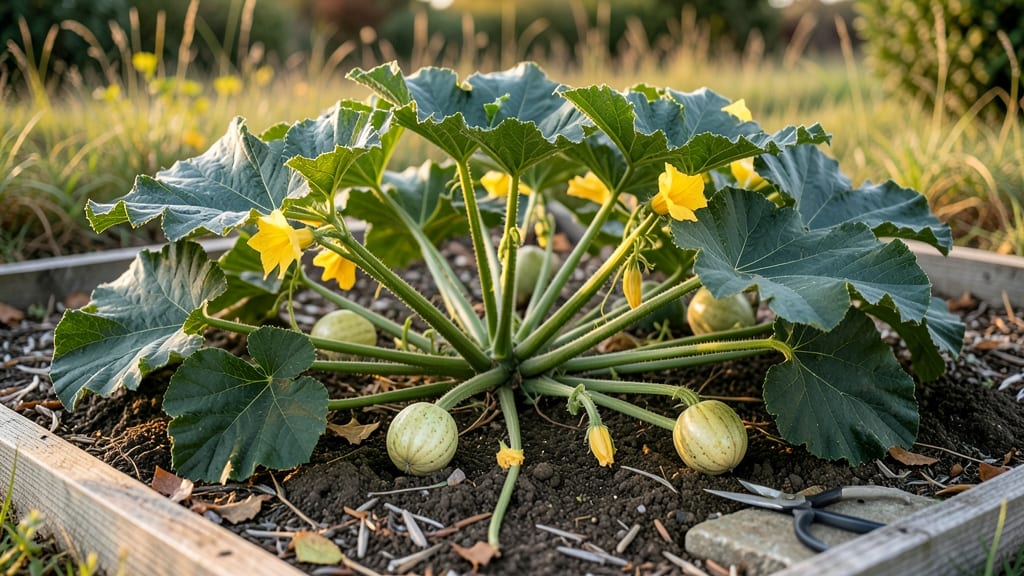
Your sweet meat squash plant will transform from tiny seedlings into golden, sweet dumplings in just 70 days—if you nail these early steps. 🌱 I’ve grown this variety for three summers now, and the secret isn’t fancy soil or perfect timing—it’s understanding how these vines really behave once they hit the ground.
Start with well-draining soil mixed with compost (no manure—it makes them bitter), and plant seeds 1 inch deep in hills spaced 3 feet apart. The vines sprawl fast, so give them room, or they’ll tangle into a green mess by July.
Water deeply twice a week once they sprout, but let the top inch dry between waterings—overwatering turns those sweet dumplings into mushy disappointments.
By day 50, you’ll see the first blossoms, and by day 70, you’ll be harvesting 1-2 pound squash with skin so tender it barely needs peeling. The flavor? A cross between sweet potato and butternut, but with a texture that’s shockingly like fresh-baked dumplings—hence the name.
(Yes, I know that sounds weird, but trust me.) This squash thrives in zones 3-10, handles heat better than most summer squash, and stores for weeks in a cool, dark spot. The biggest mistake? Letting them get too big—they’re best when 6-8 inches long.
Here’s how to keep them coming all season.
📚 In This Guide
- What you need
- Instructions
- Tips and common mistakes
- Wrapping up and next steps
What you need
- ● Sweet meat squash seeds – Choose a Cucurbita pepo variety like ‘Sweet Meat’ or ‘Sweet Dumpling’ (5–10 seeds per plant; 3–5 plants recommended for a family).
- ● Well-draining potting mix or garden soil – Aim for a loamy, fertile mix with a pH of 6.0–7.0. Add compost for extra nutrients!
- ● Containers or garden bed – If container-growing, use 5-gallon pots or larger (squash vines spread 3–5 feet). For in-ground planting, allocate 2–3 feet of space per plant.
- ● Organic fertilizer – A balanced 10-10-10 or compost tea to boost growth (follow package instructions).
- ● Mulch (straw or black plastic) – Helps retain moisture and suppress weeds.
- ● Garden trowel or transplanting spade – For planting seeds or seedlings.
- ● Watering can or hose with a gentle nozzle – Keep soil consistently moist but not soggy.
- ○ Gloves (optional) – Protects hands from prickly vines or dirt.
- ○ Trellis or cage (optional) – If you prefer vertical growth, use a 4–6 foot tall trellis to save space.
- ● Sunlight – Full sun (6–8 hours daily) is a must!
- ● Warm soil – Plant seeds only after the last frost when soil temps reach 70°F+.
- ● Patience – Sweet meat squash matures in 70–80 days, so plan ahead!
Step-by-step guide to growing sweet meat squash from plant
Here’s how to cultivate a thriving sweet meat squash plant that’ll deliver plump, flavorful fruits in just 70 days.
🌱 Step 1: Prepare the Planting Site
Sweet meat squash thrives in full sun, so choose a location with at least 6-8 hours of direct sunlight daily. Amend the soil with 2-3 inches of compost to ensure good drainage and fertility—these plants hate soggy roots. I like to work in a 5-10 gallon pot if space is limited, using a mix of 50% potting soil and 50% perlite for aeration.
Test the soil pH before planting—sweet meat squash prefers 6.0-6.8. If your soil is too acidic, add pelletized lime a few weeks ahead. Avoid fresh manure, which can burn tender roots. The ideal planting time is 2-3 weeks after your last frost date, once soil temperatures reach 60°F or warmer.
🌿 Step 2: Plant and Water Deeply
Dig a hole twice as wide as the root ball but only as deep as the container it came in. Gently remove the plant from its nursery pot and loosen any circling roots with your fingers. Place it in the hole so the top of the root ball sits just below soil level—burying the stem too deep invites rot.
Fill the hole with soil, pressing lightly to eliminate air pockets, then water deeply until moisture reaches 6 inches down. You’ll know it’s right when the soil surface looks slightly damp but not glistening. Mulch around the base with 2-3 inches of straw to retain moisture and suppress weeds. Keep the mulch 2 inches away from the stem to prevent rot.
☀️ Step 3: Maintain Consistent Care
Water 1-2 inches per week, adjusting for rainfall—sweet meat squash needs steady moisture but never soggy soil. I check by sticking my finger 1 inch deep; if it feels dry, it’s time to water. Drip irrigation or soaker hoses work best to avoid wetting leaves, which can spread disease. Fertilize every 3-4 weeks with a balanced 10-10-10 formula once vines start running.
Train vines along a trellis or fence if space is tight—this improves airflow and reduces disease risk. Prune any yellow or diseased leaves immediately with sterilized pruners, and remove male flowers (the ones with stems) to encourage more female blooms, which produce fruit. You’ll see first female flowers around 45 days—they’ll have tiny squash at their base.
⏰ Step 4: Harvest at Peak Ripeness
Sweet meat squash is ready to harvest 70-75 days after planting when fruits reach 6-8 inches long and develop a deep golden color. Gently twist or cut with pruners, leaving a 1-inch stem attached. Harvest in the morning for the best flavor and texture—fruits picked later in the day may be tougher.
Don’t wait too long, or the squash will turn stringy and lose sweetness. Store harvested squash in a cool, dry place (50-55°F) for up to 2 weeks. For longer storage, cure them by placing whole in a warm (85°F) spot for 10 days, then store in a dry, dark area for months. You’ll know they’re cured when the skin hardens and the stem end dries slightly.
Tips & tricks for perfect sweet meat squash growth
Sweet meat squash thrives when you pay attention to these often-overlooked details that make all the difference between a mediocre harvest and a bountiful one.
Sunlight Strategy: While 6-8 hours of sunlight is ideal, I've found that positioning your plants to capture morning sun (when UV rays are less intense) and afternoon shade in hot climates can actually increase fruit sweetness. If you're growing in containers, rotate them weekly to ensure even sun exposure on all sides—this prevents lopsided growth and maximizes yield.
Soil Temperature Tip: The 60°F soil temperature requirement is non-negotiable, but here's what nobody tells you: if your soil is cooler than this, even after the last frost, consider using black plastic mulch or a cloche to create a microclimate. I've seen plants establish roots 2 weeks faster this way, especially in cooler spring conditions. The key is maintaining that warmth at the root zone.
Watering Wisdom: That 1-2 inches per week guideline works for average conditions, but real talk—your watering needs change as the plant matures. Young seedlings need consistent moisture, but once vines start running, you can let the top inch of soil dry slightly between waterings. I use a moisture meter now and adjust based on actual soil conditions rather than relying on the calendar.
Harvest Timing: The 70-75 day window is your sweet spot, but here's the secret: harvest in the morning when sugars are at their peak. I've noticed that squash picked after 10am often develops a slightly tougher texture, even if they're the same size and color. If you must harvest later in the day, pick the largest fruits first—they'll be sweeter and more developed.
Pro Tips for Sweet Meat Squash Plant
- Sweet meat squash thrives when you pay attention to these often-overlooked details that make all the difference between a mediocre harvest and a bountiful one.
- If you're growing in containers, rotate them weekly to ensure even sun exposure on all sides—this prevents lopsided growth and maximizes yield.
- I've seen plants establish roots 2 weeks faster this way, especially in cooler spring conditions.
Frequently asked questions
Got questions about growing sweet meat squash?
You’re not alone! Here are answers to the most common queries to help you grow this delicious, fast-maturing squash like a pro.
How do I know when sweet meat squash is ready to harvest?
Sweet meat squash is typically ready to harvest 70–80 days after planting. Look for firm, glossy skin and a deep, rich color (usually yellow or green). Gently press a vine—if it snaps easily, it’s time! Harvest in the morning for the best flavor and texture.
What’s the ideal temperature for growing sweet meat squash?
Sweet meat squash thrives in warm weather—plant after the last frost when soil temperatures reach at least 60°F (15°C). It grows best in 70–90°F (21–32°C) ranges. If nights dip below 50°F (10°C), consider using row covers or black plastic mulch to protect young plants.
Can I eat the flowers or leaves of sweet meat squash?
Yes! Both the flowers (edible and delicious) and young leaves (tender and mild) are safe to eat. Flowers can be fried, stuffed, or added to salads, while leaves are best used like spinach in soups or stir-fries. Just avoid older, tough leaves.
What pests should I watch for with sweet meat squash?
Common pests include cucumber beetles, squash bugs, and aphids. To prevent damage:
- Use row covers early in the season.
- Handpick pests or spray with neem oil.
- Rotate crops yearly to reduce soil-borne issues.
What can I plant after sweet meat squash?
Sweet meat squash is a heavy feeder, so follow it with light-rooted crops like:
- Leafy greens (spinach, lettuce).
- Herbs (basil, cilantro).
- Radishes or beans.
Wrapping up and next steps
Growing a sweet meat squash plant is a rewarding journey—packed with flavor, nutrition, and the joy of homegrown produce! With just 70 days from seed to harvest, you’ll enjoy bountiful yields of tender, sweet squash perfect for roasting, grilling, or savoring raw.
Whether you’re a seasoned gardener or a curious beginner, this fast-growing variety makes it easy to turn your garden (or balcony!) into a harvest hub.
Ready to dive in? Start by gathering your seeds and soil—then plant with confidence! Share your progress with fellow gardeners or experiment with recipes once your squash is ready. Happy growing! 🌱✨