
Picking
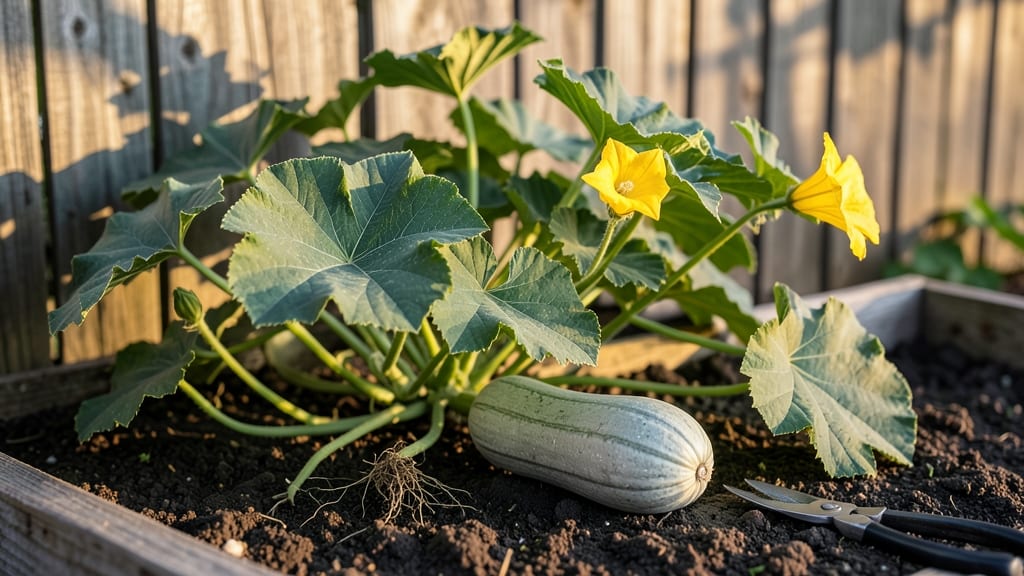
Grey zucchini thrives where regular zucchini fails—cool mornings, partial shade, and even early spring plantings. 🌱 I’ve grown it for three years now, and it’s the only summer squash that survives my shady backyard without bolting or turning bitter.
The secret lies in its cold-hardy genetics and ability to produce in less-than-perfect conditions. Unlike standard zucchini, Grey Zucchini tolerates temperatures down to 28°F and still yields 10-15 pounds of fruit per plant.
It prefers morning sun and afternoon shade, making it perfect for urban gardens, north-facing plots, or areas with intense afternoon heat. The key is keeping soil consistently moist but not soggy—this variety hates dry spells.
By mid-July, you’ll be harvesting 6-8 inch fruits with dark grey-green skin and tender, sweet flesh. The plants stay productive for 8-10 weeks, and the vines resist common squash diseases like powdery mildew better than most varieties.
Even my neighbor’s overcrowded garden produced a harvest when her regular zucchini failed. Works in containers too—just use a 5-gallon pot with good drainage. Here’s how to grow yours reliably, even in less-than-ideal conditions.
📚 In This Guide
- What you need
- Instructions
- Tips and common mistakes
- Wrapping up and next steps
What you need
- ● Grey zucchini seeds – 10-15 seeds (or 3-4 plants if buying seedlings). Look for Cucurbita pepo varieties labeled "grey" or "Italian heirloom."
- ● Well-draining potting mix – 5-10 gallons (or compost-amended garden soil with a pH of 6.0-6.8). Avoid heavy clay!
- ● Containers or garden space – At least 2-3 feet of width and depth per plant. Containers should have drainage holes.
- ● Organic compost – 1-2 cups per planting hole to enrich soil.
- ● Mulch (straw or shredded leaves) – 2-3 inches to retain moisture and suppress weeds.
- ● Garden trowel or small shovel – For planting seeds or seedlings.
- ● Watering can or hose with a gentle spray nozzle – Zucchini loves consistent moisture!
- ○ Fertilizer (balanced 10-10-10 or compost tea) – Optional but helpful for faster growth.
- ● Garden gloves – Protects hands from prickly stems and soil.
- ○ Row covers or shade cloth (30-50%) – Optional for early planting in cooler climates.
Step-by-step instructions for growing grey zucchini in shade
Grey zucchini thrives where others fail—here’s how to coax reliable harvests from partial shade.
🌱 Step 1: Select and Prepare the Planting Site
Grey zucchini tolerates cooler temperatures and partial shade better than most varieties, but it still needs at least 4-6 hours of morning sun for optimal growth. Choose a spot with dappled sunlight—think under fruit trees or near a north-facing wall. The soil should drain well, so avoid low-lying areas where water pools after rain.
Work in 2-3 inches of compost to enrich the soil before planting. Grey zucchini prefers slightly acidic to neutral soil (pH 6.0-7.0), so test your soil if possible. If your garden soil is heavy clay, mix in 1 part perlite or vermiculite to improve aeration. This helps prevent root rot, which is a common issue in shaded conditions.
🌱 Step 2: Start Seeds Indoors or Direct-Sow After Frost
Grey zucchini seeds germinate best when soil temperatures reach 60-65°F, so wait until 2-3 weeks after your last frost date before direct-sowing. Plant seeds 1 inch deep and 2-3 feet apart—this variety grows bushier than traditional zucchini, so spacing prevents overcrowding and disease. If your growing season is short, start seeds indoors 4-6 weeks before transplanting in biodegradable pots to avoid root disturbance.
Water the soil thoroughly after planting, then keep it consistently moist until germination (7-10 days). Avoid overhead watering once seeds sprout—use a soaker hose or drip irrigation to prevent fungal diseases like powdery mildew. Thin seedlings to the strongest plant per spot if you accidentally sow too many.
☀️ Step 3: Provide Support and Manage Shade Gradually
Grey zucchini vines can get top-heavy, so install cages or trellises at planting time to support the plants as they grow. If your shade is from trees, prune branches to allow more filtered light as the season progresses. Too much shade (less than 4 hours of sun) will result in pale, stringy fruit with poor flavor.
Fertilize lightly with a balanced organic fertilizer (10-10-10) when vines start to run, but avoid over-fertilizing—this encourages leafy growth at the expense of fruit. Instead, focus on mulching with straw to retain moisture and regulate soil temperature. Grey zucchini is cold-hardy, but mulch helps protect roots if late frosts sneak in.
💧 Step 4: Water and Harvest for Continuous Production
Consistent moisture is key—water deeply 1-2 times per week, aiming for 1 inch of water per week, and more during dry spells. Grey zucchini produces prolifically, so harvest every 2-3 days to encourage more fruit. Use a sharp knife or pruners to cut stems, leaving a small stub to prevent rot.
Harvest when squash are 6-8 inches long—this variety tastes best when young and tender. Overgrown zucchini becomes seedy and woody. Watch for yellowing leaves as a sign of overwatering or nutrient deficiency. If leaves curl, it’s often a sign of aphids or cucumber beetles—spray with neem oil or introduce beneficial insects like ladybugs to keep pests in check.
✂️ Step 5: Extend the Season with Simple Care
Grey zucchini is one of the few summer squash varieties that tolerate light frosts, so you can often harvest well into fall. As temperatures drop below 50°F at night, cover plants with frost blankets for a few extra weeks of production. Remove old, diseased leaves regularly to improve airflow and reduce fungal risks.
At the end of the season, compost plant debris to prevent soil-borne diseases next year. Save seeds from your healthiest plants—grey zucchini is an open-pollinated variety, so saved seeds will grow true. With proper care, you’ll enjoy a bountiful, shade-friendly harvest that outlasts most summer squash varieties.
Tips & tricks for perfect grey zucchini in shade
Here’s what I’ve learned after growing grey zucchini in less-than-ideal light—these tricks make all the difference when sunlight is limited.
Light Management: The 4-6 hours of morning sun requirement is non-negotiable for flavor, but you can strategically increase light exposure. If your shade comes from trees, prune branches gradually throughout the season to allow more filtered light without shocking the plant. I’ve seen grey zucchini produce just as well under 5 hours of morning sun when trees are pruned back in stages—just avoid sudden exposure that can scorch leaves.
Soil Prep Strategy: That 2-3 inches of compost isn’t just about nutrients—it’s about creating the right moisture balance in shaded conditions. Mix in 1 part perlite or vermiculite to prevent compaction, which grey zucchini roots hate. I’ve found that adding a handful of worm castings to the planting hole gives plants an instant nutrient boost that helps them compensate for lower light levels. The key is keeping the soil loose and well-draining to prevent root rot.
Germination Hack: The 7-10 day germination window can feel like forever, especially when you’re eager to see growth. To speed things up, soak seeds overnight before planting—they’ll sprout in just 5-7 days. Place them in a damp paper towel in a warm spot (around 70°F) for 12 hours first. This works particularly well if you’re starting seeds indoors where warmth is easier to control.
Pest Prevention: Grey zucchini’s bushy growth makes it more susceptible to aphids and cucumber beetles than traditional varieties. I’ve had the most success with preventive measures: sprinkle diatomaceous earth around the base of plants at planting time, and plant companion flowers like marigolds nearby. The early morning watering (before 10am) helps keep pests away too—many garden insects are less active when plants are dry.
Pro Tips for Summer Squash Grey Zucchini
- Here’s what I’ve learned after growing grey zucchini in less-than-ideal light—these tricks make all the difference when sunlight is limited.
- Light Management: The 4-6 hours of morning sun requirement is non-negotiable for flavor, but you can strategically increase light exposure.
- Soil Prep Strategy: That 2-3 inches of compost isn’t just about nutrients—it’s about creating the right moisture balance in shaded conditions.
Frequently asked questions
about growing and using grey zucchini—your go-to for shade-friendly, cold-hardy summer squash!Is grey zucchini really easier to grow than regular zucchini?
Grey zucchini thrives in partial shade and tolerates cooler temperatures better than standard varieties, making it ideal for areas with shorter growing seasons or less sunlight. While it’s not completely low-maintenance, its resilience means fewer failed harvests due to heat stress or poor light.
How long does it take for grey zucchini to produce fruit?
From seed, expect grey zucchini to start flowering in 45–55 days and produce fruit within 10–14 days after pollination. If starting with transplants, harvests can begin as early as 50–60 days, depending on weather and growing conditions.
Can I substitute grey zucchini for regular zucchini in recipes?
Grey zucchini has a similar texture and mild flavor to standard zucchini, making it a perfect 1:1 swap in grilling, baking, or sautéing. Its slightly firmer skin holds up well to roasting, while its tender flesh works great in soups, muffins, or spiralized dishes.
Will grey zucchini survive a light frost?
While grey zucchini is more cold-tolerant than most summer squash, it won’t survive hard frosts (below 25°F/-4°C). However, it can handle light frosts (28–32°F/-2 to 0°C) if protected with row covers or mulch. Harvest before temperatures drop to ensure the best flavor and texture.
Why aren’t my grey zucchini flowers producing fruit?
If your flowers aren’t setting fruit, check for these common issues:
- Pollination problems: Hand-pollinate with a small brush if bees are scarce.
- Temperature stress: Zucchini needs warm days (70°F+/21°C+) to pollinate well.
- Over-fertilizing with nitrogen: Too much leafy growth = fewer flowers. Balance with phosphorus/potassium.
Try thinning crowded plants for better airflow and fruit development!
Wrapping up and next steps
Growing grey zucchini is a fantastic way to enjoy a reliable, cold-hardy harvest—even in partial shade! This versatile summer squash thrives with minimal fuss, offering tender, flavorful produce perfect for salads, grilling, or roasting.
Whether you're a seasoned gardener or just starting, its adaptability makes it a must-try for any home garden. 🌱
Ready to plant your own? Grab your seeds, prep your soil, and get growing—your kitchen (and taste buds) will thank you! Start your grey zucchini journey today and savor the rewards of a homegrown harvest.