
Pests and Diseases
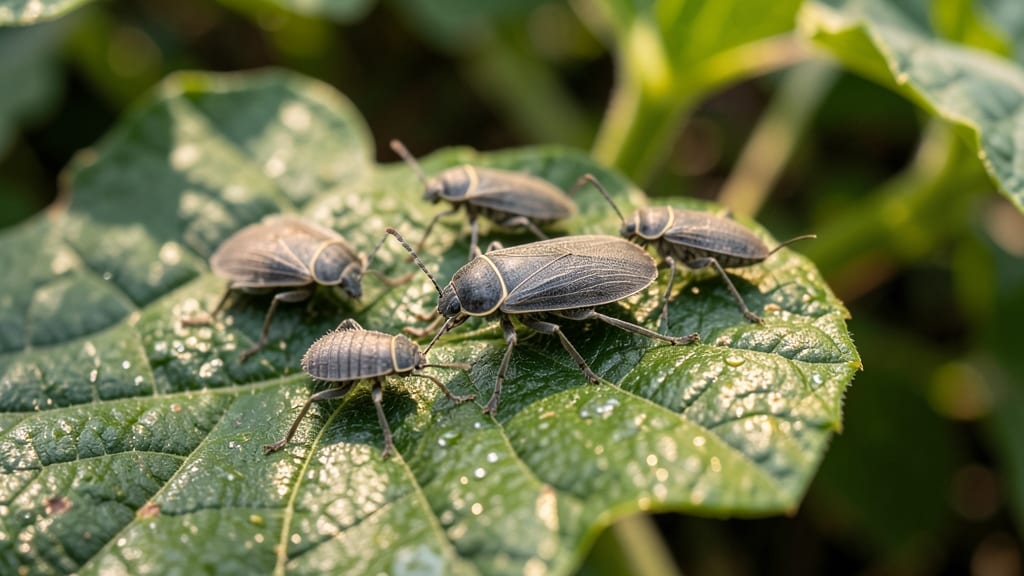
Summer squash bugs turn your thriving vines into skeleton leaves overnight. 🌱 I’ve battled these stubborn pests for years, and the key is acting fast—before they strip your plants bare.
These shield-backed invaders hide under leaves by day, only to emerge at dusk to feast on sap, leaving behind sticky honeydew and black sooty mold. The worst part? They multiply quickly, so one missed bug becomes dozens.
But here’s the good news: natural methods like neem oil sprays, handpicking eggs, and releasing beneficial predators (like minute pirate bugs) can stop them before they take over. I’ve seen gardens recover completely when I catch them early.
You’ll spot them first as tiny yellow eggs clustered on leaf undersides, then as adults with grayish shields. The damage starts with wilting vines and yellowing leaves—classic signs they’ve already moved in. Act now, and you’ll save your harvest without harsh chemicals.
This works for zucchini, yellow squash, and pumpkins too. Let’s get those bugs under control before they ruin your summer garden.
Root Causes Of Squash Devastation
Summer squash bugs—those pesky Anasa tristis and Eutettix tenella—don’t just appear out of nowhere. They’re drawn to your garden by a mix of environmental cues, plant vulnerabilities, and even your own gardening habits.
Understanding these triggers is the first step to outsmarting them. Let’s break down the real reasons these critters target your squash, zucchini, and pumpkins like an all-you-can-eat buffet. 🍆🐛
Squash bugs have a sixth sense for plants that are already struggling. Overripe, injured, or nutrient-deficient squash plants release stress signals—like chemical distress calls—that attract these bugs. Here’s why it happens:
- Sap-rich weak spots: Bugs love plants with damaged leaves or stems because the exposed sap is an easy meal. Even a light hailstorm or improper harvesting can create entry points.
- Nutrient imbalances: Plants low in nitrogen or phosphorus become softer and more appealing. A soil test can reveal deficiencies before bugs do.
- Overripe fruit: Squash bugs prefer squash that’s past its prime—think mushy, discolored, or cracked fruit. They lay eggs in these spots, ensuring their nymphs have a built-in food source.
Actionable fix: Harvest squash regularly, avoid overwatering (which weakens stems), and use mulch to protect plants from soil-borne stress. 🌡️
Squash bugs thrive in warm, humid conditions—the kind of sticky, sultry weather that makes you reach for a fan. Here’s how your garden becomes their personal spa:
- Stagnant water: Bugs lay eggs in damp soil or leaf litter. Poor drainage or overhead watering creates the perfect breeding ground.
- Dense foliage: Thick vines and leaves trap heat and moisture, mimicking their natural habitat in tropical regions.
- Late-season heatwaves: As summer peaks, squash bugs become more aggressive because their life cycle accelerates in warmth.
Actionable fix: Space plants for airflow, water at the base (not leaves), and remove plant debris where eggs hide. A fan on hot days can disrupt their comfort zone! 💨
Squash bugs are specialized pests—they only target plants in the Cucurbitaceae family (think squash, cucumbers, melons, and pumpkins). Here’s why they zero in on these crops:
- Chemical attraction: Cucurbit plants produce compounds like cucurbitacins (in bitter varieties), but squash bugs have evolved to ignore or even prefer them.
- No natural predators nearby: Unlike other pests, squash bugs face fewer threats in monoculture gardens (where only cucurbits are planted).
- Larval feeding habits: Nymphs cluster on the undersides of leaves, where they chew through veins—something only cucurbits can’t easily recover from.
Actionable fix: Interplant with non-cucurbit crops (like herbs or marigolds) to confuse them, or rotate crops yearly to break their life cycle. 🌻
Pro tip: If you’ve had squash bugs before, start treatments early—adults emerge in late spring and lay eggs within weeks. Don’t wait for visible damage! ⏳
Natural Ways to Stop Squash Bugs
Squash bugs may seem like a tough nut to crack, but with the right approach, you can reclaim your garden without resorting to harsh chemicals. Below, we’ve mapped out practical solutions tailored to the root causes of these pesky invaders—from early detection to long-term prevention.
Cause: Small populations go unnoticed until damage is done. Fix:
- 👀 Scout regularly: Check the undersides of leaves and stems, especially near the base of plants, every 2–3 days. Adults are about ½-inch long with grayish shields and orange legs.
- 🪲 Handpick bugs: Drop them into soapy water (1 tbsp dish soap per gallon) to kill them instantly. Focus on eggs (tiny, metallic gold clusters) laid on leaf undersides or stems.
- 🕒 Time it right: Early morning or evening is best—bugs are sluggish and easier to spot.
Pro Tip: 💡 Use a white tray or board under plants to spot fallen adults or eggs more easily.
Cause: Adults overwinter in garden debris or nearby weeds. Fix:
- 🍺 Beer traps: Bury a shallow dish filled with beer near squash plants. The yeast scent attracts bugs, which drown. Refresh every 2 days.
- 🛡️ Row covers: Use floating row fabric (lightweight, breathable) over young plants to block adults while allowing pollination. Remove when flowers appear.
- 🌿 Mulch strategically: Apply straw or grass clippings around plants to deter egg-laying. Avoid thick mulch piles where bugs hide.
Pro Tip: 🌡️ Heat traps work too! Place a black plastic sheet over plants on sunny days—bugs climb up and get trapped.
Cause: Chemical resistance is common; bugs need non-toxic alternatives. Fix:
- 🌿 Neem oil spray: Mix 1 tbsp neem oil + 1 tsp mild soap + 1 quart water. Spray directly on bugs and leaf undersides at dusk (avoid spraying flowers). Reapply every 5–7 days.
- 🍋 Citrus spray: Blend peels of 4 lemons + 1 quart water, strain, and spray on plants. The scent repels bugs temporarily.
- 🌶️ Hot pepper spray: Combine 2 tbsp cayenne pepper + 1 tsp dish soap + 1 quart water. Spray on foliage (test on a small area first—may burn tender leaves).
Pro Tip: ✨ Rotate sprays weekly to prevent bugs from building resistance.
Cause: Poor garden hygiene invites repeated infestations. Fix:
- 🌱 Crop rotation: Plant squash in a different spot each year to disrupt bug life cycles.
- 🌱 Trap cropping: Plant a sacrificial patch of squash or cucumbers away from your main garden. Monitor and remove bugs here first.
- 🌱 Cleanup in fall: Remove all plant debris, vines, and weeds where bugs overwinter. Compost only after freezing (or burn if possible).
Pro Tip: 🎯 Interplant with herbs like basil or thyme—their strong scents deter squash bugs naturally.
To keep squash bugs at bay all season:
- 🌱 Start with healthy plants: Buy resistant varieties like ‘Straightneck’ or ‘Early Prolific’ squash.
- 🌱 Water at the base: Avoid wetting foliage to discourage egg-laying.
- 🌱 Monitor weather: Bugs thrive in hot, dry conditions—increase watering if needed.
- 🌱 Invite predators: Lady beetles, parasitic wasps, and spiders eat squash bug eggs. Avoid pesticides that harm them!
Final Note: Consistency is key—combine manual removal + traps + sprays + cultural fixes for the best results. With patience, your squash patch can stay bug-free! 🎉
Frequently asked questions
How do I tell squash bugs apart from other garden pests?
Look for their distinctive gray shield-shaped backs and orange legs. Adults are about ½-inch long, while eggs appear as tiny metallic gold clusters on leaf undersides. Unlike aphids or beetles, they don't jump—they crawl slowly and hide under leaves during the day.
Can I use neem oil on squash flowers?
No, avoid spraying neem oil directly on flowers as it can harm pollinators. Focus applications on leaf undersides and stems instead. Apply in the evening when bees are less active, or use a bandana spray (targeting only foliage).
What's the fastest way to stop an active infestation?
Combine handpicking adults (drop into soapy water) with neem oil spray (every 5 days) and beer traps. For severe cases, try a hot pepper spray (mix 2 tbsp cayenne + 1 tsp soap)—it works within 24 hours but may need reapplication.
Do squash bugs affect pumpkins too?
Yes! They target the entire Cucurbitaceae family, including pumpkins, cucumbers, and melons. The same control methods work—just monitor leaf undersides and fruit stems where eggs are often laid.
Why do I keep seeing squash bugs even after treatment?
Bugs hide in mulch, weeds, or garden debris—they may return if you don't remove overwintering spots. Try fall cleanup (remove all plant material) and crop rotation. Also, rotate natural sprays weekly to prevent resistance.