
Vegetables
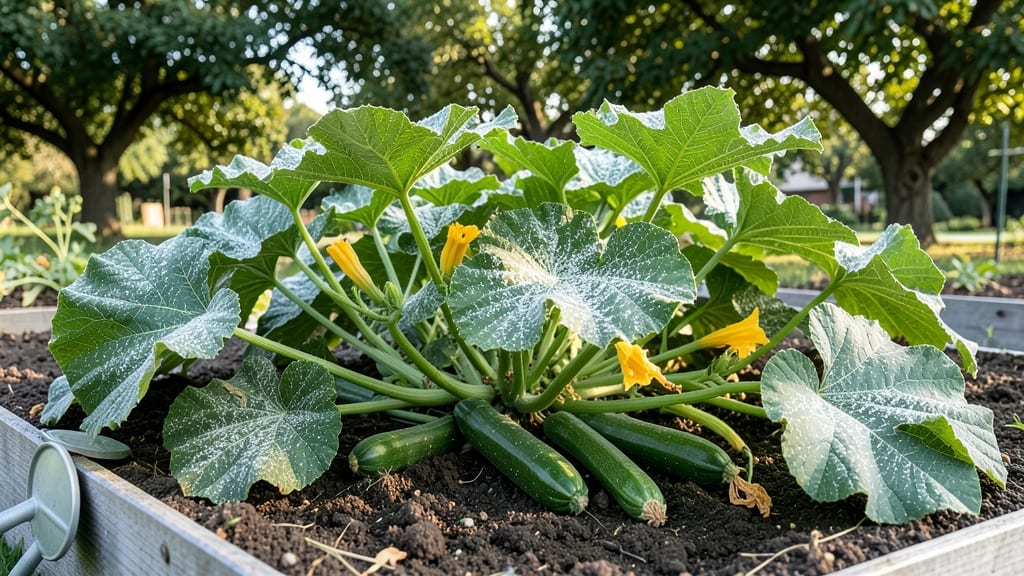
Your squash leaves turning white isn't a death sentence—it's a call to action. 🌿 I've seen powdery mildew, nutrient deficiencies, and even environmental stress mimic each other, but the fixes are simple once you know what to look for.
The key is catching it early, before those white patches spread like wildfire across your vines.
Most white leaves start with powdery mildew, that ghostly white dust that looks like someone sprinkled flour on your plants. But it could also be magnesium deficiency—yellowing between veins with white edges—or even too much direct sun bleaching the foliage.
The good news? Each has a targeted fix, and none require harsh chemicals that harm your harvest.
Within minutes, you can mix up a baking soda spray that stops mildew in its tracks, or give your plants a quick foliar feed of Epsom salt for magnesium.
For sunburned leaves, a light shade cloth during peak afternoon heat works wonders. The goal is to restore that deep, healthy green before the problem reaches your fruit.
This isn't just about saving leaves—it's about protecting your entire harvest. A well-maintained squash plant with vibrant foliage produces bigger, sweeter fruits. Let's get those vines back to their best before the white takes over.
Root Causes of Pale Squash Leaves
If your squash leaves are turning a ghostly white, don’t panic—it’s usually a fixable issue. Understanding the why behind this symptom is the first step to restoring your plants’ vibrant green health. Below, we break down the most common culprits, backed by science, so you can diagnose and act fast.
One of the most frequent causes of white, powdery patches on squash leaves is powdery mildew, a fungal disease that thrives in warm, humid conditions. This pathogen belongs to the Erysiphe or Golovinomyces genera and spreads via wind, water, or even garden tools. Here’s how it works:
- How it starts: Spores land on leaves and germinate when humidity exceeds 75% for prolonged periods (especially at night). The fungus penetrates leaf cells, sucking out nutrients and blocking chlorophyll production, which turns leaves white.
- Key identifiers:
- White, powdery coating (like dust) on upper leaf surfaces.
- Yellowing or browning underneath infected areas.
- Leaves may curl or become brittle.
- Why it spreads: Crowded plants, poor airflow, and overhead watering create the perfect storm. Squash, being low to the ground, is especially vulnerable.
💡 Pro Tip: Check the undersides of leaves first—powdery mildew often starts there before spreading. If you see webbing or black spots, it might be downy mildew (another fungal foe), which requires a different approach.
Squash plants are sun-lovers, but too much direct heat—especially in high-desert or urban heat islands—can cause leaves to bleach out. This isn’t a disease but a physiological response to stress. Here’s the science:
- How it happens:
- When temperatures exceed 90°F (32°C) for days, chlorophyll breaks down faster than it can be replaced.
- Intense UV radiation (common in reflective or sandy soils) damages leaf cells, leading to white or yellow patches.
- Where it shows up:
- Leaves facing south or west (most sun exposure).
- Edges of leaves may scorch first, turning crispy and white.
- Other triggers: Sudden temperature swings (e.g., hot days + cold nights) or transplant shock when moving squash from shade to full sun.
🌡️ Quick Test: Feel the soil—if it’s dry and hot to the touch, your squash may be sun-stressed. Mulching with straw or shade cloth (30% coverage) can help.
Water isn’t just life-giving—it’s also a disease delivery system when applied incorrectly. Here’s how poor watering habits lead to white leaves:
- Overhead watering: Splashing water onto leaves (especially in the evening) spreads fungal spores like powdery mildew. The moisture lingers, creating ideal conditions for growth.
- Underwatering: While less common, chronic drought stress can cause leaves to bleach as the plant prioritizes root survival over foliage. Leaves may turn white or yellow and crispy.
- Poor drainage: Waterlogged soil (common in clay-heavy soils) suffocates roots, starving leaves of nutrients. White or pale leaves can signal root rot, where fungi like Phytophthora take over.
💡 Fix It Fast:
- Switch to drip irrigation or soaker hoses to keep water at the roots.
- Water early in the morning so leaves dry quickly.
- Test soil moisture with your finger—top 1 inch should dry out between waterings.
White or pale leaves can also signal a nutrient deficiency, particularly when squash is starved of essential elements. Here’s what’s missing and why:
| Nutrient | Symptoms | Why It Causes Whitening |
|---|---|---|
| Magnesium (Mg) | White or yellow patches between leaf veins (interveinal chlorosis). | Magnesium is central to chlorophyll. Deficiency disrupts photosynthesis, turning leaves white in severe cases. |
| Nitrogen (N) | Overall pale green/yellow leaves, stunted growth. | Nitrogen fuels leaf expansion. Without it, leaves can’t produce enough chlorophyll, appearing washed out. |
| Zinc (Zn) | White or pale spots on young leaves, distorted growth. | Zinc activates enzymes for chlorophyll synthesis. A deficiency stalls leaf development, leading to bleached areas. |
🌱 Soil Check: Test your soil’s pH (squash prefers 6.0–7.0). High pH (alkaline soil) locks out magnesium and zinc. Amend with compost or Epsom salt (magnesium sulfate) for quick relief.
Now that you know the why, the next step is action. Stay tuned for our bleach-free solutions to revive your squash—and keep those leaves lush and green! 🌿✨
Quick Fixes for Pale Squash Leaves
Reviving your squash plants’ vibrant green leaves doesn’t require harsh chemicals—just a few targeted tweaks to restore their natural luster. Below, we break down the most common causes of white or pale leaves and provide easy, bleach-free solutions to get your plants thriving again.
Plus, we’ll share prevention tips to keep your squash looking fresh all season long!
Cause: Pale or white patches often signal chlorosis—a nutrient deficiency caused by poor sunlight exposure. If your squash isn’t getting enough light, its leaves can’t produce enough chlorophyll (the green pigment).
How to Fix It:
- 🔥 Move Your Plants – Relocate squash to a sunnier spot, ideally 6–8 hours of direct sunlight daily. Morning sun is best to avoid scorching.
- 🌿 Use Reflective Surfaces – Place a white tray or mirror near the plants to bounce extra light onto the leaves.
- 🌱 Thin Out Crowded Plants – If vines are shading each other, prune excess leaves or branches to improve airflow and light penetration.
Prevention Tip: > 💡 Start seeds indoors under grow lights if your outdoor space is shady. Transplant only when outdoor temps are consistently warm (70°F+).
Cause: Overwatering or underwatering can stress squash plants, leading to white or yellowed leaves as they struggle to absorb nutrients.
How to Fix It:
- 👨🍳 Check Soil Moisture – Stick your finger 1 inch into the soil. If it’s dry, water deeply; if soggy, hold off until the top 2 inches feel dry.
- 🥘 Water at the Base – Avoid wetting leaves to prevent fungal diseases (like powdery mildew) that can cause white spots.
- ⏰ Water Early Morning – This reduces evaporation and gives roots time to absorb moisture before nightfall.
Prevention Tip: > 🌡️ Use mulch (straw or shredded leaves) to retain moisture and regulate soil temperature—keeping roots happy and leaves perky!
Cause: White or pale leaves can also mean your squash lacks magnesium, nitrogen, or iron—key nutrients for chlorophyll production.
How to Fix It:
- 🔪 Test Your Soil – Grab a DIY soil test kit (or send a sample to your local extension office) to check pH and nutrient levels. Squash thrives in slightly acidic to neutral soil (6.0–7.0 pH).
- 🥗 Add Organic Amendments –
- For nitrogen: Mix in composted manure or fish emulsion.
- For magnesium: Sprinkle Epsom salt (1 tbsp per gallon of water) every 2 weeks.
- For iron: Use a chelated iron supplement (follow package instructions).
- 🍎 Avoid Over-Fertilizing – Too much salt or synthetic fertilizer can burn roots, worsening the problem.
Prevention Tip: > ✨ Rotate crops yearly to prevent nutrient depletion. Plant squash after legumes (like beans) to naturally enrich the soil!
Cause: White leaves can also signal pests (aphids, spider mites) or fungal infections (powdery mildew) that drain nutrients or block sunlight.
How to Fix It:
- 🔥 Spray with Neem Oil – Mix 1 tsp neem oil + 1 tsp mild soap in 1 quart of water. Spray early morning or evening to kill pests without harming bees.
- 🍳 Remove Infested Leaves – Snip off heavily damaged leaves and dispose of them in a sealed bag (not compost).
- 🌿 Improve Airflow – Space plants 3–4 feet apart and prune suckers to reduce humidity around leaves.
Prevention Tip: > 🎯 Preventative spray: Mix 1 tsp baking soda + 1 quart water + a drop of dish soap weekly to deter mildew.
If your squash leaves are just dull white (not yellow or crispy), try this instant pick-me-up: 1. 💦 Mist leaves with room-temperature water to boost turgor (firmness).
- 🍃 Wipe with a damp cloth to remove dust blocking sunlight.
- 🌞 Place under a grow light for 4–6 hours if outdoor light is weak.
Remember: Consistency is key! Monitor your plants daily, adjust care as needed, and your squash will bounce back with rich, green leaves in no time. 🌱✨
Frequently asked questions
Why do my squash leaves turn white in patches but stay green elsewhere?
This is often powdery mildew, a fungal infection that starts in small white spots before spreading. The fungus blocks sunlight and clogs leaf pores, causing those areas to turn white while healthy tissue remains green. Check leaf undersides first—you'll usually see the telltale white dust there before it appears on top.
Can I save my squash plant if most leaves are completely white?
It depends! If the white is from powdery mildew, prune severely affected leaves immediately and treat with a baking soda spray (1 tsp baking soda + 1 quart water + drop of dish soap). For sun scorch, provide afternoon shade. However, if the plant is already producing fruit, focus on protecting those leaves to ensure a good harvest.
Will Epsom salt help if my squash leaves have white edges?
White edges often signal magnesium deficiency. Mix 1 tablespoon Epsom salt per gallon of water and spray on leaves every 2 weeks. For faster results, add 1/2 cup Epsom salt per hole when planting. Just avoid overdoing it—too much magnesium can cause other nutrient imbalances.
How can I prevent white leaves on my squash next season?
Start with proper spacing (3-4 feet between plants) for airflow, and water at the base in the morning. Use mulch (straw or grass clippings) to regulate soil temperature. For extra protection, spray leaves with a 1% milk solution (1 part milk to 9 parts water) weekly—studies show this reduces powdery mildew by up to 70%.
Are white squash leaves always a bad sign?
Not necessarily! Some varieties like white bush squash naturally have lighter green leaves. Also, new growth often appears paler before maturing. The red flags are powdery texture, yellowing underneath, or crispy edges. If your squash is otherwise thriving and producing fruit, the white leaves may just be normal variation.