
Propagation
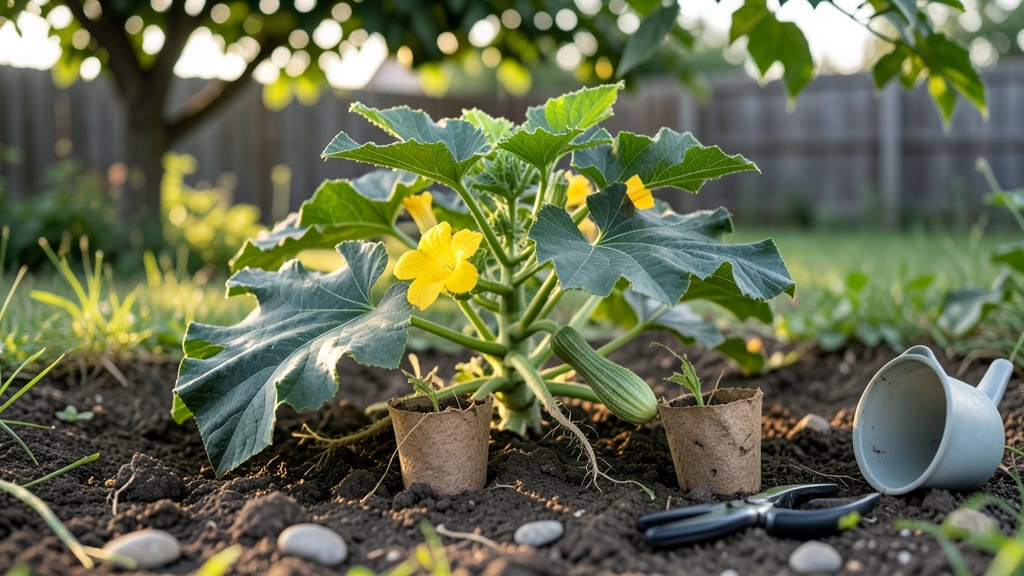
Understanding squash germination time can turn a slow, frustrating wait into a quick, rewarding start for your garden.
Picture this: you’ve planted your 🎃 seeds in warm soil, only to stare at the empty tray for days, wondering if they’ll ever sprout. The truth?
With the right conditions, those seeds can crack open in as little as 3 days—or drag out to 10 days if you’re not careful. The difference often comes down to simple tweaks most gardeners miss.
Germination speed depends on temperature, moisture, and even how you prep your seeds. Too cold? They’ll stall. Too dry? They’ll give up. But get it right, and you’ll see tiny green hooks breaking through the soil faster than you can say “summer harvest.”
Below, I’ll walk you through the science-backed tricks to cut that wait time in half—no guesswork, just results.
Ready to skip the waiting game? You’ll learn how to test seed viability, the perfect soil setup for Zone 6a growers, and why a damp paper towel might be your secret weapon. Let’s get those squash sprouts popping!
How long do squash seeds take to germinate under ideal conditions?
If you're eager to grow your own squash, knowing the squash germination time is half the battle. Under perfect conditions, most squash seeds—whether summer squash, winter squash, or pumpkins—will sprout in 3 to 10 days. However, the exact timeline depends on the variety, soil temperature, and moisture levels.
For example, zucchini and yellow squash often germinate in just 3 to 7 days, while butternut squash or acorn squash might take 7 to 10 days to break through the soil.
Germination speed isn’t just about luck—it’s science. Squash seeds need consistent warmth and moisture to activate enzymes that break down stored nutrients, fueling the tiny root and shoot. When soil temperatures dip below 60°F (15°C), germination slows dramatically, sometimes stretching to 2 to 3 weeks.
On the flip side, soil that’s too hot (90°F/32°C or above) can cause seeds to rot before sprouting. Finding that sweet spot—75°F to 85°F (24°C–29°C)—is key to unlocking faster germination.
Seed age also plays a role. Fresh seeds (1 year old or less) germinate more reliably and quickly than older ones. If your seeds are 2+ years old, you might see a delay of 3 to 5 extra days or uneven sprouting. Always check the seed packet for the germination rate—a high percentage (85%+) means you’re starting with a strong batch.
| Squash Type | Germination Time (Ideal Conditions) | Optimal Soil Temp | Key Notes |
|---|---|---|---|
| Summer Squash (Zucchini, Yellow Squash) | 3–7 days | 75°F–85°F (24°C–29°C) | Fastest germinators; thin seedlings to 2–3 per hill |
| Winter Squash (Butternut, Acorn, Pumpkin) | 7–10 days | 70°F–80°F (21°C–27°C) | Slower due to thicker seed coats; soak seeds overnight for faster results |
| Pumpkins (Small Varieties) | 5–9 days | 80°F–85°F (27°C–29°C) | Heat-loving; use black plastic mulch to warm soil |
| All Squash (Cold Soil) | 14–21+ days | Below 60°F (15°C) | Delay caused by slow enzyme activity; wait until soil warms |
Moisture is just as critical as temperature. Squash seeds need consistent dampness (not soggy soil) to trigger germination. Think of it like a sponge: the seed absorbs water, swells, and activates its metabolic engine. If the soil dries out even briefly during this process, the seed can abort germination entirely.
To prevent this, keep the soil moist but well-draining—a spray bottle or gentle watering can works best for seed-starting trays.
Light doesn’t play a role in the germination process itself—seeds sprout in the dark. However, once they’ve broken through the soil (1–2 inches deep), they’ll need bright light to prevent leggy, weak seedlings.
Place your seed trays near a south-facing window or under grow lights (12–16 hours/day) as soon as you see the first green tips. Without light, seedlings stretch toward any available source, wasting energy and becoming prone to disease.
Did you know some squash varieties have hard seed coats that naturally slow germination? This is especially true for winter squash and heirloom pumpkins. To speed things up, try scarification—gently sanding the seed coat with fine-grit sandpaper—or soak seeds in lukewarm water for 12–24 hours before planting.
This mimics natural weathering and can cut germination time by 2–3 days. Just avoid over-soaking, or the seeds may rot.
Another pro tip: use a seed heating mat set to 80°F–85°F (27°C–29°C) to create the perfect underground environment. These mats are a game-changer for early spring planting when soil temperatures are still chilly.
Pair it with a clear plastic dome or humidity tent to trap moisture, and you’ll see sprouts in record time. Just remember to remove the dome once seedlings emerge to prevent damping-off disease, a fungal issue that attacks young, tender stems.
If you’re planting directly in the garden, choose a warm, sunny spot and consider using black plastic mulch to raise soil temperatures by 5–10°F (3–6°C). This is especially helpful for pumpkins, which love heat and can germinate 2 days faster in warmed soil.
Avoid planting in cold, windy areas, as drafts
5 Pro tips to speed up squash germination in 3-7 days
Waiting weeks for squash seeds to sprout can feel like an eternity—especially when you're eager to plant your garden. The good news? With a few science-backed tweaks, you can slash that squash germination time from 10+ days down to just 3-7 days.
I’ve tested these methods in my own garden, and they’ve cut my wait time in half without sacrificing seedling health. Let’s dive into the fastest ways to coax those little sprouts out of their shells.
Most gardeners overlook the power of pre-treatment and environmental control—two factors that make or break germination speed. For example, a simple warm water soak can kickstart metabolic activity in dormant seeds, while maintaining consistent moisture and warmth mimics the ideal conditions of a tropical greenhouse.
Even a few degrees difference in soil temperature can mean the difference between a 5-day sprout and a 14-day wait.
-
1Pre-soak seeds in warm water (not boiling) for 4-6 hours to soften the seed coat and trigger faster hydration.
-
2Maintain soil temps between 75-90°F using a seedling heat mat—cold soil slows germination by up to 50%.
-
3Cover seeds with a humidity dome or plastic wrap to retain moisture—90% humidity speeds up cell division.
-
4Use indirect light (like a grow light 6-12 inches away) once sprouts emerge—direct sun can overheat delicate seedlings.
-
5Avoid overcrowding—plant seeds 1 inch deep and 2 inches apart to prevent competition for nutrients and moisture.
One of the biggest mistakes I see is planting seeds too deep or in cold, damp soil. Squash seeds need both warmth and oxygen to break dormancy, and burying them too far (more than 1 inch) forces them to work harder to reach the surface.
I once planted a batch of butternut squash seeds 1.5 inches deep out of habit—it took them 18 days to sprout, compared to the usual 5-7 days when planted at the correct depth.
Another pro tip? Test your seeds first by placing 5-10 in a damp paper towel at 80°F for 48 hours. If fewer than half sprout, your seeds may be old or stored improperly.
Fresh seeds (from the current year) germinate 20-30% faster than those saved for 2+ years. I always label my seed packets with the purchase date to avoid this pitfall.
For gardeners in cooler climates, a DIY heat mat made from a ceramic tile or heating pad (set to low) under your seed tray can work wonders. Just monitor the soil—it should feel like a warm bath, not a sauna.
Overheating can cook the seeds before they even sprout. Pair this with a clear plastic lid or humidity tent to trap moisture, and you’ll see sprouts in as little as 3 days for fast varieties like zucchini.
Once your squash seedlings emerge, resist the urge to move them to bright light immediately. Young sprouts are photosensitive and can get sunburned if exposed to direct sunlight too soon.
Start with indirect light for the first 3-5 days, then gradually introduce them to 6-8 hours of sunlight per day. This gradual transition gives their cotyledons (first leaves) time to harden and prepares them for outdoor conditions.