
Picking
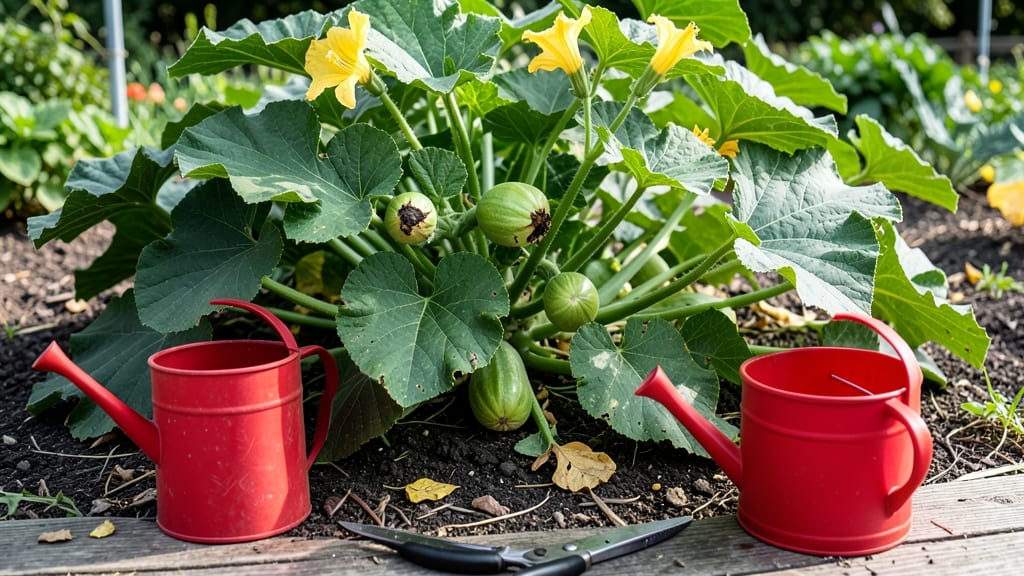
Your summer squash is begging for a second chance—this simple vine trick stops rotting ends before they ruin your harvest. 🌱 I’ve lost entire batches to that telltale blackened spot, but now I know the exact moment to act (and it’s earlier than you think).
The rot starts when calcium, water, or airflow fails—often from overwatering or crowded vines. The fix? A quick vine adjustment that boosts calcium uptake and dries the blossom end naturally. No more tossing squash with perfect insides but ruined caps.
Within 24 hours, you’ll see the rot slow or stop entirely. The trick works for zucchini, yellow squash, and even cucumbers—no fancy tools, just a little garden know-how. Here’s how to spot the problem and reverse it before your next harvest. Let’s save those squash!
Root Causes Of Squash Spoilage
When your squash ends start rotting before the rest of the fruit, it’s usually a sign of underlying issues—some preventable, others tied to biology. Understanding why this happens is the first step to saving your harvest. Let’s break down the science behind the spoilage.
Squash, like many fruits, continues to ripen after being picked. If left on the vine too long, the stem end (where nutrients and water enter) weakens. This makes the tissue more susceptible to microbial invasion—especially Botrytis cinerea (gray mold) or Alternaria fungi, which thrive in soft, overripe flesh.
Key triggers:
- ⏳ Delayed harvesting: Squash like butternut or acorn should be picked when the skin is hard and the stem detaches easily. Waiting until the rind softens or the vine yellows signals overmaturity.
- 🍂 Stress from heat/cold: Extreme temperatures (below 50°F or above 90°F) speed up ethylene production, accelerating ripening and rot.
- 🌡️ Moisture buildup: Rain or dew on the vine can create a damp environment, giving fungi a foothold at the stem end.
Pro tip: 💡 Harvest when the vine dies back naturally (not before!) but remove squash before the stem shrivels. Use pruning shears to avoid tearing the fruit.
The stem end is the squash’s Achilles’ heel because it’s the last point of contact with the vine—often carrying residual moisture, dirt, or microscopic pathogens. Once the squash is cut or bruised during harvest, these microbes get a direct path to the flesh.
Common culprits:
Pathogen
How It Attacks
Signs of Infection
Botrytis cinerea (Gray Mold)
Enters through wounds or wet stem ends; thrives in high humidity.
Fuzzy gray growth, soft rot, mushy texture.
Pythium (Water Mold)
Spreads in waterlogged soil or after rain; clogs vascular tissue.
Blackened, water-soaked stem ends; rapid wilting.
Erwinia (Bacterial Soft Rot)
Enters through cuts or insect damage; multiplies in warm, moist conditions.
Oozing yellow/brown liquid; foul odor; slimy flesh.
Pro tip: ✨ Disinfect tools with a 10% bleach solution (1 part bleach to 9 parts water) between cuts to prevent cross-contamination.
Even the healthiest squash can rot at the stem if storage conditions mimic a fungal spa. The stem end is especially vulnerable because it’s the most hydrated part—ideal for microbial growth if not dried properly.
Mistakes that invite rot:
- 🌧️ No curing: Squash should “cure” (dry out) for 3–10 days in warm (80–85°F), dry conditions. Skipping this step leaves the stem end damp and prone to infection.
- 🧊 Improper storage: Storing squash in plastic bags or cold (below 50°F) refrigerators creates condensation, trapping moisture at the stem.
- 🍽️ Dirty cuts: If you trim the stem too close to the fruit (leaving a stub) or use a dirty knife, you create an open wound for bacteria.
Pro tip: 🔥 Let squash “breathe”—store in a cool (55–60°F), dry, well-ventilated space (like a pantry) with a paper towel under them to absorb excess moisture.
Insects, rodents, or rough handling can puncture the squash’s skin, giving pathogens a direct entry point. The stem end is often the first to show damage because it’s the most exposed part of the fruit.
Common offenders:
- 🐀 Squirrels/rodents: Gnaw at the stem end, creating wounds that rot quickly.
- 🐛 Squash vine borers: Larvae burrow into the vine, weakening the stem’s connection to the fruit.
- 🪒 Harvest mishaps: Dropping squash or using a serrated knife can crush cells, inviting decay.
Pro tip: 🎯 Inspect vines before harvest—look for chewed stems or wilting. Use row covers early in the season to deter pests.
Fixing Rotting Squash Ends Fast
Now that you know why your squash ends are rotting, let’s tackle the fixes—before the problem spreads to the rest of your harvest. The good news? Most solutions are simple, cost-effective, and prevent future spoilage.
Below, we’ve mapped common causes to actionable fixes, plus pro tips to keep your squash fresh for weeks.
If the blossom end (the stem side) is already soft, mushy, or oozing, it’s likely overripe or bruised. Act fast to salvage the rest of the squash:
- 🔪 Trim the Rotten Spot Use a sterilized knife (wipe with rubbing alcohol) to cut ½ inch beyond the soft/moldy area. Avoid cutting too deep—you want to remove only the bad tissue.
- 🌡️ Let It Dry & Cure Place the squash in a warm, dry, well-ventilated spot (like a sunny windowsill or a fan-assisted drying rack) for 24–48 hours. This forms a protective "scar" that slows further rot.
- 🛡️ Apply a Natural Seal (Optional) Once dry, lightly coat the cut end with food-grade mineral oil, beeswax, or petroleum jelly (like Vaseline) to create a barrier. Skip this if your squash is waxy-naturally (like butternut).
💡 Pro Tip: If multiple squash in your batch are rotting, quarantine them—some varieties (like zucchini) are more prone to bacterial soft rot (Erwinia) and can spread contamination.
Humidity is the #1 enemy of squash longevity. If your squash is stored in a damp basement, garage, or plastic bag, mold and bacteria thrive. Fix it with these steps:
- 🏠 Move to a Dry, Cool Spot Ideal storage: 50–55°F (10–13°C) with 50–70% humidity. A pantry, root cellar, or unheated garage works best. Avoid refrigeration—it speeds up starch breakdown and makes squash mealy.
- 🧻 Use Breathable Wrapping Instead of plastic bags, wrap squash in paper towels or newspaper, then place in a cardboard box with holes for airflow.
For extra protection, try: - 🧴 Cornmeal or diatomaceous earth (food-safe, absorbs moisture). - 🌿 A sprinkle of wood ash (old farmer trick—sterilizes and dries).
- ⏰ Rotate Your Stock Use the "first in, first out" (FIFO) rule: Store new squash behind older ones so you don’t forget about the earliest harvest.
🔥 Warning: Never store squash near apples or onions—they release ethylene gas, accelerating spoilage.
If you spot black mold, white fuzz, or tiny holes, pests or pathogens are likely the culprits. Here’s how to stop the spread:
- 🧼 Sterilize Your Space
- Wipe down shelves, bins, and cutting boards with a 10% bleach solution (1 part bleach to 9 parts water).
- Replace any damp cloths or old produce bags—they’re mold incubators.
- 🍄 Treat Fungal Rot For surface mold, scrub the affected area with a baking soda paste (1 tbsp baking soda + 1 cup water). Let dry completely.
- For severe cases, toss the squash—some molds (like Aspergillus) produce toxins even when removed.
- 🐞 Pest-Proof Your Garden
- 🪰 Use row covers to block squash vine borers (larvae that tunnel into stems).
- 🌿 Plant companion crops like marigolds or nasturtiums to repel pests.
- 🕵️ Inspect daily—remove eggs or larvae manually if caught early.
✨ Prevention Hack: Sprinkle crushed eggshells or cayenne pepper around stored squash to deter rodents and insects.
The #1 secret to preventing rot? Harvest at peak ripeness and handle with care. Here’s how:
- 🍂 Pick at the Right Time
- Zucchini/Yellow Squash: Harvest when 6–8 inches long (smaller = less prone to rot).
- Acorn/Butternut: Wait until the skin is hard and color deepens.
- Never let squash sit on the vine—overripe fruit rots faster.
- 👨🍳 Handle Like Eggs
- Don’t wash until ready to eat—moisture speeds up decay.
- Use both hands when carrying to avoid bruising.
- Store whole—cutting exposes flesh to air and bacteria.
- 🌱 The "Vine Trick" for Longer Life
- Leave a 1-inch stem attached when storing. The stem’s natural waxy coating acts as a moisture barrier.
- For extra longevity, twist off the stem gently (don’t cut) and let the squash "heal" for 24 hours before storing.
🎯 Final Reminder: Most squash rot starts at the blossom end—so check weekly and act fast if you see wilting or discoloration. With these fixes, your harvest should stay fresh for 2–3 months (or longer for winter squash like pumpkins!).
Need a quick cheat sheet? Bookmark this table:
| Problem | Fix | Prevent Next Time |
|---|---|---|
| Soft/mushy blossom end | Trim + cure in warm, dry air | Harvest smaller, avoid bruising |
| Mold or white fuzz | Sterilize + baking soda scrub | Improve airflow, reduce humidity |
| Holes or pest damage | Quarantine + treat garden pests | Use row covers, plant repellent herbs |
| Premature wilting | Move to cooler, drier storage | Store with stem intact, rotate stock |
Frequently asked questions
Why does my squash rot at the stem end first?
The stem end is the most vulnerable because it's where the fruit connects to the vine—this area stays moist longer and often carries dirt or pathogens. Once harvested, trapped moisture creates the perfect environment for Botrytis or Pythium fungi to thrive. The blossom end also lacks the protective wax coating found on the rest of the fruit.
Can I save a squash with a rotting stem end?
Yes! Trim ½ inch beyond the rotten area with a sterilized knife, let it dry in warm air for 24–48 hours, then lightly coat the cut with mineral oil. This creates a barrier that slows further decay. For severe cases, quarantine the squash immediately to prevent spreading contamination.
What's the best way to store squash to prevent rot?
Store in a cool (55–60°F), dry, well-ventilated space like a pantry—never refrigerate! Wrap each squash in paper towels and place in a cardboard box with holes for airflow. Avoid plastic bags, which trap moisture. For extra protection, sprinkle wood ash around stored squash to absorb excess humidity.
Is it safe to eat squash with mold on the stem end?
Only if you remove at least 1 inch beyond the moldy area with a clean knife. Toss the squash if the mold is fuzzy, black, or has a foul odor—these signs indicate Aspergillus or other dangerous pathogens. When in doubt, it's safer to compost the affected fruit. Never eat moldy squash if you're immunocompromised.
How can I tell if my squash is overripe before it rots?
Check for these signs: the stem detaches easily, the skin softens (especially at the blossom end), or the fruit feels heavy for its size. For summer squash like zucchini, harvest when 6–8 inches long—smaller sizes store better. For winter varieties, wait until the skin hardens completely before picking.