
Picking
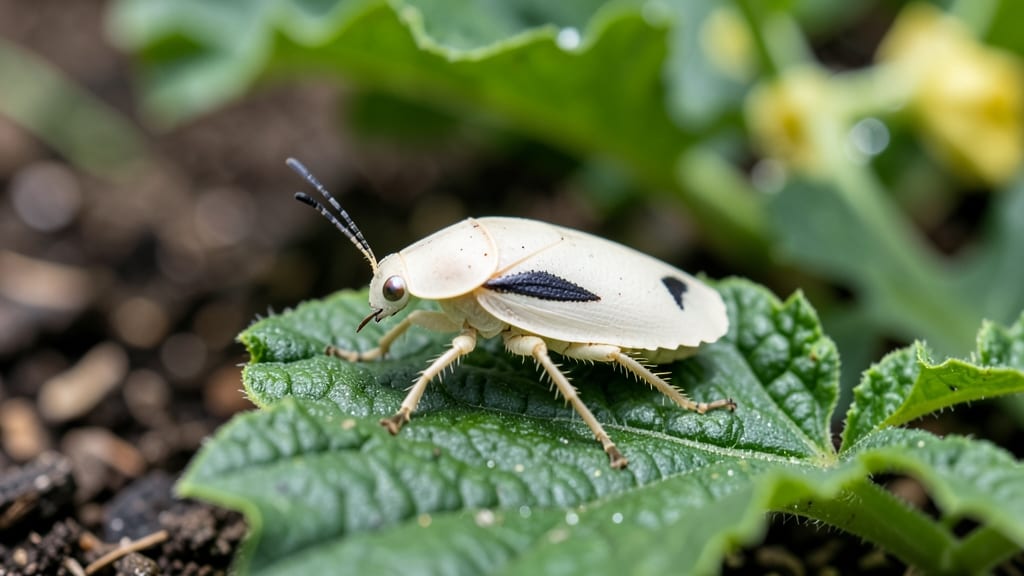
Mastering squash bug prevention is key to saving your zucchini plants—trust me, I’ve lost too many to these garden pests. 🌿 The good news? You can stop them before they start with simple, chemical-free barriers that protect your cucurbits from day one.
These tiny brown shields hide under leaves, sucking life out of your plants in weeks. But with daily inspections, row covers, and companion plants like radishes or nasturtiums, you can create a fortress they won’t crack. The key is acting early—before the first egg masses appear.
By summer’s end, your squash and pumpkins will thrive without a single battle scar. No more wilted vines or shriveled fruit—just healthy, productive plants that keep giving all season long. This works for backyard gardens, raised beds, and even container-growing setups. Let’s keep those bugs out for good!
Root Causes Of Squash Bug Outbreaks
Understanding why squash bugs invade your garden is the first step in stopping them. These pests don’t just appear out of nowhere—they’re drawn by specific conditions that make your plants a perfect buffet. Let’s break down the science behind their behavior so you can outsmart them before they strike.
Squash bugs thrive in dense, chaotic gardens where they can hide undetected. When you pack plants too closely together, you’re essentially giving them a multi-layered fortress. Here’s why:
- Shady Hideouts: Overcrowding reduces airflow and sunlight, creating cooler, damper microclimates—ideal for squash bugs. They prefer moist, shaded spots where they can lay eggs unnoticed on the undersides of leaves. - Easy Travel: Dense foliage allows them to crawl from plant to plant without exposure.
A single infested plant can quickly become a hub, spreading eggs and nymphs across your entire patch. - Weakened Plants: Stressed plants (from overcrowding) produce sweeter sap, which squash bugs adore. It’s like leaving out a neon "Eat Me" sign.
Actionable Fix: Space your plants according to their mature size (check seed packets). Aim for 3–4 feet between squash, cucumbers, and melons to improve airflow and visibility.
Squash bugs are master camouflagers. Their eggs—tiny, flat, and tan—blend seamlessly into leaf surfaces, making them nearly invisible until it’s too late. Here’s how they exploit this:
- Underside Ambush: Females lay eggs exclusively on the undersides of leaves, often near the veins. This spot stays cooler and more humid, protecting the eggs from drying out. - Synchronized Hatching: Eggs hatch in waves, releasing nymphs over weeks.
By the time you spot the first bugs, dozens more are already feeding beneath the leaves. - Seasonal Timing: In warm climates, squash bugs can produce 3–4 generations per year. Each wave compounds the problem if left unchecked.
Actionable Fix: Inspect leaves daily (especially undersides) during squash bug season (late spring to early fall). Use a hand lens or magnifying glass to spot eggs early.
Squash bugs are drawn to damp conditions, which is why they flock to gardens after rain or overhead watering. Here’s the science:
- Water = Food: Squash bugs absorb moisture through their bodies, and damp leaves make it easier for them to feed on plant sap. - Fungal Buffet: Overwatering creates fungal growth on leaves, which squash bugs consume alongside plant juices.
It’s like a fast-food combo meal for them. - Post-Rain Rush: After rainfall, squash bugs emerge from hiding to feed, often in large numbers. This is why infestations seem to explode overnight.
Actionable Fix:
- Water at the base (not overhead) to keep foliage dry.
- Avoid watering late in the day—wet leaves overnight invite squash bugs.
- Use drip irrigation or soaker hoses to minimize leaf moisture.
Squash bugs prefer stressed plants because they’re easier to penetrate. Common stressors include:
- Nutrient Deficiencies: Plants low in nitrogen or potassium have thinner cell walls, making sap extraction simpler for bugs.
- Pests & Diseases: If your plants are already battling aphids, powdery mildew, or viruses, squash bugs see them as low-hanging fruit.
- Poor Drainage: Waterlogged soil weakens roots, reducing the plant’s ability to fight off pests.
Actionable Fix:
- Fertilize regularly with a balanced formula (10-10-10 or compost tea).
- Rotate crops annually to prevent soil-borne diseases.
- Test soil pH (aim for 6.0–6.8 for squash and cucurbits).
Squash bugs don’t just target your garden—they’ll feast on wild relatives of your crops. Here’s how:
- Wild Gourds & Cucurbits: Plants like wild cucumbers or bitter melons act as nursery grounds for squash bugs.
They lay eggs here before migrating to your prized pumpkins. - Companion Plant Neglect: If you’re growing marigolds or nasturtiums (which repel pests), but they’re too far from your squash, they won’t provide enough protection. - Edge Zones: Squash bugs often enter gardens from wild areas, so unkempt garden borders become their highway.
Actionable Fix:
- Remove weeds (especially those in the Cucurbitaceae family) within 50 feet of your garden.
- Plant trap crops (like bitter melons) far from your main plants to lure bugs away.
- Create a 3-foot "no-weed zone" around garden edges.
Squash bugs are cold-blooded, meaning they’re hyperactive in warm weather. Here’s how heat works in their favor:
- Faster Egg Hatching: At 75°F+, eggs hatch in 5–7 days instead of weeks.
This means more generations per season. - Increased Feeding: Warmer temps make plants juicier, encouraging bugs to feed more aggressively. - Longer Active Season: In hot climates, squash bugs stay active until first frost, giving them months to multiply.
Actionable Fix:
- Mulch heavily (with straw or wood chips) to cool soil and deter egg-laying.
- Use row covers in early spring to block adult bugs before they lay eggs.
- Monitor temps: If your area hits 80°F+, increase inspections every 3–4 days.
Squash bugs have few natural enemies, but when predators are present, they’re often outcompeted by other pests. Common culprits include:
- Overuse of Broad-Spectrum Pesticides: These kill beneficial insects (like lady beetles, parasitic wasps, and spiders) that would otherwise keep squash bugs in check.
- Monoculture Gardens: Planting only squash or cucumbers starves out predator populations that need diverse prey.
- Late Planting: If you plant too late, early-season predators (like ground beetles) may have already moved on.
Actionable Fix:
- Avoid chemical sprays—opt for neem oil or insecticidal soap instead.
- Plant companion flowers (like dill, fennel, or yarrow) to attract predator insects.
- Add mulch to encourage ground-dwelling predators (e.g., rolly-pollies and centipedes).
Quick Fixes for Squash Bug Woes
Squash bugs are relentless, but with the right strategies, you can reclaim your garden without harsh chemicals. Below, we’ve mapped practical, step-by-step fixes tailored to the root causes of infestations—from early detection to long-term prevention.
Each solution is designed to be easy, effective, and eco-friendly, so you can protect your squash patch without breaking a sweat.
Cause: Tiny nymphs or adults hiding in leaves, soil, or cracks. Fix: Act fast before they multiply!
- 🔍 Inspect daily – Check the undersides of leaves, stems, and near the base of plants.
Squash bugs are flat, grayish-brown, and about the size of a penny. - 👨🍳 Handpick adults – Drop them into soapy water (1 tbsp dish soap per gallon) to kill them instantly. Best time: Early morning when they’re sluggish. - 🌿 Shake ‘em off – Gently shake plants over a bucket of soapy water to dislodge nymphs.
Repeat every 2–3 days for 2 weeks. - 🗑️ Clean up debris – Remove old vines, leaves, and weeds where bugs hide. Pro tip: Till soil after harvest to expose overwintering eggs.
> 💡 Pro Tip: Use a drop cloth under plants to spot and squash bugs before they climb back up.
Cause: Eggs laid in soil or cracks, or adults crawling from nearby plants. Fix: Block their access and lure them into traps.
- 📦 Row covers – Use floating row covers (lightweight fabric) over young plants to prevent adults from laying eggs. Remove when flowers appear for pollination. - 🧱 Copper tape – Wrap copper tape around plant stems (1–2 inches high).
The electrical charge repels bugs. Reapply every few weeks if it wears down. - 🍎 Beer traps – Bury a shallow dish filled with beer near plants. Squash bugs are attracted to the yeast and drown.
Refresh every 2 days. - 🪟 Yellow sticky traps – Hang yellow cards coated in petroleum jelly near plants. Adults get stuck trying to land. Best for: Early detection in greenhouses or high-risk areas.
> ✨ Bonus: Plant nasturtiums as a "trap crop" around your squash. Bugs prefer them over your prized veggies!
Cause: Overwhelming numbers of bugs despite manual removal. Fix: Use plant-based repellents that disrupt their life cycle.
| Spray | How to Use | Frequency |
|---|---|---|
| Neem oil spray | Mix 1 tbsp neem oil + 1 tsp dish soap + 1 quart water. Spray top and bottom of leaves. | Every 5–7 days (or after rain) |
| Garlic-chili spray | Blend 4 garlic cloves + 1 tbsp cayenne pepper + 1 quart water. Strain and spray. | Every 3–4 days |
| Soap spray | 1 tbsp castile soap per quart water. Spray directly on bugs (avoid flowers). | Every 2–3 days |
| Diatomaceous earth | Dust food-grade DE on soil and leaf surfaces. Bugs dehydrate on contact. | Reapply after rain |
> 🌡️ Heat trick: Water plants with hot water (120°F) in the evening. The sudden heat stuns and kills eggs/nymphs.
Cause: Recurring infestations year after year. Fix: Break the squash bug’s life cycle with smart garden habits.
- 🌱 Crop rotation – Avoid planting squash, pumpkins, or cucumbers in the same spot for 3+ years. Bugs lay eggs in soil that persist. - 🌿 Companion planting – Interplant with basil, marigolds, or thyme.
Their strong scents mask squash plants. - 🕰️ Early planting – Start seeds indoors and transplant after the last frost.
Bugs emerge later in the season. - 🚫 Avoid mulch near stems – Use straw or grass clippings away from plant bases to deter egg-laying. - 🔄 Beneficial insects – Encourage ladybugs, lacewings, and parasitic wasps (their natural predators). Plant dill, fennel, or yarrow to attract them.
> 🎯 Golden Rule: Monitor weekly—the sooner you act, the less damage you’ll face!
Final Thought: Squash bugs are tough, but you’re tougher! Combine manual removal, barriers, and natural sprays for a multi-layered defense. With consistency, you’ll enjoy bountiful, bug-free squash all season long. 🍉💪
Frequently asked questions
When is the best time of year to start squash bug prevention?
Begin prevention before planting in early spring, especially if you live in warm climates where squash bugs overwinter. Focus on clearing garden debris (where eggs hide) and installing row covers before adult bugs emerge. In cooler regions, start monitoring late May to early June when temperatures rise above 60°F.
Can I use chemical pesticides safely around squash plants?
Chemical pesticides like pyrethrin or carbaryl can kill squash bugs, but they also harm pollinators and beneficial insects. Use them only as a last resort, early in the morning when bees are less active, and follow label instructions precisely. For most gardens, natural sprays (neem oil, soap spray) work just as well without the risks.
How do I know if my squash plants are already infested?
Watch for wilted vines, yellowing leaves, or blackened spots on fruit—classic signs of squash bug feeding. Look under leaves for tiny brown bugs (adults) or flat tan egg clusters. Early signs include sticky honeydew residue on leaves (from their feeding). Check daily in warm weather to catch infestations early.
Will companion planting alone stop squash bugs?
Companion planting (like nasturtiums or marigolds) helps deter bugs but won’t eliminate them completely. Combine it with row covers, copper tape, and regular inspections for the best defense. The key is layering methods—no single tactic works perfectly on its own.
Can I save a heavily infested squash plant?
If more than 50% of leaves are damaged or you see hundreds of nymphs, it’s often better to remove and destroy the plant (don’t compost it!) to prevent spreading. For mild infestations, prune damaged leaves, apply neem oil, and monitor closely. Healthy plants can recover, but severe cases may not bounce back.