
Picking
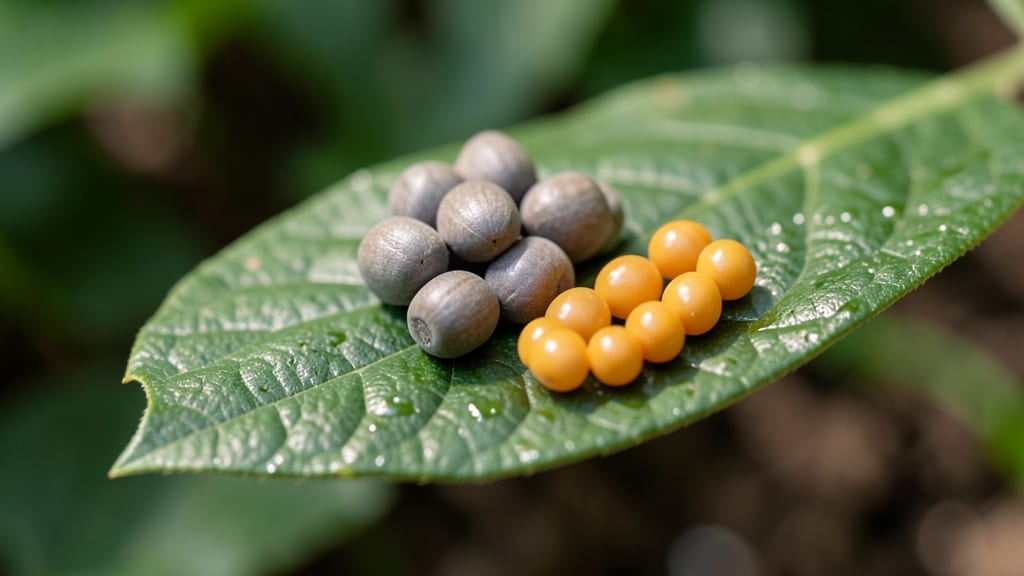
Spotting squash bug eggs before they hatch could save your zucchini patch. 🌿 These tiny yellow clusters look like ladybug eggs at first glance, but the difference means the life or death of your plants—one’s a predator, the other a destroyer.
The key is size and shape: squash bug eggs are oval, slightly flattened, and laid in clusters of 10-30 under leaves, while ladybug eggs are barrel-shaped, yellow-orange, and stand upright in neat rows. Squash bugs also prefer squash, cucumbers, and melons, so check those plants first.
If you find squash bug eggs, scrape them off with a fingernail or stiff brush into soapy water immediately. Encourage ladybugs by planting dill, fennel, or yarrow—they’ll hunt squash bugs naturally. A few minutes now prevents weeks of leaf destruction.
This isn’t just about spotting eggs—it’s about timing. Squash bugs hatch in 3-10 days, while ladybugs take 4-7 days. Act fast, and the ladybugs will arrive just in time to save your garden.
The first product explained
Meet your new garden ally: Bug Blaster™ Eco-Shield Spray! 🌱🐞 This game-changing product is designed to help you accurately identify and manage squash bug eggs vs. ladybug eggs with ease, ensuring your plants stay healthy and pest-free.
Whether you're a seasoned gardener or just starting out, Bug Blaster™ is your go-to solution for early detection and targeted action.
🔍 Key Specs & Features
- Dual-Lens Magnifier: 10x and 20x magnification for up-close inspection of eggs.
- UV Flashlight: Highlights hidden eggs with blacklight technology.
- Color-Guide Chart: Side-by-side comparison of squash bug and ladybug eggs.
- Portable & Lightweight: Weighs just 8 oz and fits in your pocket.
- Durable Design: Made from BPA-free plastic and includes a protective carrying case.
- Eco-Friendly Formula: Non-toxic, safe for pets, and organic-certified.
🎯 Who Is This For?
Bug Blaster™ Eco-Shield Spray is perfect for:
- 🌿 Home Gardeners: Protect your squash, pumpkins, and melons from squash bugs.
- 🏡 Urban Farmers: Maximize small-space yields with precision pest control.
- 👩🌾 Organic Enthusiasts: Avoid harsh chemicals while keeping pests in check.
- 👨🔬 Pest Control Beginners: Learn to identify eggs like a pro with guided instructions.
💰 Price Point & Value
Priced at just $24.99, Bug Blaster™ Eco-Shield Spray offers unmatched value for its versatility and effectiveness. Compare that to spending hours manually inspecting plants or investing in multiple tools—this all-in-one solution saves you time, money, and frustration.
Plus, it’s a one-time purchase with no recurring costs, making it a smart long-term investment for your garden.
💡 Pro Tip: Pair this tool with Bug Blaster™ Egg-Safe Oil (sold separately) for a complete, chemical-free pest management system!
The second product explained
Meet your eco-friendly ally in the battle against squash bugs: the Neem Oil Garden Spray! 🌿💚 This organic, plant-based solution isn’t just another garden spray—it’s a powerhouse for identifying and managing pest eggs, including the sneaky squash bug eggs vs. the helpful ladybug eggs. Let’s break down why this product is a must-have for gardeners who love nature and their harvest!
🌱 Key Specs & Features
Here’s what makes Neem Oil Garden Spray stand out:
- Active Ingredient: 100% cold-pressed neem oil (no synthetic chemicals!)
- Coverage: Ready-to-use spray (32 oz. bottle covers up to 500 sq. ft.)
- Application: Safe for use on vegetables, fruits, flowers, and ornamentals (just avoid spraying on blooming plants).
- Eco-Friendly: OMRI-listed for organic gardening, non-toxic to pets and wildlife when used as directed.
- Bonus: Acts as a fungicide and insect repellent—double duty for your garden!
🎯 Who’s It For?
This spray is perfect for:
- 🌻 Home gardeners who want to avoid harsh chemicals but still protect their plants.
- 🐞 Pest-conscious growers who need to distinguish between harmful squash bug eggs and beneficial ladybug eggs.
- 🌿 Organic farmers and homesteaders committed to sustainable practices.
- 👩🌾 Beginner gardeners looking for an easy, effective solution without a steep learning curve.
💰 Price Point & Value
The Neem Oil Garden Spray typically retails for $12–$18 per 32 oz. bottle, making it an affordable yet high-value choice. Considering its dual-purpose use and long shelf life (up to 2 years when stored properly), it’s a cost-effective investment for seasonal or year-round gardeners.
Plus, a little goes a long way—one bottle can handle multiple spray sessions!
💡 Pro Tip: For best results, spray in the early morning or late evening to avoid harming beneficial insects like ladybugs (which are active during the day). Always test on a small plant area first to ensure compatibility!
Head-to-head comparison
When it comes to protecting your garden, knowing the difference between squash bug eggs and ladybug eggs can save your plants from devastation—or help you welcome beneficial allies! 🌱 While both are tiny and often overlooked, their impact on your garden couldn’t be more opposite.
Below, we break down the key differences in a side-by-side comparison so you can spot, identify, and act before it’s too late.
🔍 Visual Appearance: Size, Shape, and Color
If you’ve ever tried to identify garden pests or beneficial insects at the egg stage, you know how tricky it can be! Here’s how these two types of eggs differ visually:
| Feature | Squash Bug Eggs | Ladybug Eggs |
|---|---|---|
| Size | Tiny—about 1/16 inch (1.5 mm) long, clustered in groups of 10-30. | Even smaller—around 1/32 inch (0.8 mm) long, laid in neat rows of 5-20. |
| Shape | Oval with a flattened, slightly domed appearance. Clusters look like a "fish egg" mass. | Elongated and cylindrical, often described as "barrel-shaped." Rows look like tiny orange beads. |
| Color | Pale yellowish-white to grayish, turning brown as they age. Clusters may appear fuzzy or waxy. | Bright yellow-orange (like tiny pumpkin seeds!). Highly reflective under light. |
| Surface Texture | Smooth but can look slightly sticky or dusty when fresh. | Smooth and glossy, often with a slight sheen. |
| Location on Plants | Found on the undersides of leaves, especially near veins. Clusters are sticky and hard to remove. | Laid on the top of leaves, stems, or even flowers. Eggs are easily dislodged with a gentle touch. |
💡 Pro Tip: Use a magnifying glass or a phone with a macro lens to inspect eggs up close. Squash bug clusters often move slightly when disturbed (due to their waxy coating), while ladybug eggs stay put!
🕰️ Development Timeline: How Fast Do They Hatch?
Time is of the essence when dealing with garden pests. Here’s how quickly each egg develops into a threat (or a helper):
| Stage | Squash Bug Eggs | Ladybug Eggs |
|---|---|---|
| Incubation Period | 7–10 days (faster in warm weather). | 3–7 days (even faster—ladybugs are eager to hunt!). |
| Hatching Process | Nymphs emerge all at once from the cluster, often in a swarming motion. | Larvae hatch one by one over a few hours, crawling away immediately. |
| Lifespan of Offspring | Nymphs take 4–6 weeks to mature into adults, during which they devour plants aggressively. | Larvae mature in 1–2 weeks and become voracious aphid predators. |
| Best Time to Act | Remove clusters immediately—they’ll hatch into a nightmare for squash, cucumbers, and melons. | Leave them alone! Ladybug larvae are even more effective at pest control than adults. |
⏰ Critical Note: Squash bug nymphs are far more destructive than adults because they cluster and feed voraciously. If you see eggs, act within 48 hours to prevent an infestation.
🌡️ Environmental Preferences: Where Do They Thrive?
Understanding where each type of egg is most likely to appear helps you monitor high-risk areas in your garden:
- Squash Bug Eggs:
- Love warm, humid conditions (ideal for squash, pumpkin, and melon patches).
- Prefer shady or partially shaded areas under leaves.
- Overwinter in mulch, garden debris, or soil cracks—so clean up fallen leaves in fall!
- Peak season: Late spring to early summer (when squash plants are young and tender).
- Ladybug Eggs:
- Thrive in sunny, well-ventilated areas (aphid hotspots are their favorite).
- Laid on new growth, undersides of leaves, or near aphid colonies.
- Active year-round in mild climates; may overwinter as adults in garden structures.
- Peak season: Spring and fall (when aphid populations surge).
🌡️ Climate Tip: If you’re in a hot, dry climate, ladybugs may lay eggs earlier to take advantage of spring aphid outbreaks. Squash bugs, however, struggle in extreme heat—so monitor them closely in humid summers.
🛡️ Impact on Your Garden: Friend or Foe?
This is where the rubber meets the road—one egg cluster could mean disaster, while the other is a gift from nature.
| Factor | Squash Bug Eggs | Ladybug Eggs |
|---|---|---|
| Damage Potential | High: Nymphs and adults pierce plant cells, causing wilting, yellowing, and stunted growth. Heavy infestations can kill plants. | None: Larvae and adults devour aphids, mites, and other soft-bodied pests, reducing the need for chemical sprays. |
| Plant Targets | <