
Picking
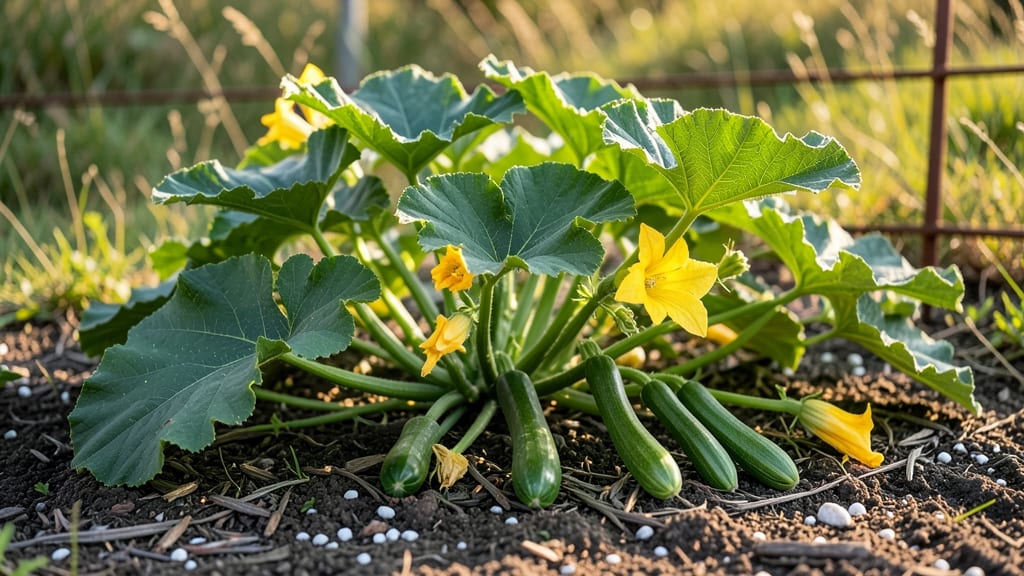
Growing spineless beauty squash is like having a low-maintenance, shade-friendly giant in your garden. 🌿 These thornless vines produce huge, sweet fruits without the usual squash headaches—no prickly stems, no fuss. I planted mine last spring under a dappled shade tree, and they thrived where other varieties would have struggled.
The secret to their success lies in rich, well-draining soil and consistent moisture—think of them as the easygoing roommates of the squash world. They tolerate partial shade better than most, making them perfect for gardens with limited sun or crowded spaces.
Just give them plenty of room (they sprawl 10–15 feet) and watch those fruits grow.
By midsummer, you’ll be harvesting 30-pound beauties with smooth, glossy skin and sweet, nutty flesh. The vines keep producing all season, so one plant can feed a family for months. Plus, the thornless stems mean no gloves needed when harvesting—just reach in and pick.
Whether you're dealing with partial shade, small spaces, or just tired of thorns, this squash delivers. Start seeds indoors 4 weeks before your last frost, or plant directly after soil warms to 60°F. The payoff? A garden full of effortless abundance with minimal fuss.
📚 In This Guide
- What you need
- Instructions
- Tips and common mistakes
- Wrapping up and next steps
What you need
- ● Seeds: 5–10 spineless beauty squash seeds (non-GMO, heirloom preferred for flavor and texture).
- ● Potting Mix: 10–15 lbs of high-quality, well-draining seed-starting mix (or a blend of 60% peat moss, 30% perlite, 10% compost).
- ● Containers (for seedlings): 3–5 biodegradable peat pots (3–4 inches deep) or small plastic cell trays (with drainage holes).
- ● Garden Soil: 1–2 cubic yards of loamy, well-amended soil (pH 6.0–6.8). Mix in 2–3 inches of compost or aged manure per planting area.
- ● Fertilizer: 1 lb of balanced organic fertilizer (e.g., 5-5-5 or 10-10-10) or
- ● 1 cup of fish emulsion (for liquid feeding).
- ● Mulch: 2–3 inches of straw or shredded leaves to retain moisture and suppress weeds.
- ● Hand Trowel (for transplanting seedlings).
- ● Garden Gloves (to protect your hands from thorns and soil).
- ● Watering Can or Hose with a gentle spray nozzle.
- ● Pruning Shears (for harvesting and shaping vines).
- ● Row Cover or Shade Cloth (30–50% shade for seedlings if in hot climates).
- ○ Trellis or Cages (Optional): 4–6 ft tall wire trellis or tomato cages to support vines (if growing vertically).
- ● Sunlight: Partial shade to full sun (6+ hours of indirect light daily; tolerates dappled shade from trees).
- ● Climate: Warm-season crop (hardiness zones 4–11); plant after last frost when soil is 60°F+.
- ● Space: 3–4 ft between plants (or 5–6 ft for vining varieties).
- ● Water Access: Consistent moisture (1–2 inches per week; drought-tolerant but yields better with regular watering).
Step-by-Step guide to growing spineless beauty squash successfully
This shade-tolerant variety thrives where others fail—here’s how to coax reliable harvests from it.
🌱 Step 1: Select the Right Planting Site and Prepare the Soil
Spineless Beauty squash tolerates partial shade but still needs 6+ hours of sunlight daily for optimal growth. Choose a spot with morning sun and afternoon shade if your climate runs hot, as this prevents sunscald on the fruits. The soil should be well-draining yet rich in organic matter—amend heavy clay with 2-3 inches of compost mixed into the top 12 inches of soil.
Test your soil’s pH before planting; squash prefers a slightly acidic to neutral range of 6.0-7.0. If your soil is too alkaline, work in sulfur or peat moss to adjust it. I like to till in a 5-10-10 fertilizer at planting time to give the vines a nutrient boost without overloading them. Avoid fresh manure—it can burn tender roots and attract pests.
🌱 Step 2: Start Seeds Indoors or Direct-Sow After Last Frost
Spineless Beauty squash has a long growing season (80-90 days to maturity), so start seeds indoors 4-6 weeks before your last frost date if your climate has cool springs. Use biodegradable pots to avoid disturbing roots later. Plant seeds 1 inch deep in warm soil (70-80°F)—cold soil delays germination and invites damping-off. Keep the soil consistently moist but not soggy until sprouts appear in 7-10 days.
If your frost date is far off or you prefer direct sowing, wait until soil temperatures reach 60°F before planting. Sow 3-4 seeds per hill, spacing hills 6 feet apart to give vines room to sprawl. Thin to the strongest plant per hill once seedlings have 2-3 true leaves—this prevents competition and ensures robust growth. I always mark hills with stakes to avoid disturbing roots when weeding.
☀️ Step 3: Provide Support and Maintain Consistent Care
Spineless Beauty squash vines can reach 10-15 feet long, so install trellises or sturdy cages at planting to support the weight of the fruits. I use heavy-duty tomato cages or wire trellises buried 6 inches deep for stability. Train vines gently as they grow, weaving them through the support rather than tying them—this prevents stem damage.
Water deeply 2-3 times per week, aiming for 1-1.5 inches of water per session. Keep the soil evenly moist but not waterlogged—squash is drought-sensitive, and inconsistent moisture leads to bitter fruit. Mulch around plants with 3-4 inches of straw or shredded leaves to retain moisture and suppress weeds. Fertilize every 2-3 weeks with a balanced 10-10-10 once vines start running to encourage fruit set.
✂️ Step 4: Prune and Harvest for Maximum Yield
Remove any yellow or diseased leaves promptly to improve airflow and prevent fungal issues. If vines become overcrowded, trim back excessive side shoots to focus energy on fruit production. I also pinch off the first few flowers to encourage stronger vine growth—this leads to larger, more productive plants later in the season.
Harvest squash when fruits reach 6-8 inches in length and feel firm to the touch. Use a sharp knife or pruners to cut stems, leaving 1 inch of stem attached to prevent rot. Harvest every 2-3 days to encourage continuous production—overripe squash turns woody and loses flavor. Store harvested squash in a cool, dry place (50-55°F) for up to 2 weeks, or cook immediately for the best texture.
🌿 Step 5: Extend the Season and Prevent Common Issues
To prolong harvests, cover young plants with frost blankets if nighttime temperatures dip below 50°F. This variety is more cold-tolerant than most squash, but protection ensures better fruit quality. If pests like squash vine borers appear, handpick eggs or larvae from the undersides of leaves—neem oil applied at dusk also deters them without harming beneficial insects.
Watch for powdery mildew in humid conditions—this fungus thrives on crowded plants. Space vines properly and avoid overhead watering to reduce risk. If mildew appears, treat with a baking soda spray (1 tbsp baking soda + 1 quart water + a drop of dish soap) every 7-10 days until the problem clears. With these precautions, you’ll enjoy a bountiful harvest well into fall.
Tips & tricks for growing spineless beauty squash successfully
Here's what I've learned from years of growing this shade-tolerant squash variety—these tricks make all the difference when working with its unique needs.
Soil Preparation Secret: In Step 1, when amending your soil with 2-3 inches of compost, I recommend adding a handful of worm castings to the mix. The beneficial microbes in castings help break down nutrients more efficiently, giving your squash plants an immediate growth boost. This is especially helpful if your soil is naturally heavy or compacted, as Spineless Beauty squash roots need excellent drainage to thrive. The worm castings also improve soil structure over time, making future plantings easier.
Germination Strategy: For Step 2's warm soil requirement of 70-80°F, I've found that using a seedling heat mat under biodegradable pots can speed up germination by 2-3 days. If you're direct sowing, consider using a black plastic mulch to raise soil temperatures quickly. The key is keeping that soil warm—cold soil is the #1 reason squash seeds fail to sprout on time. I've even buried a glass jar filled with hot water near the planting area on chilly mornings to create a microclimate.
Support System Hack: When installing trellises in Step 3, I recommend using galvanized steel cages instead of tomato cages for the heavy vines. These cages can handle the 10-15 foot vines without bending, and I bury them 8 inches deep (2 inches deeper than suggested) for extra stability. For wire trellises, I weave jute twine through the wires at planting to create immediate handholds for the vines—this prevents stem damage as they grow.
Harvesting Timing: In Step 4, the 6-8 inch size guideline is perfect, but I harvest when the squash reaches 7 inches for ideal eating quality. At this stage, the skin is still tender enough for roasting or grilling without being too fibrous. I use a small paintbrush to gently dust off any dirt before storing, which helps maintain freshness. The 2-3 day harvesting frequency is crucial—waiting longer than 3 days can cause the squash to develop a tough skin and bitter flavor, even if they haven't reached 8 inches yet.
Pro Tips for Spineless Beauty Squash
- Here's what I've learned from years of growing this shade-tolerant squash variety—these tricks make all the difference when working with its unique needs.
- Soil Preparation Secret: In Step 1, when amending your soil with 2-3 inches of compost, I recommend adding a handful of worm castings to the mix.
- Germination Strategy: For Step 2's warm soil requirement of 70-80°F, I've found that using a seedling heat mat under biodegradable pots can speed up germination by 2-3 days.
Frequently asked questions
How long does it take for spineless beauty squash to mature?
Spineless beauty squash typically reaches maturity in 70–85 days from transplanting. Keep an eye on the vines—when the fruits are firm, dark green, and about 10–12 inches long, they’re ready for harvest. Early varieties may mature faster, so check seed packets for specifics!
Can I grow spineless beauty squash in containers?
This squash thrives in 5-gallon containers or larger with well-draining soil. Ensure the pot has a diameter of at least 18 inches to accommodate its sprawling vines. Use a trellis or cage if space is tight—just avoid overcrowding to prevent disease.
What’s the best way to troubleshoot yellowing leaves?
Yellowing leaves often signal overwatering, nutrient deficiency, or powdery mildew. First, check soil moisture—squash prefers consistently moist (not soggy) soil. If mildew appears, improve airflow and spray with a baking soda solution (1 tbsp per gallon of water). For deficiencies, amend soil with compost or a balanced fertilizer.
Are there alternatives if my squash flowers but no fruit forms?
If flowers drop without fruiting, it’s often due to temperature stress (below 70°F) or poor pollination. Hand-pollinate by gently transferring pollen with a paintbrush. Also, ensure even watering and avoid chemical sprays that repel bees. For extra insurance, plant near bee-friendly flowers like marigolds.
How should I store harvested spineless beauty squash?
Store squash in a cool (50–55°F), dry, and well-ventilated space (like a pantry) for up to 2 months. Avoid refrigeration—cold damages the delicate skin. For longer storage, cure them first: leave in the sun for 3–5 days, then move indoors.
Wrapping up and next steps
Growing spineless beauty squash is a rewarding journey—especially for gardeners with limited sun or space! 🌱 This shade-tolerant variety delivers abundant, flavorful harvests with minimal fuss, proving that even "challenging" conditions can yield big rewards.
Whether you're a beginner or a seasoned gardener, its resilience and productivity make it a standout choice.
Ready to elevate your garden? Start by sketching your layout or addressing common hurdles—then watch your vines thrive! Grab your gloves, and let’s grow something beautiful (and delicious). 🍴