
Picking
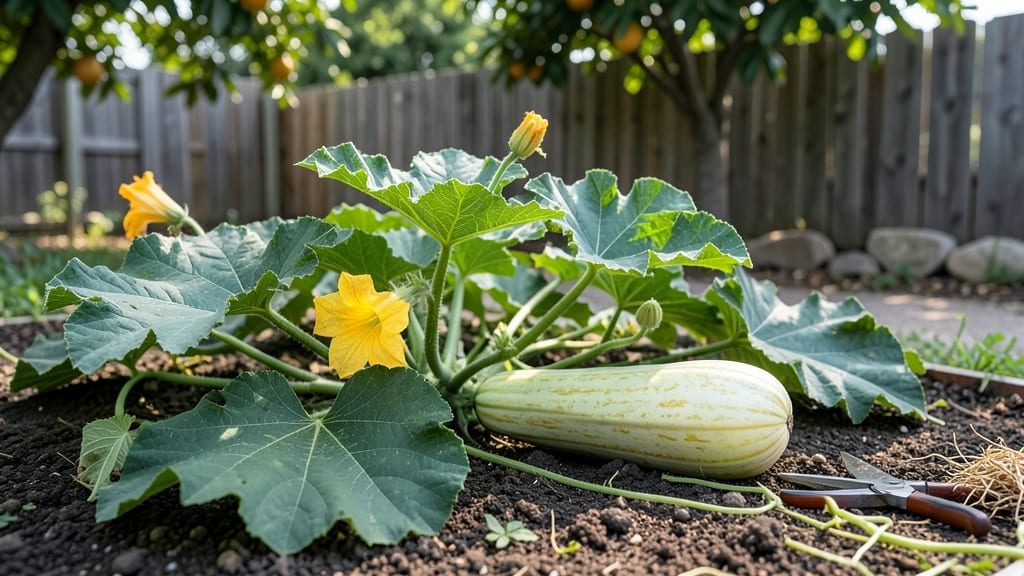
The perfect spaghetti squash color is a deep golden tan, signaling full ripeness with ideal sweetness and tender texture. Underripe squash stays pale green, while overripe turns dull grayish-brown.
Understanding spaghetti squash color is key to unlocking its best flavor and texture. 🌟 The golden hue appears when natural sugars develop and starches soften, creating that signature "spaghetti" texture we love. I always check for this rich color before cutting—it guarantees a sweeter, more satisfying dish.
If your squash looks pale or dull, it might need more time on the vine or a different cooking approach to bring out its full potential.
For the perfect harvest, look for squash with a firm handle and that vibrant golden skin. Store them in a cool, dry place away from direct sunlight to preserve their color and freshness. If you've accidentally grabbed an overripe one, don't toss it—roasting can still bring out delicious caramelized flavors!
💡 In This Article
- How Spaghetti Squash Color Indicates Ripeness and Flavor
- Best Practices for Harvesting and Storing Spaghetti Squash by Color
How spaghetti squash color indicates ripeness and flavor
The vibrant color transformation in spaghetti squash happens through a fascinating biochemical process. As the squash matures, chlorophyll (which gives it that initial pale green hue) breaks down while carotenoids—like beta-carotene—become more dominant.
These pigments aren't just responsible for the deep golden tan; they also signal increased sugar content, which converts from starch during ripening. This is why fully ripe squash tastes sweeter, with sugar levels reaching 3-5% compared to just 1-2% in underripe varieties.
The texture transformation is equally impressive. The golden color appears when the squash's cell walls soften due to enzyme activity, creating those signature spaghetti-like strands.
You'll notice the flesh becomes more fibrous and less dense as the color deepens—almost like nature's own al dente pasta. 🌟 For comparison, a pale green squash will yield tough, rubbery strands that require longer cooking times, while an overripe grayish-brown one will collapse into a mushy consistency.
What most people don't realize is that the color isn't just about ripeness—it's also a temperature indicator. Mature squash stores better at 50-55°F and maintains its golden hue longer than immature ones.
The deeper the color, the more complex the flavor profile becomes, with subtle nutty undertones developing alongside the sweetness. This is why professional chefs often seek out squash with that rich golden tan—it's a visual cue that all the biochemical processes have aligned perfectly for peak eating quality.
There's also a fascinating relationship between color and cooking performance. A properly ripened squash with that deep golden skin will roast more evenly, with the outer rind developing a crispy texture while the interior remains tender.
The carotenoids in the skin even help create a natural caramelization when exposed to heat, adding another layer of flavor. If you've ever noticed how some squash turns out bland or watery, it's often because the color wasn't deep enough to indicate proper ripening and sugar development.
For the home cook, this means paying attention to color is your best quality control measure. The ideal squash should have a firm handle and a skin that's 70-80% golden with just a touch of green remaining at the stem end.
This balance ensures you get both the visual appeal and the flavor complexity that makes spaghetti squash so special in dishes like roasted squash bowls or as a pasta substitute.
One pro tip: If you're harvesting your own squash, watch for the color change during the last 2-3 weeks of growth.
The transition from green to gold happens rapidly during this final stage, so timing your harvest based on color cues can make all the difference in your final dish's quality. 💫