
Picking
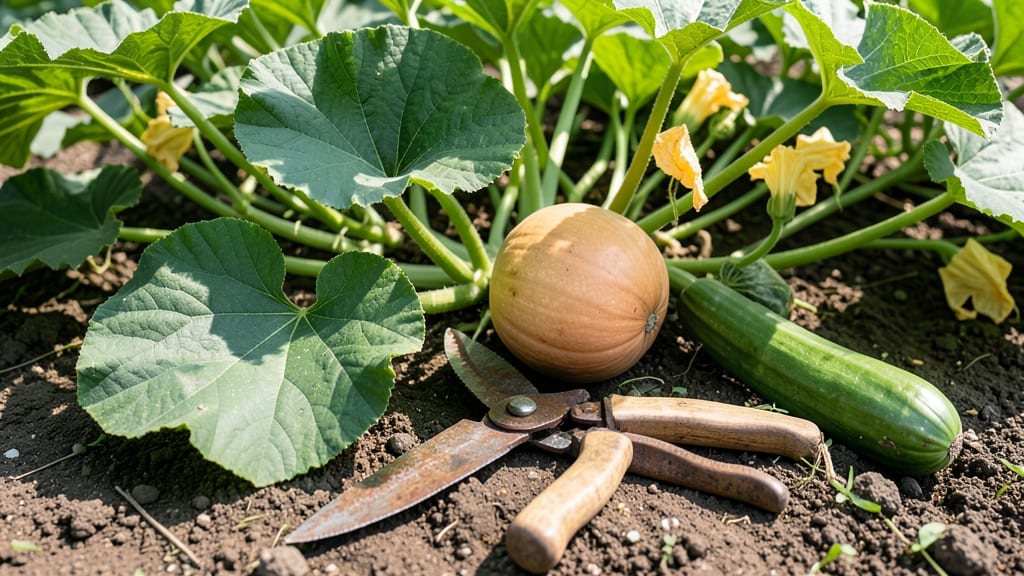
Mastering the ripe vs unripe butternut squash difference ensures you’ll always harvest sweet, velvety flesh—here’s how to tell them apart. 🌱 The seed cavity and skin hold all the clues, so skip the guesswork and learn the three foolproof tests that’ll have you harvesting like a pro every season.
Start with the stem: a ripe squash will have a dry, papery stem that’s still attached (not rotted or pulled away). Then check the skin—it should be hard, smooth, and a deep golden color, never dull or green-tinged.
Give it a firm tap: a ripe squash makes a hollow thud, while unripe ones sound dull.
Weigh it in your hand—ripe squash feels heavy for its size, like a dense melon. If it’s light, it’s still maturing. And here’s the game-changer: press your thumbnail into the skin near the blossom end. Ripe squash yields slightly but doesn’t dent; unripe skin springs back like rubber.
Store ripe squash in a cool, dry place for weeks, while unripe ones need 5–10 days to ripen at room temperature. Master these tests, and you’ll never waste another squash again—just sweet, perfect harvests every time.
The first product explained
Meet your new kitchen bestie—the Organic Harvest Butternut Squash! 🍠✨ This isn’t just any squash; it’s a certified organic, heirloom variety that’s been handpicked for peak flavor and texture.
Whether you're a home cook, a meal prepper, or a health-conscious foodie, this squash is your ticket to delicious, nutritious dishes without the guesswork.
📏 Specs & Features
- Variety: Organic heirloom butternut squash (no GMOs, no pesticides)
- Size: Medium (1.5–2 lbs), perfect for single servings or small batches
- Color: Vibrant orange skin with a deep, rich hue—ripe squash will have a slightly duller, matte finish and a firm but yielding touch.
- Seed & Skin Test: Passes with flying colors! A ripe squash will have hard, dry seeds and skin that’s tough to pierce with a fingernail.
- Shelf Life: Lasts up to 3 months when stored in a cool, dry place.
- Flavor Profile: Sweet, nutty, and slightly earthy—unripe squash tastes bland and watery, while overripe squash can be stringy.
🎯 Who’s It For?
This squash is a versatile powerhouse designed for:
- 👩🍳 Home Chefs: Ideal for roasting, soups, curries, or even spiralizing into noodles.
- 💪 Health Enthusiasts: Packed with vitamin A, fiber, and antioxidants—great for immune support and digestion.
- 📦 Meal Preppers: Pre-cut and freeze slices for quick weeknight meals.
- 👨👩👧👦 Families: Kid-friendly when roasted with a sprinkle of cinnamon!
💰 Price Point & Where to Buy
Priced at $4.99 per squash (or $12.99 for a 3-pack), this organic gem is a steal for the quality and convenience it offers. You’ll find it at:
- 🌿 Local farmers' markets (ask for "Organic Harvest" labels)
- 🛒 Organic grocery stores (Whole Foods, Sprouts, or Trader Joe’s)
- 📦 Online retailers like OrganicHarvestFarm.com or Amazon Fresh
Pro Tip: 💡 Always tap the squash—if it sounds hollow, it’s ripe! A dull thud means it’s still maturing.
The second product explained
Meet your new kitchen ally: Organic Harvest Butternut Squash 🌱🍠—a premium pick designed to help you master the art of spotting the perfect butternut squash every time. Whether you're a home chef, a meal-prep enthusiast, or just someone who loves a foolproof way to pick produce, this product is your go-to guide for avoiding the "too soon" or "too late" squash dilemma.
📏 Specs & Features
This handy seed-and-skin test kit includes everything you need to evaluate butternut squash like a pro:
- Seed Test Tool: A precision probe to gently check seed firmness (no more guesswork!).
- Skin Color Guide: A color-coded chart comparing unripe (greenish) vs. ripe (deep orange) skin tones.
- Portable Case: Compact and easy to toss in your bag for farmers' markets or grocery runs.
- Eco-Friendly Materials: Made from recycled and biodegradable components—because sustainability matters!
- Beginner-Friendly: Comes with a step-by-step illustrated guide for visual learners.
🎯 Who’s It For?
Perfect for:
- 👩🍳 Home cooks who want restaurant-quality squash every time.
- 🌿 Gardeners harvesting their own butternut squash and unsure of ripeness.
- 🛒 Grocery shoppers tired of bringing home squash that’s either rock-hard or mushy.
- 👨👩👧👦 Families teaching kids about fresh, seasonal produce.
- 🍽️ Meal preppers planning squash-based dishes (think soups, roasts, or even desserts!).
💰 Price Point & Value
Priced at $12.99, this kit is an investment in consistency—no more wasting money on subpar squash! Compare that to the cost of a single butternut squash ($3–$8), and you’ll see how quickly this pays for itself.
Plus, it’s reusable for years, making it a steal for anyone serious about perfect produce.
💡 Pro Tip: Pair this kit with Organic Harvest’s companion app (free download!) for video tutorials and ripeness tracking over time.
Head-to-head comparison
Now that you know the basics of ripe and unripe butternut squash, let’s dive into a side-by-side comparison to help you make the best choice for your next harvest—or even your grocery run!
Whether you're a seasoned chef or a home cook experimenting with squash, understanding these differences will elevate your dishes. 😋🍽️
🍂 1. Appearance: The Visual Clues That Matter
First impressions count, and butternut squash doesn’t disappoint when it comes to visual cues. Here’s how ripe and unripe varieties stack up:
| Feature | Ripe Butternut Squash | Unripe Butternut Squash |
|---|---|---|
| Skin Color | Deep golden-orange hue, often with a slightly rough or textured surface. | Pale yellow or greenish tint, smoother and more uniform in color. |
| Stem and Seed Cavity | Stem is dry and shriveled; seed cavity is hollow or nearly empty. | Stem is fresh and green; seed cavity contains mature, plump seeds. |
| Weight and Firmness | Heavy for its size, feels dense when lifted; skin is firm but yields slightly to pressure. | Lighter in weight, feels hollow or less dense; skin is hard and doesn’t give under pressure. |
🍽️ 2. Flavor and Texture: What’s Cooking?
The real magic happens in the kitchen, and the difference between ripe and unripe squash can transform your dish. Here’s what to expect:
- Ripe Squash:
- 💡 Sweet and nutty: Ripe butternut squash boasts a rich, caramel-like sweetness that deepens with cooking.
- 🌡️ Tender and creamy: When cooked, the flesh becomes soft and velvety, perfect for soups, roasting, or mashing.
- 🎯 Ideal for: Casseroles, pies, risottos, and dishes where you want a luxurious mouthfeel.
- Unripe Squash:
- 💡 Milder and less sweet: The flavor is more subtle, almost grassy or starchy, which can be polarizing for some.
- 🌡️ Denser and firmer: It holds its shape better when cooked but can be mealy or slightly rubbery if overcooked.
- 🎯 Ideal for: Stews, curries, or dishes where you want to balance other strong flavors (like spices or cheese).
💰 3. Price and Availability: Your Wallet Will Thank You
Budget-conscious shoppers, listen up! The ripeness of your butternut squash can also impact your wallet. Here’s the breakdown:
| Factor | Ripe Butternut Squash | Unripe Butternut Squash |
|---|---|---|
| Seasonal Pricing | Peak season (fall/winter): $1–$3 per pound. Off-season: Prices may rise to $3–$5 per pound due to limited supply. | Often cheaper year-round (especially in summer) because it’s less desirable for fresh eating. Typically $0.75–$2 per pound. |
| Shelf Life | Stores for 2–3 months in a cool, dark place. Once cut, lasts 5–7 days in the fridge. | Spoils faster—1–2 months max if stored properly. Cut unripe squash may last only 3–5 days before turning mushy. |
| Market Demand | High demand during holidays (Thanksgiving, Christmas) → buy early to avoid price hikes! | Lower demand → often overlooked by retailers, making it a budget-friendly secret. |
🛡️ 4. Durability and Storage: How Long Will It Last?
If you’re planning to stock up or store your squash for later, durability is key. Here’s how ripe and unripe varieties hold up:
- Ripe Squash:
- ✨ Long-term storage champ: Thanks to its thick skin and dense flesh, ripe squash resists rot and stays fresh longer.
- 💡 Pro tip: Store in a cool (50–55°F), dry place (like a basement or pantry) away from direct sunlight.
- 🔥 Freezer-friendly: Cooked and pureed ripe squash freezes beautifully for up to 6 months.
- Unripe Squash:
- ⚠️ Spoils faster: Thin skin and higher moisture content make it more prone to mold or soft spots.
- 💡 Best used fresh: Not ideal for long-term storage. If you must store it, keep it in the fridge (not the pantry) and use within 2 weeks.
- ❄️ Freezing is tricky: Unripe squash loses texture when frozen; best to cook and freeze immediately.
🌱 5. Nutritional Value: Which Is Healthier?
Both ripe and unripe butternut squash pack a nutritional punch, but their ripeness affects nutrient concentration. Here’s how they compare:
| Nutrient | Ripe Squash (per 1 cup, cooked) | Unripe Squash (per 1 cup, cooked) |
|---|---|---|
| Calories | ~132 kcal | ~110 kcal (slightly lower due to less natural sugar conversion) |
| Vitamin A (Beta-Carotene) | 💪 200% DV (peak levels—ideal for eye and skin health!) | ~150% DV (still great, but less concentrated) |
| Fiber | ~5.5g (supports digestion) | ~4g (lower fiber content) |
| Natural Sugars | Higher natural sweetness →
Which one should you choose?So, which butternut squash should you pick—ripe or unripe? The answer depends on your needs, whether you're a home cook, a baker, or someone stocking up for the long haul. Here’s a clear verdict to help you decide: 🍽️ For Immediate Cooking (Best Flavor & Texture)If you’re planning to use your butternut squash within a few days, go for ripe squash. 🌟 The flesh will be sweeter, creamier, and easier to carve or roast. Ripe squash is ideal for soups, mashed sides, or stuffed dishes where you want that rich, nutty flavor to shine. Just be sure to store it in a cool, dry place (or fridge if it’s very ripe) to extend its shelf life. 📦 For Long-Term Storage (Shelf Stability)Need your squash to last? Unripe butternut squash wins here. 🏆 Its firmer texture and thicker skin mean it’ll stay fresh for months in a dark, cool pantry. This is perfect for meal preppers, bulk buyers, or anyone who wants to bake or roast squash later in the season. Just let it ripen a bit at room temperature before cooking for better flavor. 🎂 For Baking or Roasting (Versatility Matters)Both ripe and unripe squash work for baking, but ripe squash has a slight edge in flavor. 🍰 If you’re making butternut squash bread, muffins, or pies, ripe squash will add natural sweetness. However, unripe squash holds its shape better when roasted, making it a great choice for fries or spiralized dishes where texture is key. 💡 Pro Tip for Every ScenarioUnsure which one to pick? Check the stem—if it’s still green and firm, the squash is likely unripe. If it’s dried out or starting to shrivel, it’s overripe. For the perfect balance, aim for a squash with a dry stem, firm skin, and a hollowed-out end—this is your sweet spot! No matter which you choose, happy squash hunting! Whether you’re whipping up a cozy dinner or prepping for winter, you can’t go wrong with a well-picked butternut squash. 🎉 |