
Vegetables
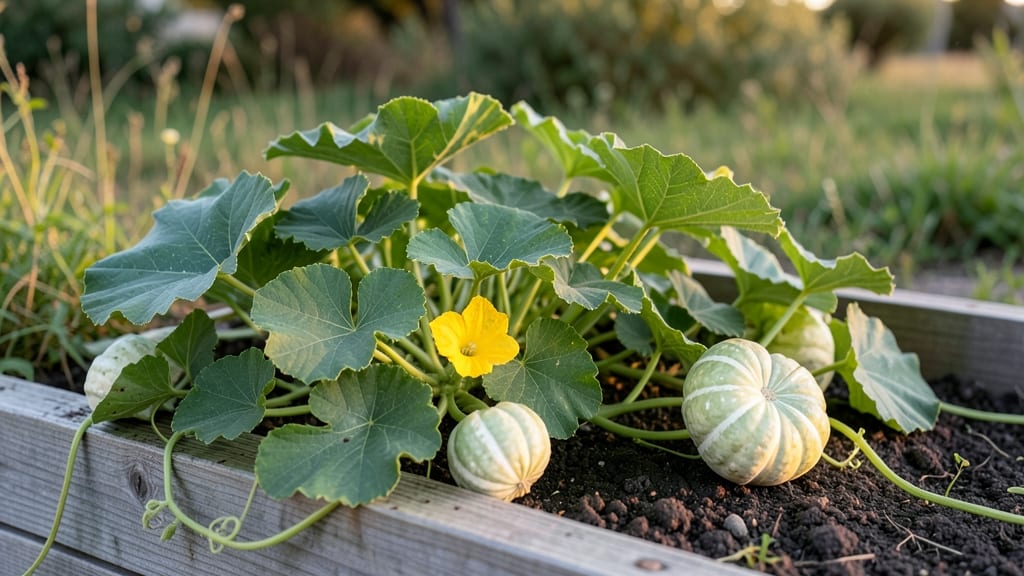
White pattypan squash grows where others fail—cool mornings, partial shade, even a late spring frost. 🌱 I’ve grown them in my shady garden for years, and they produce sweet, tender squash when most varieties wilt. The secret? Planting early, rich soil, and patience—this isn’t your typical sun-loving squash.
Start seeds indoors 4-6 weeks before last frost, then transplant after soil warms to 50°F. They thrive in partial shade (4-6 hours of sun) and tolerate cooler temps better than zucchini or yellow squash.
Water consistently—1-1.5 inches per week—and watch for powdery mildew (spray with neem oil if needed). Harvest when 3-4 inches wide for the best flavor.
📚 In This Guide
- What you need
- Instructions
- Tips and common mistakes
- Wrapping up and next steps
What you need
- ● Seeds: Pattypan squash (white variety) – 3-5 seeds per plant (start indoors 2-3 weeks before last frost or direct-sow after soil warms to 55°F+).
- ● Containers or Garden Beds: For containers: 5-gallon pots or larger (ensure drainage holes).
- ● For garden beds: Well-draining soil with 6+ inches of compost mixed in. Space plants 2-3 feet apart (they spread!).
- ● Soil: Loamy, fertile soil with a pH of 6.0-7.0. Add aged compost or well-rotted manure for nutrients.
- ● Fertilizer: Balanced 10-10-10 or 5-10-10 fertilizer (apply at planting and again when vines start running).
- ● Watering Supplies: Watering can or hose with a gentle spray nozzle (keep soil consistently moist, not soggy).
- ● Mulch: Straw or shredded leaves (2-3 inches) to retain moisture and suppress weeds.
- ○ Support (Optional but Helpful): Small trellis or cage (if vines get leggy in partial shade).
- ● Row covers (for early planting in cold regions).
- ● Sunlight: Partial shade to full sun (tolerates 4-6 hours of direct sun daily). Ideal for woodland gardens or under fruit trees.
- ● Temperature: Seeds germinate best at 70-90°F. Plants thrive in 55-85°F ranges.
- ● Patience: Germination takes 7-14 days (longer in cool soil).
Step-by-step guide to growing white pattypan squash in cooler climates
This cold-tolerant squash thrives where others fail—here’s how to coax sweet, scalloped harvests from partial shade.
🌱 Step 1: Time Planting for Cool Soil and Avoid Early Frost
White pattypan squash germinates best in 55-65°F soil—warmer than most summer crops. Start seeds indoors 3-4 weeks before your last frost date using biodegradable pots (they’ll transplant without root disturbance). Fill seed trays with sterile seed-starting mix and sow 1 seed per cell, pressing just ½ inch deep. Keep soil consistently moist but never soggy.
If your climate has short growing seasons, opt for transplants instead of seeds. Harden off seedlings by placing them outdoors in partial shade for 2-3 hours daily starting 10 days before transplanting. Watch for first true leaves—they signal readiness to move outside. Plant outdoors 2-3 weeks after last frost when soil reaches 55°F, spacing 24-36 inches apart in rows 3 feet apart. This spacing prevents crowding, which invites disease in humid conditions.
☀️ Step 2: Provide Partial Shade and Protect from Heat Stress
Unlike sun-loving summer squash, white pattypan tolerates morning sun with afternoon shade—ideal for USDA Zones 3-8. Install floating row covers or lightweight shade cloth (30-50%) during peak afternoon heat (above 85°F) to prevent sunscald on tender leaves. You’ll notice wilting or yellowing if it’s too hot; remove shade if temps drop below 75°F.
Mulch heavily with 2-3 inches of straw or shredded leaves to insulate roots and retain moisture. This is critical in partial shade, where soil dries slower. Water deeply at the base every 2-3 days (check top 1 inch of soil—it should feel dry but not bone-dry). Avoid wetting foliage to prevent powdery mildew, a common issue in humid climates.
💧 Step 3: Fertilize Lightly and Monitor for Nutrient Burn
White pattypan squash is light-feeding—too much nitrogen produces lush leaves but few fruits. At planting, mix 1 cup of 5-10-10 fertilizer per 10 feet of row into the soil. Side-dress with ½ cup of compost when vines reach 12 inches long, focusing on the hill of soil around the base. Over-fertilizing causes bitter-tasting fruit and attracts pests like squash bugs.
Watch for yellowing lower leaves—this could signal overwatering or nutrient imbalance, not necessarily deficiency. If leaves curl or develop brown edges, flush the soil with 2 gallons of water to leach excess salts. Patypans thrive on consistency, so stick to a low-and-slow feeding schedule rather than heavy doses. Harvest begins 50-60 days after transplanting, when squash reach 3-4 inches wide and scalloped edges soften to touch.
✂️ Step 4: Prune for Airflow and Harvest Before Overripening
Remove yellowed or diseased leaves immediately to improve airflow and prevent mold spread. Use clean, sharp pruners to snip at the base of the stem—never tear leaves, which creates entry points for pathogens. Thin vines if they exceed 3 feet long, focusing on side shoots that crowd the main stem. This redirects energy to fruit production rather than foliage growth.
Harvest squash every 2-3 days at peak ripeness—3-4 inches wide with bright white rind. Overripe pattypans turn yellow and tough, losing sweetness. Cut stems with 2 inches of vine attached to extend shelf life. Store in a cool (50-55°F), humid (90%+ RH) space for up to 2 weeks. If frost threatens before harvest, pick firm squash and cure them in a warm (80°F), dry place for 3 days to develop flavor.
Tips & tricks for growing cold-hardy white pattypan squash
Here's what nobody tells you about coaxing perfect pattypans from cooler climates—these tricks make all the difference when shade and temperature play tricks on you.
Soil Temperature Secret: That 55-65°F soil range isn't just a suggestion—it's the sweet spot for germination. I learned this the hard way after ruining three batches in cool spring soil. Use a soil thermometer to confirm temps before planting, especially if your mornings are still chilly. If soil runs cooler than 55°F, wait or use black plastic mulch to warm it faster. The difference between a thriving plant and a struggling one often comes down to just these few degrees.
Shade Management: The morning sun/afternoon shade balance is critical, but here's the part instructions skip: watch for subtle wilting between 11 AM and 3 PM. That's your cue to adjust shade cloth. I've seen pattypans recover completely when moved to shade at 12 PM versus those left in full sun until 2 PM—same plant, completely different results. And remember, that 30-50% shade cloth recommendation? Go lighter (20-30%) if your afternoons are mild, but heavier (50-70%) if you're pushing 90°F.
Pruning Strategy: When thinning vines that exceed 3 feet, focus on removing side shoots that angle downward—they're energy vampires that never produce fruit. I've seen gardeners prune the wrong shoots and end up with leafy monsters instead of squash. Use clean pruners and make cuts at a 45-degree angle just above a leaf node to encourage new growth. This redirecting of energy is what turns a struggling plant into a productive one.
Harvest Timing: The 3-4 inch size guideline is perfect, but here's what they don't tell you: check the scalloped edges with your thumb. When they yield slightly to gentle pressure, that's your harvest window. I've found that harvesting at this stage—when the squash is still firm but edges soften—gives the best flavor and texture. Overripe pattypans lose their sweetness quickly, so don't wait until they're fully 4 inches wide if you can help it.
Pro Tips for Pattypan Squash White
- Here's what nobody tells you about coaxing perfect pattypans from cooler climates—these tricks make all the difference when shade and temperature play tricks on you.
- Soil Temperature Secret: That 55-65°F soil range isn't just a suggestion—it's the sweet spot for germination.
- Shade Management: The morning sun/afternoon shade balance is critical, but here's the part instructions skip: watch for subtle wilting between 11 AM and 3 PM.
Frequently asked questions
about pattypan squash white—because growing (and cooking!) these unique veggies comes with its own set of curiosity! Here are answers to the most common questions:Why do my white pattypan squash turn yellow or brown before harvesting?
This is a natural sign of ripeness! White pattypan squash often develop yellow or brown patches as they mature—don’t wait for full color to pick them. Harvest when they’re firm and 3–5 inches wide for the best flavor. Pro tip: If left too long, they may toughen or split, so check them weekly!
Can white pattypan squash survive frost?
While they’re more cold-hardy than other squash varieties, a light frost (<28°F) can damage them. Plant in late spring after soil warms (60°F+) or start indoors 4–6 weeks before the last frost. For extended cool seasons, use row covers or grow them in containers to move indoors if needed.
What’s the best way to store white pattypan squash?
Store them in a cool (50–55°F), dry place with good airflow—like a pantry or fridge crisper drawer. Whole squash last 2–3 weeks, while sliced or cooked pieces keep for 3–5 days. Avoid humidity to prevent rot. Fun fact: Their unique shape makes them great for small-space storage!
Are there alternatives if white pattypan squash don’t grow well in my climate?
Try these cold-tolerant or partial-shade-friendly swaps:
- Hubbard squash – Similar texture, stores longer.
- Delicata squash – Edible skin, thrives in cooler temps.
- Zucchini (e.g., ‘Black Beauty’) – Faster-growing but needs more sun.
- ‘Sweet Dumpling’ squash – Compact, cold-resistant, and sweet!
How do I cook white pattypan squash to avoid a bitter taste?
Bitter notes come from overcooking or underripe squash. Do this:
- Roast at 400°F for 20–25 mins with olive oil, salt, and pepper.
- Sauté in butter for 5–7 mins until tender-crisp.
- Avoid boiling—it leaches flavor! Try grilling or stuffing instead.
Wrapping up and next steps
Growing pattypan squash white is a rewarding adventure—whether you're a seasoned gardener or just starting out.
This cold-hardy, shade-tolerant gem delivers delicious, versatile harvests with minimal fuss, making it a star for small spaces or cooler climates. 🌱✨ Ready to try it? Start by gathering your seeds and soil, then plant with confidence—your future meals (and bragging rights!) will thank you.
Your Next Step:
- 📅 Plan your planting date based on your local frost timeline.
- 🛒 Grab your supplies (seeds, containers, or garden plot) and get growing!
- 📸 Share your progress—tag us or fellow gardeners for tips and encouragement!