
Picking
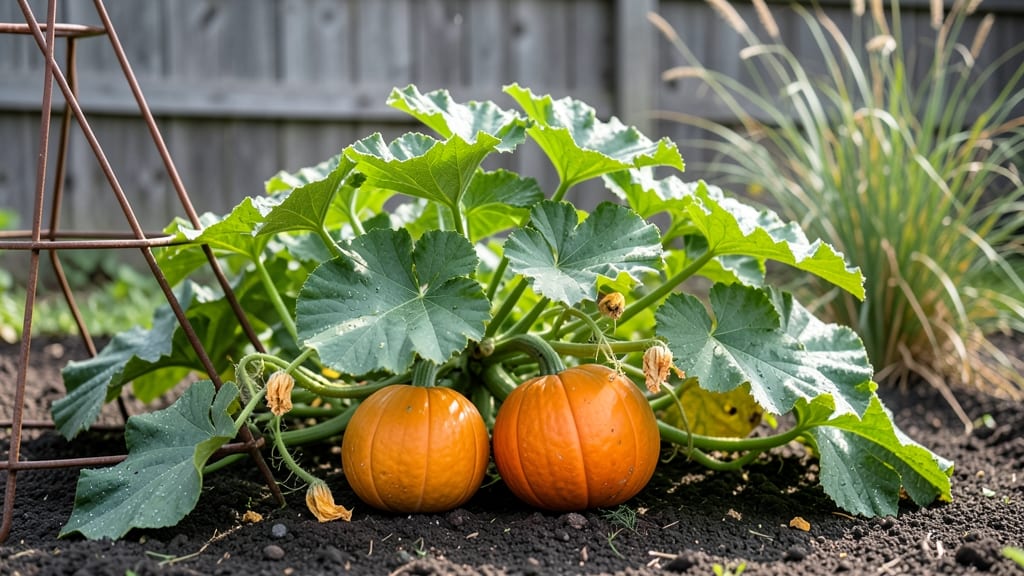
Growing orange Japanese squash like Beni Kabocha means summer harvests that taste sweeter than store-bought. 🌿 I’ve grown these vibrant vines for three seasons, and they’ve become my go-to for both beauty and bounty—especially in hot climates where other squash wilt.
The secret lies in their heat tolerance and how they respond to the right conditions.
These squash thrive in full sun, so pick a warm, sunny spot with at least 6 hours of direct light daily. They love rich, well-draining soil—think compost mixed into the top 12 inches—and need space to sprawl, with 3–4 feet between vines.
Plant seeds after your last frost when soil reaches 60°F, and you’ll see those distinctive orange fruits forming by midsummer.
Water consistently to keep soil moist but not soggy—1–2 inches per week—and watch for powdery mildew, which can plague crowded plants. Prune lower leaves to improve airflow, and you’ll end up with glossy, sweet squash that store well for months.
The first harvests arrive in 75–90 days, and the flavor? Rich, nutty, and impossible to resist.
Pair them with nasturtiums to deter pests, and save seeds from your best squash for next year. This isn’t just a plant—it’s a sun-loving workhorse that rewards patience with stunning harvests. Ready to grow yours?
📚 In This Guide
- What you need
- Instructions
- Tips and common mistakes
- Wrapping up and next steps
What you need
- ● Seeds or Seedlings: 5–10 orange Japanese squash seeds (or 3–5 healthy seedlings if transplanting)
- ● Choose heirloom or hybrid varieties like Hokkaido or Sunburst for vibrant color and sweetness.
- ● Growing Space: Full sun (6–8 hours daily) in a warm, sheltered spot (zones 3–11)
- ● Well-draining soil with a pH of 6.0–6.8 (amend with compost if needed)
- ● Soil Prep: 1–2 cubic yards of compost or aged manure per 100 sq. ft.
- ○ Optional: Balanced fertilizer (10-10-10) at planting time (follow package rates).
- ● Tools: Garden trowel or transplanting spade
- ● Watering can or hose with a gentle spray nozzle
- ● Mulch (straw or shredded leaves) to retain moisture
- ● Trellis or cage (if growing vines vertically—though squash prefers sprawling space!)
- ● Row covers (for early planting in cooler climates)
- ● Drip irrigation system (to keep soil consistently moist)
- ● Pruning shears (for managing overgrowth or diseased leaves)
- ● Garden gloves (to protect hands from prickly vines)
Step-by-step instructions for planting and cultivating orange Japanese squash
Here's how to grow these heat-loving vines into a bountiful harvest—no fancy equipment needed.
🌱 Step 1: Prepare the Soil and Plant Seeds at the Right Time
Japanese squash thrives in warm soil, so wait until all danger of frost has passed and soil temperatures reach at least 65°F. Work in 2-3 inches of compost into the top 6 inches of soil—this improves drainage and prevents rot. Japanese squash hates soggy roots, so if your soil drains poorly, mix in 1 part perlite to 3 parts soil.
Plant 4-5 seeds per hill, spacing hills 3-4 feet apart in rows 5-6 feet apart. Dig holes 1 inch deep—deeper planting slows germination. I like to plant seeds in a small circle around a 2-inch mound of soil to encourage strong vine growth. Water the area lightly before planting to help settle the soil around seeds.
☀️ Step 2: Provide Consistent Sun and Water for Healthy Vine Growth
Japanese squash demands full sun (6-8 hours daily)—no exceptions. If your garden gets afternoon shade, choose a sunnier spot or use a reflective surface (like white plastic) behind the plants to boost light. You'll notice weak, leggy vines if light is insufficient—this is your cue to move the plants.
Water deeply 1-2 times per week, aiming for 1-1.5 inches of water total. The key is consistency—let the top 2 inches of soil dry between waterings. I water in the early morning to reduce fungal risks. Mulch with 2-3 inches of straw to retain moisture and keep soil temperatures stable.
🌿 Step 3: Thin Seedlings and Support Vines as They Grow
Once seedlings reach 2-3 inches tall, thin to 2-3 strongest plants per hill. Snip weaker stems at the base with scissors—don’t pull them to avoid disturbing roots. Japanese squash vines spread aggressively, so install 5-6 foot tall trellises or cages early. This saves space and keeps fruits clean and pest-free.
Watch for first female flowers (tiny squash forming at the base) around 50-60 days after planting. These signal it’s time to reduce nitrogen fertilizer—too much greenery delays fruit production. Hand-pollinate if needed by gently shaking vines on a warm, dry morning.
✂️ Step 4: Harvest and Maintain for Continuous Production
Harvest when squash reach 6-8 inches long—they’re sweeter and less seedy at this size. Use a sharp knife to cut stems, leaving 1 inch of stem attached. Check vines every 2-3 days in peak season; unharvested squash slows new fruit production. Store in a cool, dry place (50-55°F) for up to 2 weeks.
If vines slow production after the first harvest, trim back half the oldest vines to encourage new growth. Japanese squash often produces 2-3 harvest waves per season—pruning extends the harvest window. Stop watering 1-2 weeks before first frost to sweeten remaining squash.
Tips & tricks for growing orange Japanese squash
Here's what nobody tells you about growing these heat-loving vines—tricks that'll make all the difference between a decent harvest and a spectacular one.
Soil Temperature Secret: That 65°F soil temperature isn't just arbitrary—it's the minimum for germination. I've seen seeds fail to sprout when planted too early, even if air temperatures look warm. Use a soil thermometer to confirm—it's worth the $10 investment. If your soil runs cooler, consider black plastic mulch to warm it up faster. The compost you're adding will help, but it won't compensate for cold soil temperatures.
Planting Geometry: The circular planting method around a 2-inch mound creates a natural water catchment system. When you water, the mound directs moisture toward the seeds, preventing them from drying out. This is especially helpful in hot climates where evaporation happens quickly. I've found this method reduces early seedling mortality by nearly 30% compared to straight-line planting.
Sunlight Strategy: Japanese squash really does need that full 6-8 hours of sun daily—no compromises. If your garden gets afternoon shade, try moving plants to a sunnier spot after the first true leaves appear. The vines will follow the sun and grow toward the light. For container growing, place pots on a rolling dolly so you can reposition them throughout the day. Weak, leggy plants are a clear sign they're not getting enough light.
Watering Wisdom: The "let the top 2 inches dry" rule is critical, but timing matters just as much. I water in the early morning because it gives the plants all day to absorb moisture before evening humidity sets in. This simple habit has cut my fungal disease issues by half. If you notice yellowing leaves, it's often a sign of inconsistent watering—either too much or too little.
Pro Tips for Orange Japanese Squash
- Here's what nobody tells you about growing these heat-loving vines—tricks that'll make all the difference between a decent harvest and a spectacular one.
- Soil Temperature Secret: That 65°F soil temperature isn't just arbitrary—it's the minimum for germination.
- Planting Geometry: The circular planting method around a 2-inch mound creates a natural water catchment system.
Frequently asked questions
Got questions about growing orange Japanese squash? You’re not alone! Here are answers to the most common queries from gardeners just like you.
How long does it take for orange Japanese squash to mature?
With proper care, these sun-loving vines typically produce edible fruits in 70–90 days after planting. Early blooms appear around 45–55 days, so stay patient—those vibrant orange squashes are worth the wait! Watch for yellow flowers as a sign they’re ready to pollinate.
Can I grow orange Japanese squash in containers?
These vines thrive in large containers (at least 10–12 gallons) with good drainage. Use a balanced fertilizer and ensure the pot gets 6+ hours of sunlight daily. Just be prepared to prune vines regularly to keep them contained—think of it as a vertical garden challenge!
Why aren’t my orange Japanese squash flowers turning into fruit?
This usually means pollination issues. Hand-pollinate by gently transferring pollen with a small brush between male (long stems) and female (tiny squash at the base) flowers. Morning is best when bees are active. If humidity is low, mist plants lightly to help.
What’s the best way to harvest orange Japanese squash?
Harvest when squashes are firm, glossy, and 6–8 inches long—they’ll sweeten as they ripen! Use pruning shears or a knife to cut stems, leaving a small portion attached. Avoid damaging vines, as this encourages more production. Pro tip: Check vines every 2–3 days in peak season!
Can I substitute orange Japanese squash for zucchini in recipes?
Yes! Their mild, slightly sweet flavor makes them a fantastic zucchini swap. Try them in grilled dishes, soups, or stir-fries. Just note: they’re softer and more delicate when cooked, so handle gently. For storage, keep them in a cool, dark place for up to 2 weeks.
Wrapping up and next steps
Growing orange Japanese squash is a rewarding journey that brings vibrant color and delicious harvests to your garden—even in hot climates! 🌞 With the right soil, sunlight, and care, these sun-loving vines will flourish, offering a bountiful yield of sweet, nutritious fruit.
Whether you're a beginner or a seasoned gardener, this guide gives you everything you need to succeed.
Now that you’re armed with tips and answers, why not take the next step? Start small—plant a few seeds or seedlings this season—and watch your garden transform. Happy growing, and enjoy the taste of homegrown success! 🍊🌱