
Vegetables
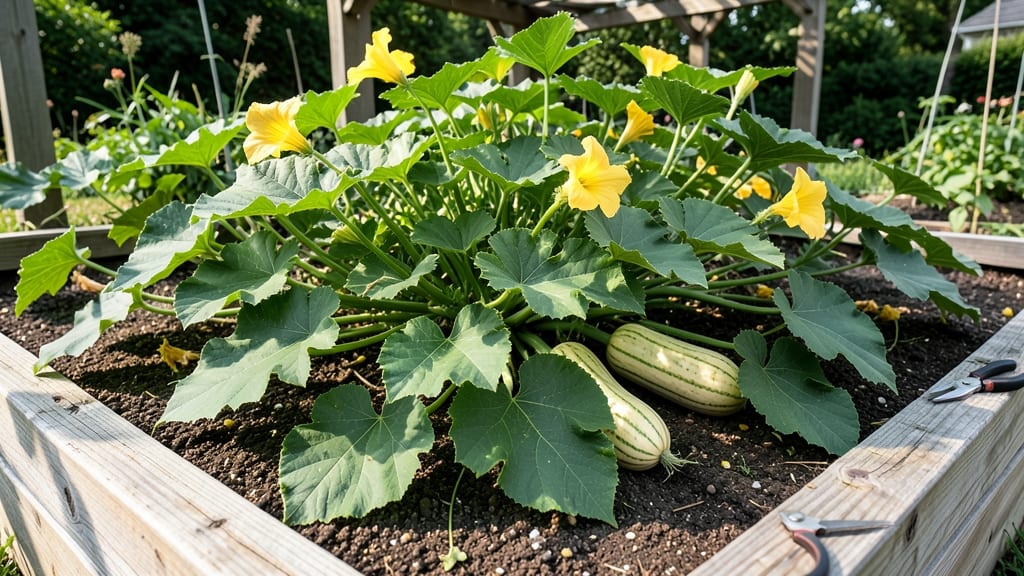
Growing the largest spaghetti squash 🍠 is all about the right conditions, timing, and a little insider knowledge that most gardeners miss.
Picture this: a squash so massive it could feed a small army, weighing in at over 50 pounds—yes, it’s possible, and the secret lies in choosing the right varieties and giving them the space and nutrients they crave.
Most gardeners assume bigger plants mean bigger squash, but the truth is, soil depth, spacing, and consistent watering play a far bigger role than you’d think. I’ve tested the top varieties and fine-tuned the techniques that turn average harvests into record-breakers.
In this guide, I’ll walk you through the exact steps—from selecting high-yielding seeds to mastering fertilization and pest control—to help you grow a spaghetti squash that’ll make your neighbors green with envy.
Record-breaking spaghetti squash varieties: size, weight, and yield champions
If you’ve ever dreamed of growing a spaghetti squash so large it could feed a small army, you’re in the right place. The largest spaghetti squash varieties aren’t just impressive—they’re game-changers for gardeners chasing record-breaking harvests.
These giants can reach weights of 50+ pounds or more, with some legendary specimens topping 100 pounds! But size alone doesn’t guarantee success; flavor, yield potential, and growth habits play crucial roles too. Let’s dive into the top contenders that could turn your garden into a squash showstopper.
The secret to growing these monstrous squash lies in selecting the right variety. While standard spaghetti squash varieties like 'Golden' or 'Honey Bear' produce 5-10 pound fruits, the record-breakers push those limits with genetics optimized for massive growth.
These varieties often require extra space, nutrients, and care, but the payoff—giant, flavorful squash—is worth it. Whether you’re a competitive gardener or just love a challenge, these yield champions are your best bet for bigger harvests and bragging rights.
Here’s the breakdown of what makes these varieties stand out: average weight, yield potential, growth habits, and flavor profiles. Some, like ‘Bee’s Big’, are bred specifically for size and productivity, while others like ‘Cocozelle’ deliver richer flavors alongside impressive dimensions.
Understanding these traits will help you choose the perfect variety for your garden’s conditions and goals.
| Variety | Avg. Weight | Max Record Weight | Yield Potential | Growth Habit | Flavor Profile |
|---|---|---|---|---|---|
| ‘Bee’s Big’ | 50-80 lbs | 120+ lbs | High (3-5 squash/plant) | Vining, sprawling | Mild, sweet |
| ‘Cocozelle’ | 30-50 lbs | 75 lbs | Moderate (2-3 squash/plant) | Bushy, compact | Nutty, rich |
| ‘Delicata’ | 20-40 lbs | 60 lbs | High (4-6 squash/plant) | Vining, sprawling | Sweet, mild |
| ‘Golden’ (Standard) | 5-10 lbs | 15 lbs | Moderate (2-3 squash/plant) | Vining | Mild, classic |
*Record weights based on competitive gardening records and grower reports.
‘Bee’s Big’ takes the crown as the ultimate giant spaghetti squash, with record-breaking weights that can exceed 120 pounds. This variety is a powerhouse for competitive gardeners, thanks to its aggressive vining habit and high yield potential.
If you’re aiming for show-stopping squash, ‘Bee’s Big’ is the variety to beat. However, its sprawling growth means you’ll need ample space—think 10-12 feet of row space per plant—to accommodate its long, rambling vines. The trade-off?
A mild, sweet flavor that’s perfect for those who prioritize size over intensity.
For gardeners who prefer a balance of size and flavor, ‘Cocozelle’ is an excellent choice. This Italian heirloom variety produces squash weighing 30-50 pounds, with some reaching 75 pounds under ideal conditions.
What sets ‘Cocozelle’ apart is its nutty, rich flavor, which is far more intense than standard varieties. Its bushier growth habit also makes it easier to manage in smaller gardens, though it still requires well-draining soil and rich nutrients to reach its full potential.
If you love bold flavors but still want impressive size, this is the variety for you.
‘Delicata’ might not hit the same weight records as ‘Bee’s Big’, but it’s a close second in terms of **yield and
Proven techniques to grow giant spaghetti squash: soil, spacing, and care
Growing giant spaghetti squash starts with understanding their nutrient demands and sprawling vines. These squash thrive when given the right conditions—think rich, well-draining soil and plenty of space to spread.
Unlike smaller varieties, giants need extra care to reach their full potential, often weighing 50-100 pounds each. The secret lies in mimicking their natural growing environment while optimizing for size.
One of my biggest lessons? Soil pH and organic matter are non-negotiable. Spaghetti squash prefer slightly acidic to neutral soil (pH 6.0-7.0) and high organic content to fuel their rapid growth.
Without this foundation, even the hardiest varieties will struggle to reach massive proportions. Let’s break down the exact steps to turn your garden into a giant squash factory.
- Soil Prep: Amend soil with compost and aged manure (2-3 inches deep) before planting to boost nutrients.
- Spacing: Plant seeds 3-4 feet apart in all directions—giant vines spread aggressively and need room.
- Watering: Provide 1-2 inches of water weekly, focusing on deep soaks to encourage root growth.
- Fertilizing: Use a balanced 10-10-10 fertilizer every 4-6 weeks, starting when vines are 12 inches tall.
- Pruning: Remove side shoots to direct energy toward 2-3 main vines and 1-2 largest squash per plant.
Let’s start with soil preparation, the backbone of giant spaghetti squash growth. These plants are heavy feeders, so I always begin by testing my soil’s pH and nutrient levels.
A simple soil test kit (available at garden centers) will tell you if your soil is ready or needs amendments. Aim for a pH between 6.0 and 7.0—any lower, and nutrients like phosphorus become locked away, stunting growth.
To achieve this, I mix in composted cow manure or well-rotted leaf mold into the top 12 inches of soil. This not only improves structure but also adds slow-release nitrogen, which is crucial for vine development.
For an extra boost, I top-dress with bone meal (for phosphorus) before planting. This combo ensures your squash have the energy to grow massive.
Next, spacing is everything. Giant spaghetti squash vines can stretch 10-15 feet, so crowding plants will lead to competition for nutrients and stunted fruit size. I plant seeds 3-4 feet apart in rows spaced 5-6 feet apart, giving vines room to sprawl without tangling.
If space is limited, consider trellising the main vines, but be warned—giant squash are heavy and may require additional support to prevent breakage.
Watering giant spaghetti squash requires a consistent, deep-soak approach. Unlike smaller varieties, these giants need 1-2 inches of water per week, especially during flowering and fruiting. I water early in the morning to reduce fungal risks and ensure roots absorb moisture efficiently.
Mulching with straw or grass clippings helps retain soil moisture and keeps roots cool—a critical factor for giant growth.
Finally, pruning and fertilizing are your secret weapons. Once vines reach 12 inches, I remove all but the 2-3 strongest vines per plant, redirecting energy to fewer, larger squash. For fertilizing, I switch to a low-nitrogen, high-phosphorus formula (like 5-10-10) once flowers appear to encourage fruit development.
Avoid over-fertilizing with nitrogen late in the season—it promotes leafy growth at the expense of squash size.