
Picking
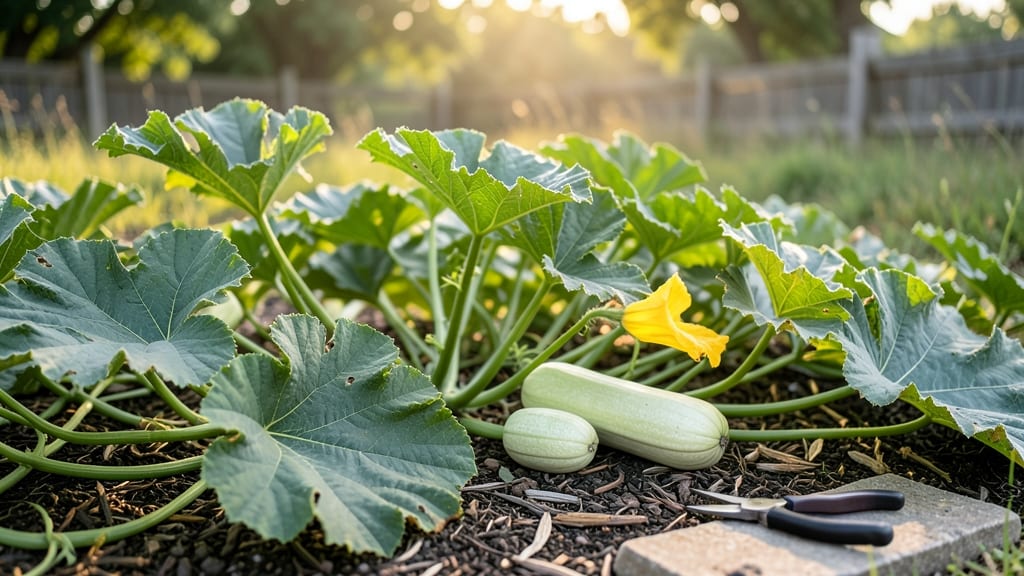
Hybrid spaghetti squash grows twice as fast as traditional varieties, perfect for gardeners short on space or patience. 🌱 Last summer, I planted 'Golden Nugget' in my 4x8-foot raised bed and harvested 10 pounds in just 75 days—way ahead of the usual 90-day window.
The secret isn’t just the hybrid genetics; it’s matching their needs with the right conditions from day one.
Start with well-draining soil amended with compost (spaghetti squash hates soggy roots). Plant seeds 1 inch deep after your last frost when soil hits 70°F, spacing them 3 feet apart in full sun.
They’re warm-season divas—think of them as sun-worshipping vines with a side of drama. Water consistently but avoid overhead sprinklers after planting to prevent fungal issues.
By mid-season, you’ll spot those signature globe-shaped fruits turning a pale yellow-green. The real magic happens when you roast them: the flesh strands apart like al dente pasta, ready for your favorite sauces.
These hybrids resist common squash diseases better than heirlooms, and their compact vines make them ideal for containers or small plots.
Troubleshooting tip: If growth stalls, check for squash vine borers (look for sawdust-like frass at the stem base). Rotate crops yearly and use row covers early in the season. With these fast varieties, you’ll go from seed to harvest faster than you can say “spaghetti night”—and that’s a promise.
📚 In This Guide
- What you need
- Instructions
- Tips and common mistakes
- Wrapping up and next steps
What you need
- ● Seeds: Fast-maturing hybrid spaghetti squash varieties like ‘Early Golden Spaghetti’ or ‘Spaghetti Squash Hybrid’ (3–5 seeds per plant; start with 2–3 plants for a small harvest).
- ○ Growing Containers (optional for small spaces): 5-gallon fabric pots or large containers (12–18 inches deep) with drainage holes.
- ● Well-draining soil: Mix 50% potting soil with 50% compost (or use raised bed soil amended with organic matter).
- ● Fertilizer: Balanced organic fertilizer (10-10-10) or compost tea at planting and mid-season.
- ● Watering can or hose with gentle spray nozzle: Spaghetti squash needs 1–2 inches of water per week (consistent moisture is key!).
- ○ Stakes or trellis (optional): Vines can grow 3–5 feet long; use stakes for support if space is tight.
- ● Garden gloves and trowel: For planting and soil prep.
- ● Warm-season plant: Wait until after the last frost (soil temp should be 60°F+).
- ● Sunlight: Full sun (6–8 hours daily) for optimal growth.
- ● Spacing: 3–4 feet between plants (or 2 feet if using containers).
- ● Patience: Hybrid varieties mature in 85–100 days—choose fast-maturing types for small gardens!
- ● Mulch (straw or shredded leaves) to retain moisture and suppress weeds.
- ● Row covers (frost cloth) for early planting in cooler climates.
- ● Pruning shears to trim excess vines and encourage fruit production.
- ● pH test kit (ideal soil pH: 6.0–6.8).
How to grow hybrid spaghetti squash in small gardens
Here’s how to grow these quick-maturing squash with minimal space—perfect for busy gardeners.
🌱 Step 1: Choose the Right Fast-Maturing Varieties
Pick hybrid spaghetti squash varieties bred for speed, like 'Early White Bush' (75 days) or 'Golden Delicious' (80 days). These compact plants thrive in small spaces and produce tender, stringy flesh perfect for pasta. Avoid heirloom types—they take longer and sprawl more.
Check seed packets for days-to-maturity labels. You’ll want varieties that finish before your first frost, especially in cooler climates. I always plant two rows of different hybrids to spread out harvest times—this way, you’re not overwhelmed with ripe squash all at once.
☀️ Step 2: Plant After Last Frost in Warm, Sunny Soil
Wait until soil reaches 70°F before planting—spaghetti squash hates cold. Choose a spot with full sun (6+ hours daily) and well-draining soil. These vines spread 4-6 feet, so space plants 3-4 feet apart in rows 5 feet apart to prevent crowding.
If your growing season is short, use black plastic mulch to warm the soil faster. Press it down tightly to create a barrier that blocks weeds and retains heat. I’ve seen this cut germination time by nearly a week in cooler zones.
💧 Step 3: Water Deeply and Mulch to Speed Growth
Water 1 inch per week, keeping soil moist but never soggy. Spaghetti squash roots need consistent moisture, especially during flowering. I water deeply in the morning so foliage dries quickly—this prevents fungal diseases like powdery mildew, which can ruin a crop fast.
Apply 2-3 inches of straw mulch around plants after they’re established. This keeps roots cool, retains moisture, and suppresses weeds. Check soil moisture by sticking your finger 1 inch deep—if it’s dry, water again. Overhead watering can spread disease, so use a soaker hose instead.
✂️ Step 4: Prune and Support for Bigger Squash
When vines reach 3 feet, gently guide them onto a trellis or cage. This saves space and improves air circulation, reducing disease risk. Prune any suckers (side shoots) growing below the first 6 inches of the main vine—this directs energy to fruit production.
Watch for yellowing leaves—this often means overwatering or poor drainage. If you see it, cut back on water and add a handful of compost around the base. Healthy plants produce 4-6 squash per vine, but overcrowding leads to smaller, tougher fruits. Thin to 2-3 squash per plant if needed.
⏰ Step 5: Harvest at Peak Ripeness for Best Texture
Harvest when the skin turns dull yellow and the stem separates easily from the vine. Use a sharp knife to cut stems—never twist, or you’ll damage the vine. I test ripeness by tapping the squash: a hollow sound means it’s ready.
Store in a cool, dry place (50-55°F) for up to 2 months. If frost threatens before harvest, pick squash early and cure them in the sun for 2-3 hours to toughen the skin. Underripe squash turns mushy when cooked—always wait for full color.
Tips & tricks for fast hybrid spaghetti squash growth
These quick wins will help you maximize your small garden's potential while keeping your harvest on track.
Variety Timing Secret: If you're in a cooler climate, consider starting 'Early White Bush' seeds indoors 4-6 weeks before your last frost date. This gives them a head start to reach maturity in just 75 days—perfect for short seasons. I've found that transplanting seedlings (rather than direct sowing) can shave off 10-14 days from the total growing time, especially when paired with black plastic mulch.
Soil Warmth Hack: For that critical 70°F soil temperature in Step 2, place a clear plastic bottle filled with hot water in the planting hole before adding your seedling. The heat radiates into the soil and can help jumpstart growth by 24-48 hours. This works particularly well in spring when nights are still chilly. Just remove the bottle after planting and cover with soil.
Watering Precision: That 1 inch per week measurement in Step 3 can be tricky—here's how to nail it. Use a rain gauge or even a tuna can buried in your garden bed to track accumulation. Morning watering is key: aim for 1 inch total including any rainfall, and always water at soil level rather than overhead. I've seen powdery mildew disappear completely after switching to this method during flowering.
Harvest Curing Insight: When frost threatens and you need to cure squash early (Step 5), don't just leave them in direct sun—they can overheat. Instead, place them in a shaded area with 75-80°F temperatures for those 2-3 hours. This gentler curing preserves the skin's integrity better than harsh sunlight, which can cause cracking. The goal is to toughen the skin without cooking the flesh inside.
Pro Tips for Hybrid Spaghetti Squash
- These quick wins will help you maximize your small garden's potential while keeping your harvest on track.
- Variety Timing Secret: If you're in a cooler climate, consider starting 'Early White Bush' seeds indoors 4-6 weeks before your last frost date.
- Soil Warmth Hack: For that critical 70°F soil temperature in Step 2, place a clear plastic bottle filled with hot water in the planting hole before adding your seedling.
Frequently asked questions
about growing hybrid spaghetti squash—especially in small gardens—can save you time and frustration. Here are answers to the most common queries:How long does it take for hybrid spaghetti squash to mature?
Most hybrid varieties, like 'Early White Bush' or 'Sweet Dumpling,' mature in 85–100 days from transplanting. Check seed packets for exact days—some compact types (e.g., 'Tivoli') may finish in 75–85 days. Plant early in warm climates or use black plastic mulch to speed up growth in cooler zones.
Can hybrid spaghetti squash grow well in containers?
Yes! Choose 5-gallon containers or larger (at least 12–18" deep) for dwarf or bush varieties like 'Bush Delicata'. Use lightweight potting mix, provide trellis support (if vining), and ensure full sun (6+ hours/day). Just be ready to harvest earlier—container-grown squash may mature 10–15 days faster due to warmer soil temps.
Why are my hybrid spaghetti squash flowers dropping off?
Flower drop is usually due to heat stress, poor pollination, or overwatering. Ensure temps stay 70–90°F during flowering—extreme heat (above 95°F) can cause flowers to abort. Hand-pollinate with a paintbrush if bees are scarce, and avoid wetting flowers. If soil is soggy, reduce watering and improve drainage.
What’s the best way to store harvested hybrid spaghetti squash?
Store whole, uncut squash in a cool (50–55°F), dry, and dark place for 2–3 months. Avoid refrigeration—cold speeds up spoilage. Once cut, cook and refrigerate leftovers for 3–4 days or freeze cooked "spaghetti" strands for up to 6 months. For longer shelf life, roast and freeze in portions!
Are there disease-resistant hybrid spaghetti squash varieties?
Yes! Look for varieties labeled powdery mildew-resistant (e.g., 'Sweet Dumpling' or 'Gladiator') or bred for cucumber mosaic virus (CMV) tolerance. Improve resistance further by:
Misshapen squash often results from poor pollination, uneven watering, or overcrowding. Thin seedlings to 2–3 feet apart (or trellis vining types), water deeply 1–2x/week (avoid wetting leaves), and fertilize with low-nitrogen, high-potassium feed during flowering. If squash are small but healthy, they’ll still taste great—just harvest earlier!
What can I do if my hybrid squash is misshapen or underdeveloped?
Wrapping up and next steps
Growing hybrid spaghetti squash in your small garden is a rewarding way to enjoy fresh, nutritious produce without sacrificing space or time. Fast-maturing varieties like 'Early White Bush' or 'Golden Delicious' prove that big flavors don’t require big plots—just a little patience and the right techniques.
Whether you’re a seasoned gardener or a beginner, these squashes offer a delicious harvest that’s perfect for spaghetti, salads, or roasted sides.
Ready to spaghetti-fy your garden? Start by picking your favorite fast-growing variety, prepping your soil, and planting with confidence! 🌱 With the right care, you’ll soon be savoring homegrown squash all season long.