
How To
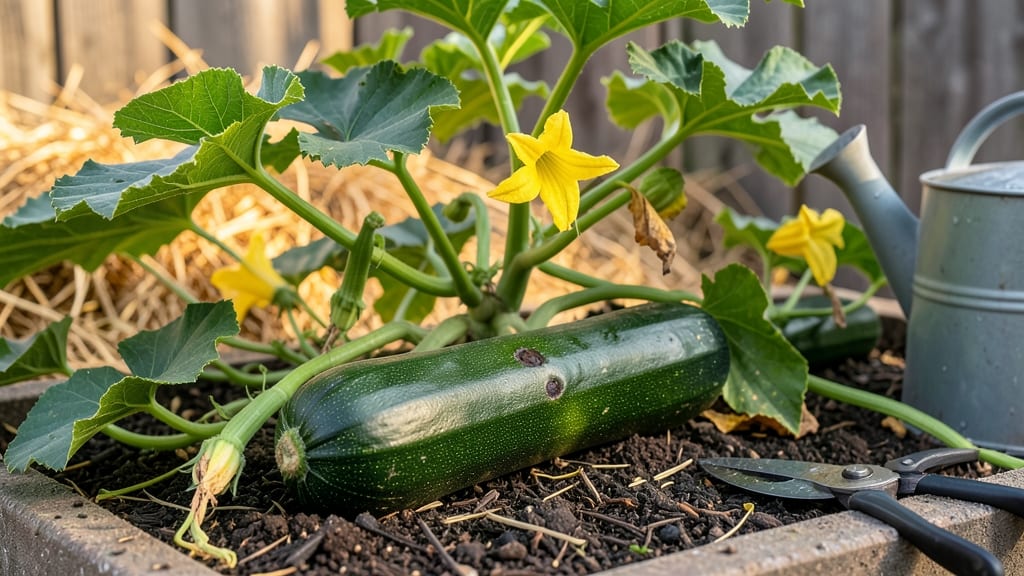
Learn how to treat toxic squash syndrome before your squash plants wilt faster than a summer salad—bacteria, fungus, or even herbicide drift can turn your vines into sad, crumpled messes. 🌱 I’ve watched this disease wipe out entire gardens in a week. but there are ways to fight back before you lose the harvest.
The culprits? Often bacterial wilt (from infected seeds or tools) or herbicide drift (when neighbors spray too close). Symptoms start with yellowing leaves, then wilting that spreads upward like a bad rumor. The key to saving your plants?
Act fast—prune infected vines immediately, sterilize tools with 70% rubbing alcohol, and avoid overhead watering to stop spores from splashing. For mild cases, copper fungicide or bacillus subtilis sprays can slow the spread.
In bad outbreaks, pull the plants and rotate crops—don’t replant squash, pumpkins, or cucumbers in the same spot for 3 years. Resistant varieties like ‘Defender’ or ‘Tasty Jade’ are your best bet next season.
Prevention is easier than cleanup: test your soil for toxicity, keep weeds down, and scout for pests that spread disease. And yes, that yellowing could be nutrient deficiency—but if the stems ooze when cut, it’s Toxic Squash Syndrome—and you’re already too late for those plants. Let’s save the rest.
The Hidden Triggers Behind Toxic Squash Syndrome
Toxic squash syndrome isn’t just a random misfortune—it’s the result of specific, often overlooked factors that disrupt your plants’ health. Understanding these causes is the first step to preventing and treating the issue.
Below, we break down the key culprits behind your squash’s sudden decline, backed by science and actionable insights.
Squash plants, like many vining varieties, thrive when their roots have ample space to spread. When roots become overcrowded, they compete aggressively for nutrients, water, and oxygen. This competition triggers a chain reaction:
- 🔬 Root Suffocation: Compacted soil or densely planted seeds force roots to grow in tight clusters. Without proper aeration, roots suffocate, leading to anaerobic conditions (low oxygen). This stress signals the plant to redirect energy toward survival rather than fruit production.
- 💧 Nutrient Starvation: In crowded conditions, roots exhaust local nutrient reserves faster than they can replenish them. Squash plants, which are heavy feeders, become malnourished, manifesting as yellowing leaves, stunted growth, and—ultimately—toxic buildup in the fruit.
- 🦠 Pathogen Hotspots: Overcrowded roots create the perfect environment for soil-borne pathogens like Phytophthora or Fusarium. These microbes thrive in damp, root-dense zones, releasing toxins that seep into the plant’s vascular system.
Actionable Fix: Space squash plants 4–6 feet apart (or follow seed packet guidelines). If replanting, amend soil with compost or perlite to improve drainage and reduce root competition.
Squash plants are sensitive to moisture extremes, and both overwatering and underwatering can trigger toxic syndrome. Here’s how:
🔥 Overwatering: The Drowning Effect
- 🌊 Root Rot: Excess water displaces oxygen in the soil, causing roots to drown. This leads to Pythium or Phytophthora infections, which release toxins that disrupt the plant’s ethylene production (a hormone regulating growth and fruit development).
- 🧪 Nutrient Leaching: Overwatered soil flushes out essential minerals like calcium, magnesium, and potassium. Without these, squash plants develop blossom-end rot (a calcium deficiency) and accumulate harmful nitrate buildup, which can make fruits toxic.
🏜️ Underwatering: The Stress Response
- 🌡️ Transpiration Stress: When soil dries out, squash plants close stomata (pores on leaves) to conserve water. This halts photosynthesis, causing the plant to reabsorb nutrients from leaves and fruits—including bitter cucurbitacins, compounds that can make squash toxic.
- 🌀 Soil Salinity Spike: In dry conditions, residual salts and minerals concentrate in the root zone. These osmotic stresses force the plant to absorb more water (and toxins) to survive, further escalating the problem.
Actionable Fix:
- 💧 Water deeply but infrequently: Aim for 1–1.5 inches per week (adjust for climate). Use a moisture meter or the finger test (insert 2 inches into soil—if dry, water).
- 🌿 Improve drainage: Raise beds or mix in sand or coconut coir to prevent waterlogging.
- 🚫 Avoid wetting foliage: Use drip irrigation to deliver water directly to roots, reducing fungal growth.
Certain fungi don’t just infect squash—they poison them. The most notorious offenders include:
| Fungus | How It Triggers Toxicity | Tell-Tale Signs |
|---|---|---|
| Fusarium oxysporum | Produces mycotoxins that disrupt the plant’s ethylene pathway, causing abnormal fruit development. | Wilting (even when soil is moist), vascular discoloration (brown streaks in stems). |
| Pythium spp. | Causes root rot, leading to systemic toxin absorption from decaying roots. | Soft, mushy roots; leaves turn black and collapse. |
| Alternaria solani | Releases cucurbitacin (a bitter compound) as a defense mechanism, making fruits toxic. | Dark spots on leaves; fruits develop a bitter taste. |
Actionable Fix:
- 🛡️ Prevent fungal spread: Rotate crops (avoid planting squash in the same spot for 3+ years).
- 🌱 Use resistant varieties: Opt for ‘Butternut,’ ‘Delicata,’ or ‘Zucchini’—these are less prone to fungal toxicity.
- 💊 Apply fungicides early: Spray with copper-based fungicides or neem oil at the first sign of leaf spots.
Squash plants are heavy feeders, and their soil must strike a delicate balance. Three key imbalances can trigger toxic syndrome:
- 🔋 Nitrogen Overload: Too much nitrogen (from fertilizers or compost) promotes leafy growth at the expense of fruit development. This causes excessive vegetative growth, diluting the plant’s energy and leading to poor fruit quality (including toxicity).
- 🧂 Salt Buildup: Over-fertilization or poor-quality water (high in chlorides or sodium) creates osmotic stress. The plant struggles to absorb water, forcing it to uptake heavy metals or toxins from the soil.
- 🪨 Calcium Deficiency: Squash fruits require calcium to develop properly. Without it, fruits develop blossom-end rot and accumulate oxalates, which can be harmful if consumed.
Actionable Fix:
- 📊 Test your soil: Use a home soil test kit to check pH (ideal: 6.0–6.8) and nutrient levels.
- 🍃 Balance fertilizers: Use a low-nitrogen, high-potassium fertilizer (e.g., 5-10-10) during flowering/fruiting stages.
- 🥛 Add calcium: Mix in crushed eggshells, lime, or calcium nitrate to prevent deficiencies.
By addressing these root causes—literally and figuratively—you can prevent toxic
Quick Fixes for Wilted Vines
Toxic Squash Syndrome (TSS) can turn your thriving squash plants into sad, wilted vines overnight—but don’t panic! The good news is that most cases are reversible with the right care.
Below, we’ve mapped practical fixes directly to the most common causes, so you can act fast and restore your garden’s health. Prevention tips are included to keep your squash plants strong for the long haul.
Problem: Too much water or soggy soil suffocates roots, inviting fungal infections and rot.
How to Fix It:
- 🔥 Step 1: Stop Watering Immediately Let the soil dry out completely for 24–48 hours. Overwatering is the #1 killer of squash plants—don’t drown them!
- 🍳 Step 2: Improve Drainage Amend heavy or compacted soil with organic matter like compost, coconut coir, or perlite. For container plants, ensure pots have drainage holes.
- 👨🍳 Step 3: Adjust Your Watering Routine Water deeply but infrequently—aim for 1–1.5 inches per week, delivered at the soil level (not overhead). Early morning is best to prevent fungal growth.
💡 Prevention Tip: Test your soil’s moisture by sticking your finger 2 inches deep—if it’s damp, wait. Use a moisture meter for accuracy.
Problem: Yellowing leaves, black spots, or mushy stems signal fungal/bacterial invaders (like powdery mildew or Pythium).
How to Fix It:
- 🔪 Step 1: Prune Infected Areas Snip off yellowed or spotted leaves with sterilized scissors (rinse with rubbing alcohol between cuts). Dispose of debris in the trash—not the compost!
- 🌡️ Step 2: Apply Fungicide or Baking Soda Spray For mild cases, mix 1 tsp baking soda + 1 tbsp vegetable oil + 1 tsp dish soap per quart of water.
Spray under leaves every 7–10 days. For severe infections, use a copper-based fungicide or neem oil (follow label instructions).
- 🎯 Step 3: Boost Air Circulation Space plants 3–4 feet apart and stake vines to prevent humidity buildup. Avoid overhead watering—use a drip irrigation system instead.
✨ Prevention Tip: Rotate crops yearly—never plant squash, cucumbers, or melons in the same spot two years in a row. Solarize soil in fall by covering it with clear plastic for 4–6 weeks to kill pathogens.
Problem: Chewed leaves, sticky residue (honeydew), or tiny eggs on stems weaken plants.
How to Fix It:
- 🔥 Step 1: Handpick Pests Check under leaves for eggs or adults. Drop them into soapy water (1 tbsp dish soap per gallon). Do this early in the morning when pests are sluggish.
- 🍳 Step 2: Use Natural Repellents
- Neem oil spray (1 tbsp neem oil + 1 tsp mild soap per quart of water) disrupts pests’ life cycles.
- Diatomaceous earth (food-grade only) creates a barrier—sprinkle lightly around stems (reapply after rain).
- Row covers (floating fabric) block beetles while allowing pollination.
- 👨🍳 Step 3: Introduce Beneficial Insects Release ladybugs, lacewings, or parasitic wasps (available at garden centers) to prey on aphids and squash bugs.
💡 Prevention Tip: Plant marigolds, nasturtiums, or basil nearby—their strong scents repel pests. Interplant with radishes or onions to confuse beetles.
Problem: Weak stems, pale leaves, or stunted growth often mean nitrogen, potassium, or magnesium imbalances.
How to Fix It:
- 📊 Step 1: Test Your Soil Use a home soil test kit (or send a sample to a local extension office). Squash thrive in slightly acidic to neutral soil (pH 6.0–7.0).
- 💪 Step 2: Fertilize Smartly
- For nitrogen deficiency (yellow lower leaves): Use compost tea or a balanced organic fertilizer (like 5-5-5).
- For potassium deficiency (weak stems, brown edges): Add wood ash (sparingly) or a banana peel tea (steep peels in water for 24 hours).
- For magnesium deficiency (yellow patches between veins): Sprinkle Epsom salt (1 tbsp per gallon of water) every 2 weeks.
- 🥗 Step 3: Avoid Over-Fertilizing Too much fertilizer burns roots. Side-dress (apply fertilizer beside roots, not on leaves) and water thoroughly after.
✨ Prevention Tip: Mulch with straw or grass clippings to retain moisture and slowly release nutrients. Avoid fresh manure—it can burn plants; compost it first.
Problem: Extreme temperatures or harsh winds cause wilting, even if soil is moist.
How to Fix It:
- 🌡️ Step 1: Shield from Elements
- For heat stress: Provide shade cloth (30–50%) during peak sun (10 AM–4 PM).
- For wind damage: Use stakes or cages to support vines and plant near a windbreak (like a fence or tall grass).
- 🍎 Step 2: Adjust Watering for Weather
- Hot days: Water deeply twice a day (early morning + late evening).
- Cold snaps: Cover plants with row fabric at night if temps drop below 50°F (10°C).
- 🎯 Step 3: Choose Heat-Tolerant Varieties Next season, opt for ‘Ambrosia’, ‘Butternut’, or ‘Zucchini ‘Eight Ball’—they handle heat better than standard squash.
💡 Prevention Tip: Mulch with straw or black plastic to regulate soil temperature. Drip irrigation keeps roots cool in summer.
If your squash is already collapsed, act fast:
- Trim all damaged leaves (even if it looks drastic—it helps the plant focus energy).
- Soak roots in a bucket of water for 10–15 minutes to rehydrate.
- Transplant (if possible) into fresh, well-draining soil with a balanced fertilizer.
- Monitor closely—if no improvement in 3–5 days, consider replacing the plant to save your harvest.
Final Reminder: Toxic Squash Syndrome is often a combination of issues (e.g., overwatering + fungal infection). Tackle one problem at a time, and your plants will bounce back! For persistent issues, consult a local gardening expert or extension service—they can provide tailored advice. 🌱
Frequently asked questions
What are the first signs that my squash plants have toxic syndrome?
Look for sudden wilting (even when soil is moist), yellowing leaves starting at the bottom, and stems that ooze when cut. Another red flag is abnormal fruit development—lumpy, misshapen, or bitter-tasting squash. If you see these symptoms, act fast to save nearby healthy plants.
Can I save a squash plant already showing toxic syndrome symptoms?
For mild cases, you can try pruning infected leaves and applying copper fungicide or a baking soda spray. However, if the plant is already collapsed or stems are mushy, it’s best to remove it immediately to prevent spreading. The key is stopping the infection before it reaches other plants.
How do I know if my squash is safe to eat after treating toxic syndrome?
If your squash was exposed to fungal toxins (like Fusarium), it’s safer to discard affected fruits. For bacterial wilt or herbicide drift, cook the squash thoroughly (165°F internal temp) to kill pathogens. When in doubt, save it for non-edible uses like compost or mulch.
What’s the best way to prevent toxic syndrome in future squash crops?
Start with crop rotation—avoid planting squash in the same spot for 3+ years. Use resistant varieties like ‘Butternut’ or ‘Delicata’, and sterilize tools with 70% rubbing alcohol between plants. Also, test soil for herbicide residues and improve drainage with compost.
Can herbicide drift cause toxic syndrome in my squash?
Yes! Herbicide drift (especially glyphosate) can weaken squash plants, making them more susceptible to infections. If you suspect drift, flush the soil with 1–2 inches of water and apply activated charcoal to bind toxins. For prevention, plant squash at least 20 feet from treated areas.