
How To
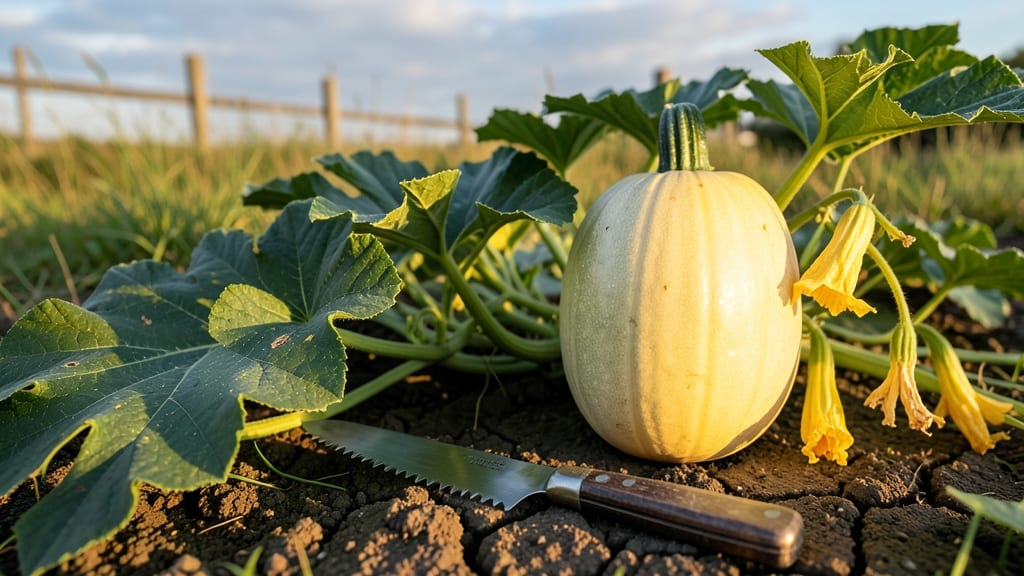
To tell when spaghetti squash 🎃 is ready to pick, watch for three key signals: a dull yellow skin, a stem that’s drying out, and a firm but slightly yielding rind.
Picking too early means tough, fibrous strands instead of tender, noodle-like perfection—so knowing the exact moment to harvest can make or break your meal.
Most gardeners miss the window because they focus on color alone, but the real test is in the touch and sound. A ripe squash should feel heavy for its size and make a hollow thud when tapped.
Below, I break down each cue—plus how to adjust if your squash is under- or overripe—so you never waste a harvest again.
3 Visual cues that prove your spaghetti squash is perfectly ripe
Spaghetti squash transforms from a hard, inedible rind into a delicate, noodle-like delight when harvested at the right moment. The difference between perfectly ripe and overripe squash comes down to three key visual cues that every gardener should master.
Ignoring these signs often leads to fibrous strands or mealy texture, ruining your harvest before it even reaches the kitchen.
I’ve learned the hard way—my first attempt at growing spaghetti squash ended with a rock-hard squash that refused to yield tender strands. Since then, I’ve studied the exact visual changes that signal peak ripeness.
These cues aren’t just about color; they’re about understanding the maturity timeline of the plant and how environmental factors like sun exposure and temperature shifts influence ripening.
Here’s the breakdown of what to watch for, step by step, so you can pick your squash at its prime—when the skin is just right, the stem is drying out, and the fruit offers the perfect balance of firmness and yield.
- 1 Skin Color Shift: Look for a dull yellow hue replacing the bright green of unripe squash. The rind should feel hard to pierce with your thumbnail—a sure sign of maturity.
- 2 Stem Drying: The stem should wither and dry out, turning brown and crispy. A fresh, green stem means your squash needs more time—waiting too long risks overripeness and shriveling.
- 3 Firmness Test: Press the squash gently near the stem. It should yield slightly but not dent deeply. A soft spot indicates overripeness, while a rock-hard squash is underripe.
One of the biggest mistakes I see gardeners make is relying solely on days to maturity—a 90-day estimate can vary wildly based on your climate zone and growing conditions.
For example, in Zone 6a, where I garden, spaghetti squash often ripens 10–14 days later than the label suggests due to cooler evenings. Always cross-reference the visual cues with the plant’s growth stage to avoid misjudging ripeness.
The skin color change is your first warning that the squash is nearing harvest. When the rind shifts from vibrant green to a matte yellow, it’s a clear signal that the starches inside are converting into those prized noodle-like strands.
However, don’t wait until the squash turns orange—that’s a sign of overripeness, which can lead to a dry, woody texture.
Pay close attention to the stem’s condition, as this is often overlooked. A dry, papery stem means the squash has stopped growing and is ready to be picked. If the stem is still plump and green, your squash needs at least 5–7 more days on the vine.
Pro tip: Gently twist the stem—if it snaps cleanly, it’s ready; if it resists, wait a few days.
Testing the fruit’s firmness is where many gardeners go wrong. A ripe spaghetti squash should feel heavy for its size and have a slight give when pressed. If it feels light and hollow, it’s overripe.
Conversely, if it’s rock-hard, it’s not ready. Think of it like a melon’s ripeness test: the right balance of firmness and yield is key.
Environmental factors like temperature drops or lack of sunlight can delay ripening, so always check the visual cues rather than relying on a calendar. For instance, if your squash is in partial shade, it may take 2–3 weeks longer to ripen fully.
Adjust your harvest timeline accordingly to avoid underripe squash with bitter, tough strands.
Once you’ve confirmed all three cues—dull yellow skin, dry stem, and ideal firmness—use a sharp pruning shears to cut the squash from the vine, leaving a 1-inch stem attached.
This prevents bruising and extends storage life. Now you’re ready to cure your squash for 5–7 days in a warm, dry place to enhance flavor and texture.
Mastering these visual cues will turn your spaghetti squash harvest from hit-or-miss to consistently perfect. Next time, you’ll know exactly when to pick—and every bite of those tender strands will be a testament to your gardening skills. 🎃
How to test spaghetti squash ripeness without guessing: the thump and twist method
When your spaghetti squash reaches the perfect moment to harvest, it’s not just about color—it’s about what happens when you touch and tap it. The thump and twist method gives you a foolproof way to confirm ripeness without cutting into the fruit.
This tactile approach saves you from the frustration of underripe squash with tough strands or overripe squash that’s past its prime.
Start by giving your squash a gentle thump with your knuckles. A ripe squash will sound hollow and deep, almost like a drum, while an unripe one will have a dull, flat sound.
Next, twist the stem—it should wither easily and detach cleanly. These simple tests take seconds but ensure you’re harvesting at peak flavor and texture.
Why tactile tests matter: Spaghetti squash doesn’t always follow a strict color timeline, especially if your growing season has unpredictable weather. The thump and twist method accounts for these variations, giving you confidence in your harvest. Plus, it’s a great way to check multiple squash quickly when they’re all near maturity.
If your squash fails the thump test but the skin is yellow, it might be overripe. Overripe squash develops a mealy texture when cooked, so harvest it immediately if the sound is flat.
Conversely, if the squash passes the thump but the stem is still green, give it 3-5 more days before checking again. Patience here pays off with tender, stringy strands that cook up like perfection.
Pro tip: Use a sharp knife to cut the stem cleanly when harvesting. This prevents damage to the squash and makes storage easier. Once picked, store your spaghetti squash in a cool, dry place for up to 2 months—though I always find mine disappearing into the kitchen faster than that!
Mastering the thump and twist method means you’ll never second-guess your harvest again. Next time you’re standing in the garden with a basket full of squash, take 10 seconds to test them—your future spaghetti squash dishes will thank you. Happy harvesting! 🎃