
How To
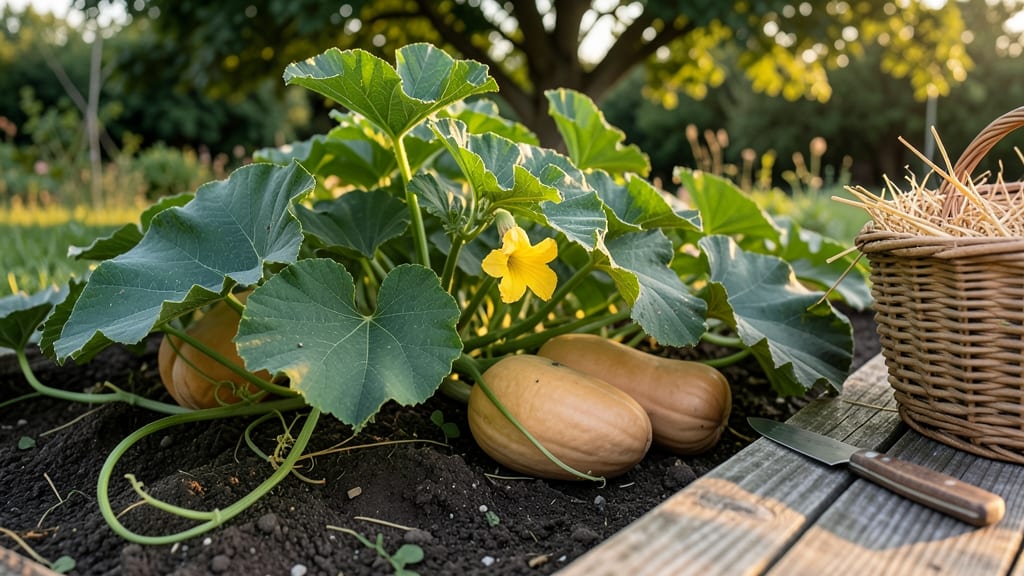
Telling when buttercup squash is ripe means checking for three key signs every few days 🎃—color, texture, and stem condition—that guarantee sweet, flavorful fruit instead of tough or seedy disappointment.
Picture this: you’ve nurtured your buttercup squash for weeks, and now it’s time to harvest. But how do you know it’s really ready? Picking too early means bland, watery flesh, while waiting too long turns it into a rock-hard mess.
The good news? With just a little know-how, you’ll never miss the perfect window again.
This guide breaks down the visual cues (that deep yellow-orange glow and glossy skin), the tactile tests (the thump test and fingernail pressure), and the stem signals (when it turns brown and hardens) that scream "harvest me now!"
Once you master these tricks, you’ll enjoy peak flavor and avoid the most common mistakes—like overripe squash or underripe disappointments—so your kitchen table stays stocked with homegrown goodness all summer long.
3 Visual signs buttercup squash is perfectly ripe (and ready to harvest)
Buttercup squash reaches its peak flavor and texture when harvested at the right moment. Unlike some squash varieties that stay edible past their prime, buttercup squash has a narrow window for perfect ripeness.
Missing these visual cues can lead to tough flesh or overly seedy fruits. The good news? With these three foolproof signs, you’ll never second-guess your harvest timing again.
I’ve learned through years of growing buttercup squash that color, texture, and stem condition work together like a checklist. One sign alone might not be enough—especially in cloudy weather—but when all three align, you’ve got a winner.
Let’s break down each clue so you can confidently pick your squash at its sweetest, most flavorful stage.
-
1
Deep Yellow-Orange Color
Buttercup squash should transition from pale green to a rich yellow-orange. Look for even coloring—no green patches. In cooler climates, this may take longer, so don’t rush it.
-
2
Hard, Glossy Skin
Press your fingernail into the skin. If it doesn’t puncture easily, it’s ready. Overripe squash will feel soft or spongy, while underripe squash stays matte and dull.
-
3
Brown, Dry Stem
Check the stem end—it should be dry and brown, not green or moist. If it’s still green, the squash needs more time. A shriveled stem means it’s past prime.
One common mistake I see is gardeners picking buttercup squash based on size alone. While ripe squash often reaches 6-8 inches in diameter, some varieties stay small but pack maximum flavor. Always prioritize the three visual signs over size—your taste buds will thank you.
Another pro tip: Harvest buttercup squash in the morning after dew has dried. This ensures the skin is firm and less prone to bruising. Use a sharp pruning shear or knife to cut the stem, leaving a 1-inch stub. This prevents disease from entering the plant.
If you’re unsure whether your squash is ready, wait one more day. Buttercup squash won’t ripen further once picked, and underripe fruits develop a mealy texture and bitter taste. Overripe squash, on the other hand, becomes stringy and seedy, with a watery interior. Trust your eyes—and your fingers!
Once harvested, store buttercup squash in a cool, dry place (50-55°F) where it’ll keep for 2-3 weeks. For longer storage, cure it in a warm spot (80-85°F) for 10 days to harden the skin, then move it to a dry, dark area.
Properly cured squash can last up to 3 months.
I’ve had gardeners ask me, “What if my squash never turns yellow?” Cooler temperatures or shady spots can delay color change. In these cases, focus on the skin hardness and stem dryness—these signs are more reliable than color alone.
If your squash stays green but firm, it’s still edible but may lack the sweetness of a fully ripened fruit.
Finally, don’t overlook the weight factor. A perfectly ripe buttercup squash feels heavy for its size due to its dense, flavorful flesh. Lift a few candidates—you’ll quickly notice the difference between a light, hollow-sounding underripe squash and a solid, substantial ripe one.
This tactile check is my favorite backup method on cloudy days when color cues are harder to judge.
How to test buttercup squash ripeness beyond visual cues: the pro gardener’s tactile guide
Buttercup squash ripeness isn’t always obvious—cloudy days or inconsistent sunlight can muddle color cues, leaving you guessing. That’s why I rely on tactile tests to confirm ripeness when visual signs are unclear. These hands-on methods reveal what your eyes might miss, ensuring you harvest at peak flavor and texture.
Start by examining the stem attachment point. A ripe buttercup squash will have a dry, woody stem that separates easily from the fruit. If the stem pulls off cleanly with minimal resistance, it’s a strong sign of ripeness.
This is especially useful in overcast conditions where color changes are harder to spot.
If the stem stays attached when pulled but the fruit feels mushy inside, it’s past its prime. Overripe buttercup squash develops stringy flesh and bitter seeds, ruining its sweet, nutty flavor. Always double-check with the thump test (below) before committing to a harvest.
Next, perform the thump test—a pro trick I learned from market gardeners. Give the squash a firm tap with your knuckles. A ripe buttercup will produce a deep, hollow sound, like knocking on a wooden door.
If it sounds dull or thud-like, the flesh is still developing and needs more time on the vine.
For extra precision, check the seed cavity. Cut a small slice near the stem end and inspect the seeds. Ripe buttercup squash seeds should be plump and fully formed, with a hard, white coating.
If the seeds are shriveled or still translucent, the squash needs more time to mature.
Finally, evaluate weight and firmness. A ripe buttercup squash feels heavy for its size due to concentrated sugars. Press your thumbnail into the rind—if it doesn’t puncture easily and leaves a slight indentation, it’s ready. Soft spots or give under pressure mean it’s underripe.
Combine these tactile tests for 100% accuracy, especially in humid climates where visual cues can be misleading. Harvest at dawn when temperatures are coolest to preserve flavor and texture—your taste buds will thank you!