
How To
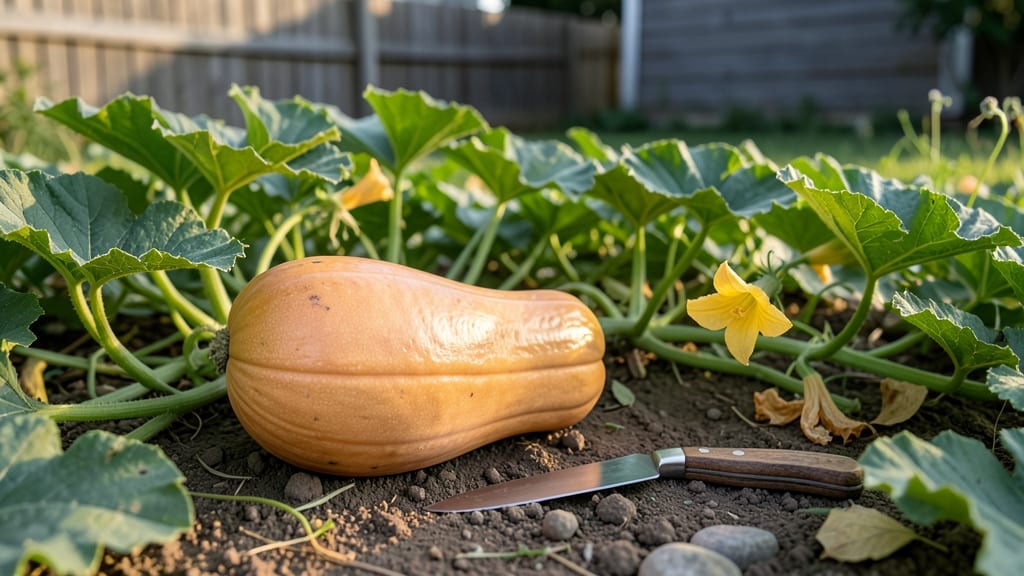
To know if a butternut squash 🎃 is ripe, focus on three key cues: stem dryness, skin color, and weight—each one tells you whether it’s ready to harvest or still needs time.
Picking a butternut squash that’s perfectly ripe can be tricky—overripe means mushy flesh, underripe leaves you with bland, tough vegetables. I’ve wasted more than a few squash by guessing, but these simple checks will save you from the same mistake.
Start with the stem: a ripe butternut’s stem should twist off easily with a slight tug, revealing dry, papery tissue underneath. Next, check the skin—it should shift from green to a rich tan or beige, especially near the blossom end.
Finally, lift the squash: ripe ones feel surprisingly heavy for their size.
Once you’ve mastered these signs, you’ll harvest at peak flavor, store them longer, and avoid the frustration of underripe or overripe squash. Below, I’ll break down each test in detail, plus what to do if your squash is still green or already past its prime.
The stem twist test: the most reliable way to check ripeness
When harvesting butternut squash, the stem twist test is my go-to method for determining ripeness. This simple technique reveals whether the squash has reached its perfect flavor and texture—no guesswork needed.
The test works by assessing the cellulose breakdown in the stem as the squash matures, which changes its structural integrity.
Why does this matter? A ripe squash will have dry, papery stems that separate easily, while unripe ones resist. The science behind it involves moisture loss and natural enzymatic changes in the plant’s vascular system. When you twist, you’re essentially testing how far these changes have progressed.
Here’s the catch: timing is everything. Testing too early means you’ll harvest underripe squash with tough, bland flesh. Wait too long, and you risk ending up with mushy, overripe squash that spoils quickly. The twist test helps strike that perfect balance.
How to Perform the Stem Twist Test
- 1 Locate the stem: Find the blossom end (the stem near where the flower was). This is the weakest point and where you’ll test.
- 2 Grip the stem: Hold the stem between your thumb and forefinger, about 1-2 inches from the squash. Apply gentle pressure—don’t squeeze too hard!
- 3 Twist slowly: Rotate the stem counterclockwise with steady pressure. A ripe squash’s stem will twist off cleanly with minimal force, often making a slight papery cracking sound.
- 4 Check the resistance: If the stem resists twisting or snaps back, the squash is underripe. If it twists off too easily (like pulling a dry leaf), it may be overripe.
- 5 Confirm with visual cues: Pair the twist test with color changes (tan or beige rind) and stem dryness for the most accurate results.
The ideal ripe squash will have a stem that twists off with a soft crack and leaves a dry, papery nub. This indicates the squash has reached peak sweetness and tenderness. If the stem feels slimy or green, it’s not ready yet.
One common mistake is twisting too hard, which can damage the squash or give false results. Always use gentle, controlled pressure. Another pitfall is testing squash that’s been exposed to frost or extreme heat, as these conditions alter the stem’s natural breakdown process.
Pro tip: Harvest in the morning after the dew has dried. This ensures the stem is at its driest, making the twist test more reliable. Plus, morning-harvested squash tends to store better.
If you’re growing butternut squash in containers or raised beds, the twist test is even more critical. These squash often ripen faster due to warmer soil temperatures, so monitor them closely. A weekly check starting at 75 days (minimum maturity) will keep you on track.
Remember, the twist test isn’t just about harvesting at the right time—it’s about preserving quality. A perfectly ripe butternut squash will store for months in a cool, dry place, while underripe or overripe squash spoils quickly. Master this test, and you’ll always enjoy squash at its best!
Color and texture clues: what to look for beyond the stem
Beyond the stem twist test, your butternut squash reveals ripeness through color shifts and texture changes. Start by examining the skin color—ripe squash transitions from bright green to a dull tan or beige hue.
This shift signals the squash has absorbed enough sunlight to develop its signature sweetness. The stem near the blossom end also darkens, turning from green to brown or withered, a clear sign of maturity.
Next, perform a gentle thumb press on the squash’s skin. A ripe butternut will feel firm yet slightly yielding, almost like a ripe avocado. If it feels too hard, it’s likely underripe; if it gives too easily, it’s overripe.
This firmness test is your best tactile clue for determining the perfect harvest window. Sunlight exposure plays a key role here—squash grown in full sun (6-8 hours daily) ripens faster and develops richer color and flavor.
Pay attention to the weight of the squash—a ripe butternut feels surprisingly heavy for its size due to concentrated sugars. Tap it gently with your knuckles: a ripe squash produces a dull thud, while an unripe one sounds hollow.
This acoustic test is a quick way to confirm ripeness without damaging the fruit. If your squash checks all these boxes, it’s ready for harvest. For optimal flavor, aim to pick your butternut squash in late September or October, when daytime temperatures start to cool.
One final tip: avoid harvesting squash after a heavy rain, as excess moisture can dilute flavor and encourage rot. Instead, pick on a dry morning after the dew has evaporated.
This ensures your squash stays firm and flavorful during storage. Once harvested, let it cure in sunlight for a few days to enhance sweetness and toughen the skin for longer storage.
If you’re still unsure, combine these clues with the stem twist test from the previous section. When all signs align—tan skin, dry stem, firm texture, and heavy weight—you’ve got a butternut squash at its peak.
Now you’re ready to enjoy its nutty, sweet flavor in soups, roasts, or baked goods.
Remember, the key to a perfect butternut squash lies in patience and observation. Trust your senses: your eyes for color, your hands for texture, and your ears for that satisfying thud. Happy harvesting! 🎃