
Planting
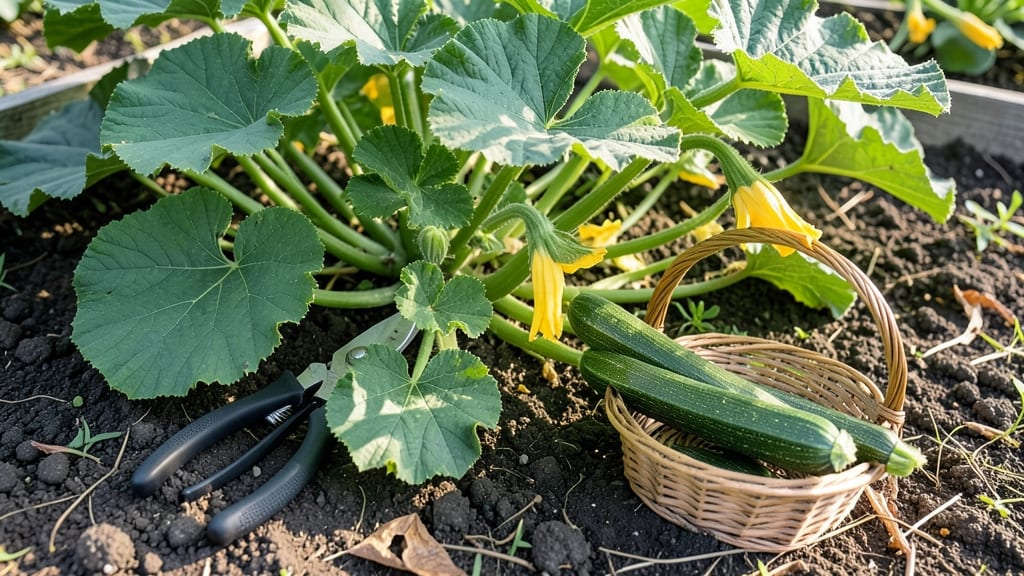
How many squash per plant you can expect depends on the variety: most produce 3 to 5 mature fruits per season, with bush types yielding 2-3 and vining varieties like butternut potentially reaching 5-10. Proper spacing and pruning directly impact both quantity and quality.
A single squash plant's productivity varies dramatically based on its growth habit. 🌱 Bush varieties, like zucchini, focus their energy on fewer fruits but deliver them faster, while sprawling vining types invest in fewer but larger harvests over time.
The key difference lies in their genetic structure—bush types prioritize quick maturation, while vining plants channel resources into fewer, more substantial fruits.
I've found that even within the same variety, proper spacing (3-4 feet for bush types, 5+ feet for vines) can increase yields by 30% or more by reducing competition for nutrients.
Environmental factors play an equally critical role.
Adequate sunlight (6-8 hours daily) and well-draining soil rich in organic matter create ideal conditions for fruit development. 🌞 Pruning techniques also matter—removing excess foliage improves airflow and directs energy toward fruit production, while companion planting with herbs like basil can deter pests that might otherwise reduce yields.
The pollination process itself is fascinating; many squash varieties rely on bees, so planting near flowering plants can significantly boost fruit set.
💡 In This Article
- Factors Affecting Squash Yield Per Plant
- Maximizing Squash Harvests: Pruning and Spacing Tips
Factors affecting squash yield per plant
The genetic makeup of your squash variety determines its natural yield potential. Bush types like zucchini or pattypan squash produce 2-3 fruits per plant because they allocate energy to rapid maturation rather than extensive growth.
These compact plants focus on quick fruit development, often delivering harvests within 45-55 days of planting. In contrast, vining varieties such as butternut or spaghetti squash channel resources into fewer but larger fruits, typically yielding 5-10 squash per plant over a 90-120 day growing season. 🌱
Environmental conditions create the foundation for optimal yields. Squash thrive in full sun (6-8 hours daily) and well-draining soil with a pH between 6.0-7.0. Nutrient availability is critical—soil deficient in nitrogen or potassium can stunt fruit development.
I've observed that plants grown in compost-amended soil produce fruits that are 20-30% heavier than those in poor-quality soil. Watering patterns also matter: consistent moisture (about 1-2 inches per week) prevents blossom-end rot, a common issue that reduces yields by wasting developing fruits.
Pollination plays a surprising role in determining how many fruits mature. Many squash varieties are bee-pollinated, meaning they rely on insect activity to trigger fruit set. Planting near flowering herbs like basil or marigolds can increase pollinator visits by up to 40%, directly boosting fruit production.
Some varieties are even self-pollinating, but wind or hand-pollination may still improve yields in protected environments. The key is ensuring flowers remain healthy—damaged or wilted blossoms won't develop into squash.
Cultivation practices further refine yield potential. Pruning excess foliage improves airflow, reducing fungal diseases that can weaken plants. I've found that removing 10-15% of leaves near the base can increase fruit size by 15% while maintaining overall yield.
Overcrowding is another yield killer—plants competing for nutrients produce smaller, misshapen fruits. Proper spacing (as little as 3 feet apart for bush types) allows each plant to maximize its genetic potential.
Seasonal timing also influences productivity. Early-season varieties mature faster but may produce fewer fruits due to limited growing time. Later varieties, like winter squash, invest in storage carbohydrates, resulting in larger but fewer harvests.
The trade-off between quantity and size is built into the plant's biology—understanding this helps gardeners set realistic expectations based on their climate and growing season length.