
How To
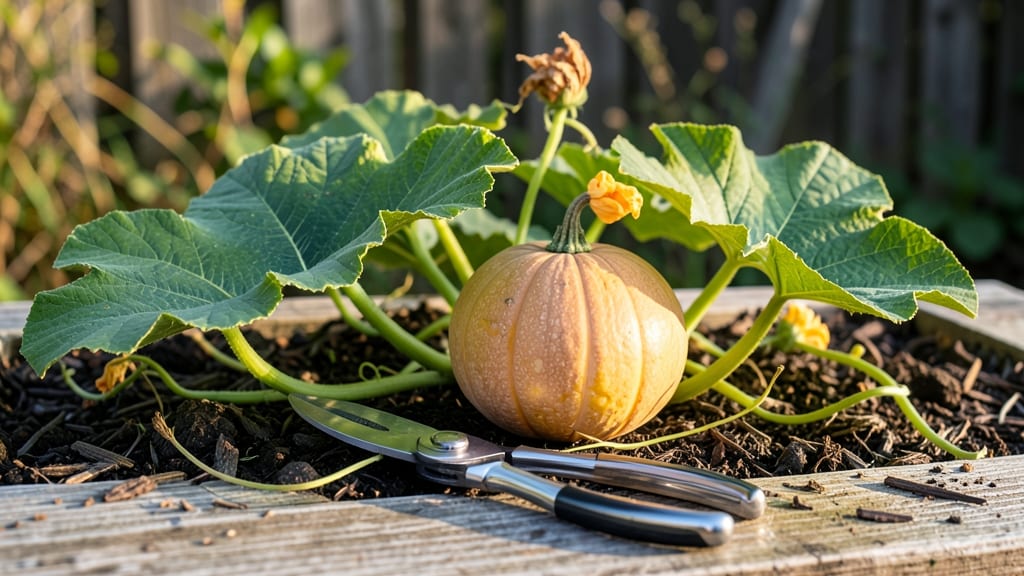
An acorn squash 🎃 typically grows to about 6–10 inches in diameter and weighs between 1–3 pounds when fully mature, though some varieties can reach closer to 12 inches and 5 pounds.
If you’ve ever wondered how to identify the perfect acorn squash at the farmers' market—or when to harvest your own—knowing its size is key to getting that sweet, nutty flavor you crave.
Size matters more than you might think: a squash that’s too small could be underripe, while one that’s oversized might have tough skin or less flavor. Getting the dimensions right also helps with spacing in your garden—planting too close can stunt growth, and too far apart wastes space.
Below, I’ll break down exactly what to look for at harvest time, how size affects storage, and why your squash might be growing bigger (or smaller) than expected. You’ll leave here with the confidence to pick the perfect one every time.
Standard acorn squash size: what to expect at harvest time
When you're growing acorn squash in your garden, knowing the standard size at harvest helps you determine when to pick them for peak flavor and storage potential.
A mature acorn squash typically measures between 4 to 6 inches in diameter and 5 to 8 inches in length, resembling a small, rounded acorn—hence the name. Their weight usually falls between 1 to 3 pounds, though some varieties can reach up to 4 pounds.
Understanding these dimensions ensures you harvest at the right time for the best results.
Size isn't just about appearance—it directly impacts the squash's ripeness and flavor profile. Smaller squash (around 4 inches) tend to have a sweeter, more concentrated taste, while larger ones (closer to 6 inches) offer a slightly milder but still delicious flavor.
The size also affects how long they'll store, with smaller squash lasting longer due to their thicker rinds. Knowing these details helps you plan your garden layout and storage strategies.
| Dimension | Standard Size | Household Comparison | Impact on Harvest |
|---|---|---|---|
| Diameter | 4–6 inches | Base of a baseball bat | Smaller = sweeter, denser flesh |
| Length | 5–8 inches | Standard lightbulb | Longer = thicker skin, better storage |
| Weight | 1–3 lbs | Small cantaloupe | Heavier = more flesh, longer shelf life |
| Vine Length | 3–5 feet | Small couch length | Longer vines = more squash potential |
| Rind Thickness | 1/4–1/2 inch | Credit card thickness | Thicker = longer storage life |
If you're comparing your acorn squash to common household objects, think of it as roughly the size of a baseball bat in diameter and about the length of a standard lightbulb. This comparison makes it easier to visualize while shopping or harvesting.
For example, if your squash feels heavier than a cantaloupe but lighter than a small pumpkin, it’s likely in the ideal 1.5 to 2.5-pound range for peak flavor.
Size also plays a role in storage potential. Larger squash with thicker rinds, like those closer to 6 inches in diameter, can last 2 to 3 months in a cool, dark place. Smaller squash, while sweeter, may only store for 1 to 2 months.
To maximize storage life, harvest when the squash reaches its ideal size for your variety and ensure the rind is hard enough to resist a fingernail puncture.
One common mistake gardeners make is harvesting based solely on color rather than size. While acorn squash typically turn deep green, orange, or yellow when ripe, relying only on color can lead to overripe or underdeveloped squash.
Always check the size and rind hardness first—this combination ensures you’re harvesting at the perfect moment for the best taste and texture.
For home gardeners, knowing the standard acorn squash size also helps with spacing. Since each vine can produce multiple squash, plan for 3 to 4 feet of space between plants to allow room for growth.
If you’re growing in containers, ensure the pot is at least 18 inches deep to accommodate the vine length and squash size.
If you’re growing acorn squash for the first time, don’t be surprised if your first few squash are smaller than expected. Factors like sunlight exposure, soil quality, and watering consistency can all affect size.
For example, plants with less than 6 hours of sunlight may produce smaller squash with less flavor. Pay attention to these conditions to help your squash reach their full potential.
Once you’ve harvested your acorn squash at the right size, you’ll notice a sweeter, denser flesh compared to underripe or overripe squash. The skin will be firm, and the stem will begin to shrivel—these are clear signs you’ve timed your harvest perfectly.
Store them in a cool, dry place (around 50–55°F) to preserve their freshness and enjoy their nutty flavor all season long
How acorn squash size varies by variety and growing conditions
Not all acorn squash varieties grow to the same size, and your local climate or garden conditions can influence their development. For example, 'Table Queen' typically matures smaller than 'Sweet Cheese', but both can vary based on sunlight exposure and soil fertility.
Understanding these differences helps you plan spacing and predict yield in your garden.
Growing conditions like sunlight, soil nutrients, and water availability play a huge role in squash size. Too little sun might stunt growth, while rich soil can produce larger, sweeter fruits.
Even temperature fluctuations can affect how quickly squash mature—hotter climates often speed up growth, while cooler ones may slow it down.
| Variety | Average Size (Diameter) | Average Weight | Growth Habit | Sunlight Needs |
|---|---|---|---|---|
| Table Queen | 6-8 inches | 1-2 lbs | Compact vines | 6-8 hours |
| Sweet Cheese | 8-10 inches | 2-3 lbs | Sprawling vines | 8+ hours |
| Autumn Cupboard | 5-7 inches | 1-1.5 lbs | Bush-type | 6-7 hours |
| Sweet Dumpling | 4-6 inches | 0.5-1 lb | Small vines | 6-8 hours |
To maximize squash size in your garden, prioritize well-draining soil rich in organic matter and ensure plants receive consistent moisture, especially during flowering. I’ve found that adding a balanced fertilizer like 5-10-10 at planting and again when flowers appear boosts fruit development significantly.
If your garden gets partial shade, expect smaller squash—these varieties thrive best with full sun. In cooler climates, extend the growing season with row covers or choose early-maturing varieties like 'Sweet Dumpling' to ensure proper sizing before frost.
Proper vine spacing also impacts size. Give plants at least 3-4 feet between hills to prevent overcrowding, which can lead to stunted growth. I once grew 'Sweet Cheese' too close together, and the squash only reached half their expected size due to competition for nutrients.
For home gardeners, tracking squash size helps predict yield. Use a tape measure to monitor growth—most varieties stop expanding once they reach their genetic potential. Harvesting at the right time ensures sweetness and storage readiness, so keep an eye on those rind hardness cues!