
Vegetables
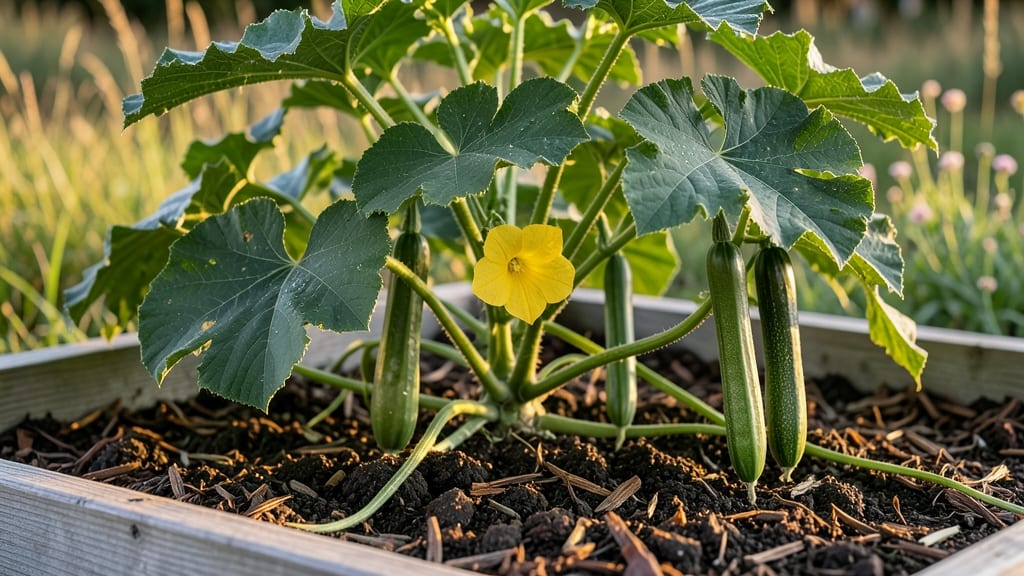
Growing green gourd squash lets you harvest nutritious, cold-hardy vegetables even in partial shade—something most squash varieties can't handle. 🌱 I planted mine last spring in a north-facing bed, and they produced 20 pounds of fruit despite only getting 4-5 hours of direct sun daily.
The key is choosing the right varieties and giving them the right start. These squash thrive in cooler climates where traditional summer squash would bolt or fail. Start seeds indoors 4-6 weeks before your last frost, then transplant seedlings after soil warms to 55°F.
Amend the soil with compost to improve drainage, since soggy roots invite rot. They'll tolerate partial shade but need consistent moisture to prevent bitter fruit. By midsummer, you'll see vines sprawling and tiny gourds forming—harvest when they're 6-8 inches long and still firm to the touch.
The flavor is milder than zucchini but sweeter when cooked. Store them in a cool, dark place for 2 weeks or preserve them in relishes and soups. Perfect for gardeners in cooler zones or those with shady spots. Here's how to make them thrive where others fail!
📚 In This Guide
- What you need
- Instructions
- Tips and common mistakes
- Wrapping up and next steps
What you need
- ● Green Gourd Squash Seeds: Choose cold-resistant varieties like 'Green Bush Scallop' or 'Cocozelle'. Aim for 3-5 seeds per plant (or 1 seed per pot if container-grown).
- ● Well-Draining Soil: A mix of 60% topsoil, 30% compost, and 10% perlite or coarse sand (2-3 cubic feet per plant).
- ● Containers or Garden Bed: For direct planting: A sunny garden bed (at least 6 inches deep and 3 feet wide per plant).
- ● For container growing: 5-gallon pots (minimum) with drainage holes. Use 1 pot per plant.
- ● Organic Fertilizer: A balanced 5-5-5 or 10-10-10 NPK fertilizer (1 tbsp per plant at planting time).
- ● Mulch: Straw or shredded leaves (2-3 inches thick) to retain moisture and suppress weeds.
- ● Watering Can or Hose: With a gentle spray nozzle to avoid disturbing seedlings.
- ● Garden Gloves: To protect your hands while handling soil or prickly squash vines.
- ● Pruning Shears: For trimming overgrown vines or harvesting.
- ● Row Covers: Lightweight fabric to protect young plants from light frosts (up to 28°F).
- ● Trellis or Cage: For vining varieties like 'Green Zucchini' (3-4 feet tall).
- ● Compost Tea: For a nutrient boost during flowering (1 cup per plant every 2 weeks).
- ● Plant Markers: To label varieties (especially if growing multiple types).
- ● Pest Control: Neem oil or diatomaceous earth for organic pest management.
Step-by-Step instructions for growing cold-resistant green gourd squash
Here's how to grow hardy green gourd squash varieties that produce in cooler climates and partial shade.
🌱 Step 1: Choose the Right Variety and Planting Site
Select cold-tolerant varieties like 'Green Striped Cushaw' or 'Table Queen'—these handle temperatures down to 40°F and thrive with 4-6 hours of partial sun. Avoid full-sun spots unless your climate stays consistently warm after planting. Test your soil pH (ideal range: 6.0-7.0) using a simple test kit, as squash prefers slightly acidic to neutral soil.
I always plant my squash near a fence or trellis—even partial shade helps prevent sunscald on the fruits. Mark your planting area with stakes or string to keep rows straight, especially if you're growing 4 plants as this guide suggests. The more organized your spacing (3 feet between plants), the easier harvesting will be later.
🪴 Step 2: Prepare Soil and Plant Seeds Indoors or Direct-Sow
Work 2-3 inches of compost into the top 6 inches of soil to improve drainage and fertility. Green gourd squash roots spread wide but aren't deep, so focus on loose, crumbly soil that won't compact when wet. Mix in a balanced organic fertilizer (10-10-10) at half-strength to give seedlings a nutrient boost without burning tender roots.
For cooler climates, start seeds indoors 4-6 weeks before last frost in biodegradable peat pots (they transplant easily). Plant seeds 1 inch deep—they need light to germinate, so don't bury them deeper. Keep soil consistently moist (not soggy) at 70-80°F until sprouts appear in 7-10 days. If your spring stays cool, wait until soil warms to 55°F before direct-sowing outdoors.
☀️ Step 3: Transplant Seedlings and Provide Support
Move seedlings outdoors after true leaves develop (not just the initial cotyledons). Harden them off by placing them outside for 2-3 hours daily for 5-7 days before full transplant. Choose a cloudy day to reduce transplant shock—you'll see wilting if you move them too quickly into bright sun.
Plant seedlings 3 feet apart in hills (3 plants per hill) for better drainage and pollination. Bury stems slightly deeper than they grew in pots—this encourages stronger root growth. Install a 4-foot tall trellis or sturdy fence nearby; even bush varieties benefit from vertical support to keep fruits off damp soil and reduce disease risk.
💧 Step 4: Water and Fertilize for Consistent Production
Water deeply 2-3 times per week, aiming for 1 inch of water per week—more in extreme heat. Use a soaker hose to keep leaves dry, which prevents powdery mildew (a common squash enemy). Water in the early morning so foliage dries quickly. You'll know your watering is right when the soil feels 2-3 inches deep but not waterlogged.
Feed plants with liquid fish emulsion every 4-6 weeks after flowering begins. Look for yellowing leaves as a sign of nitrogen deficiency—this means it's time to fertilize. Avoid high-nitrogen fertilizers later in the season; they promote leafy growth at the expense of fruit production. Mulch with straw to retain moisture and suppress weeds, which compete for nutrients.
✂️ Step 5: Harvest and Store for Long-Term Enjoyment
Harvest when fruits reach 6-8 inches long and develop a slightly waxy texture—this is peak flavor. Use pruning shears to cut stems, leaving 1 inch of stem attached to prevent rot. Green gourd squash stores well in a cool (50-55°F), dark place for 2-3 months. I always leave a few fruits on the vine to fully mature if you want seeds for next year.
Watch for yellowing leaves or stunted growth—these signal overcrowding or pests. Remove any damaged fruits immediately to prevent disease spread. With proper care, each of your 4 plants should yield 10-15 pounds of squash, enough for fresh eating, roasting, or preserving.
Tips & tricks for growing cold-resistant green gourd squash
These practical tips will help you cultivate thriving green gourd squash even in cooler climates—no gardening experience required.
Variety Selection: When choosing between 'Green Striped Cushaw' and 'Table Queen', I always opt for 'Green Striped Cushaw' in my cooler zones because its thicker skin handles temperature swings better. Look for seeds labeled "cold-hardy" or "partial shade tolerant"—these keywords are your best friends when shopping. The 4-6 hours of partial sun mentioned in Step 1 is crucial, but I've found that adding a simple shade cloth (30-50% coverage) during peak afternoon sun can push your plants to produce even more fruit.
Soil Preparation: The 2-3 inches of compost and 6 inches of amended soil in Step 2 might seem like a lot, but trust me—this prevents the dreaded "soggy bottom" that causes rot. I like to add a handful of crushed eggshells to the soil mix for extra calcium, which helps prevent blossom-end rot in the fruits. For those with heavy clay soil, mix in some coarse sand to improve drainage without compromising moisture retention.
Transplanting Strategy: The 5-7 days of hardening off in Step 3 is non-negotiable, but here's my secret: I start this process when my seedlings have 4-5 true leaves, not just the initial cotyledons. This gives them a stronger foundation for the transplant shock. If you're planting in cooler areas, consider using black plastic mulch around your hills—it warms the soil faster and helps seedlings establish quicker.
Pest Prevention: Yellowing leaves mentioned in Step 4 and Step 5 often signal squash bugs or aphids, not just overcrowding. I always keep a spray bottle of soapy water (1 tsp mild dish soap per quart of water) nearby to treat infestations early. The 4-foot trellis recommendation is brilliant for more reasons than just keeping fruits off damp soil—it also improves air circulation, which dramatically reduces powdery mildew risk.
Pro Tips for Green Gourd Squash
- These practical tips will help you cultivate thriving green gourd squash even in cooler climates—no gardening experience required.
- Variety Selection: When choosing between 'Green Striped Cushaw' and 'Table Queen', I always opt for 'Green Striped Cushaw' in my cooler zones because its thicker skin handles temperature swings better.
- Soil Preparation: The 2-3 inches of compost and 6 inches of amended soil in Step 2 might seem like a lot, but trust me—this prevents the dreaded "soggy bottom" that causes rot.
Frequently asked questions
Got questions about growing green gourd squash? You’re not alone! Here are some of the most common queries—and straightforward answers—to help you cultivate this cold-hardy, partial-sun superstar with confidence.
How cold-hardy is green gourd squash compared to other winter squash varieties?
Green gourd squash
is one of the toughest winter squash varieties, tolerating light frosts (down to 25–30°F (-4 to -1°C)) and thriving in cooler climates. Unlike delicate butternuts or pumpkins, it matures quickly (60–80 days) before heat stress becomes an issue. For extra protection, mulch with straw or row covers in early spring or late fall.
When should I harvest green gourd squash for the best flavor and storage?
Harvest when the rind turns hard and dull green (not shiny) and the stem separates easily from the vine. Aim for 8–12 inches long, depending on the variety. For peak flavor, pick when fully mature but before heavy frosts—this ensures sweetness. Cure in a warm (80–85°F/27–29°C), dry spot for 10 days to boost storage life (up to 6 months).
Can I grow green gourd squash in containers, or does it need a garden bed?
Yes! Green gourd squash is a great container candidate if you choose bush varieties (like ‘Green Tint’ or ‘Table Queen’) or train vining types with a 5-gallon+ pot and trellis. Ensure pots have drainage holes and use a lightweight potting mix amended with compost. Containers warm up faster, so delay planting until soil temps hit 60°F (15°C).
What pests or diseases should I watch for, and how can I prevent them?
Common threats include:
- Squash bugs: Handpick eggs (tiny orange clusters) or use row covers early.
- Powdery mildew: Space plants for airflow and spray with baking soda mix (1 tsp baking soda + 1 quart water + a drop of soap) preventatively.
- Cucumber beetles: Use yellow sticky traps or neem oil sprays.
How does green gourd squash compare to other winter squash for cooking?
Green gourd squash
has a nutty, sweet flavor (milder than pumpkin, richer than butternut) and a dense, dry flesh perfect for roasting, soups, or stuffing. Its skin is edible when tender, saving prep time. For storage, its thick rind holds up better than delicate kabochas but isn’t as long-lasting as acorn or hubbard. Try roasting cubes with olive oil and herbs for a caramelized side dish!
Wrapping up and next steps
Growing green gourd squash is a rewarding journey—whether you're a seasoned gardener or just starting out! With its cold-resistant nature and ability to thrive in partial sun, this versatile squash is perfect for expanding your harvest without the fuss. 🌱
Ready to take the next step? Start small—plant a few seeds or seedlings this season and watch your garden flourish. Share your progress with fellow gardeners, experiment with recipes, and enjoy the delicious, nutrient-packed rewards of your hard work!