
Picking
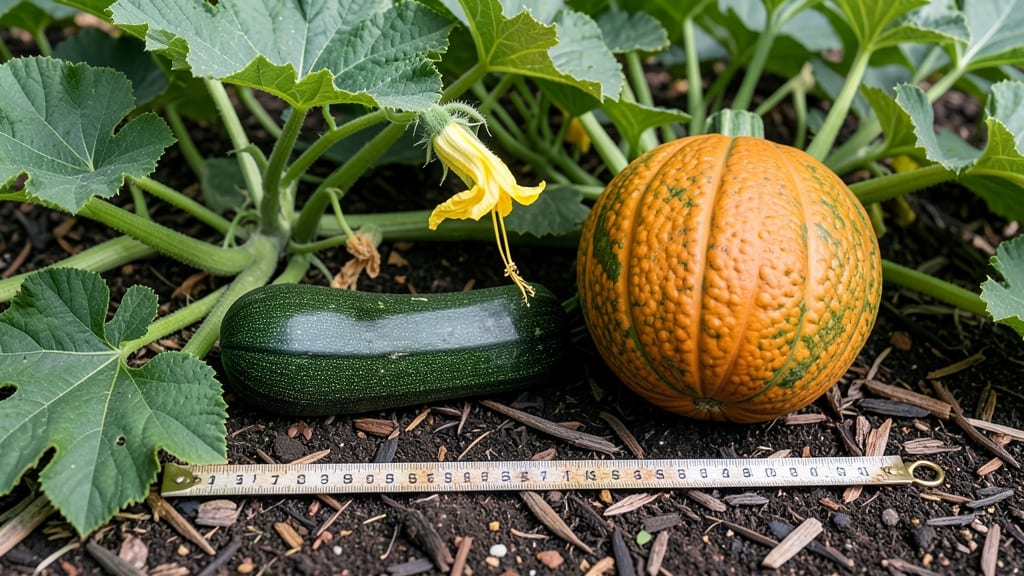
Confused by your garden's round, lumpy harvest? 🌱 The gourd and squash difference isn't just about looks—it's about how you'll use them. Gourds are the ornamental showstoppers with hard skins and seeds too tough to eat, while squash are the culinary stars with tender flesh and edible seeds.
One ends up in your fall decor; the other goes straight to your dinner plate.
Gourds grow on vines like their squash cousins but develop into tough, often ribbed shells that dry into keepsakes or birdhouses. Think of them as nature's decorative art—some even glow under blacklight!
Squash, on the other hand, stay soft and sweet, with varieties ranging from butternut's sweet, nutty flesh to zucchini's mild, versatile green. The key? Squash skin is smooth and thin enough to slice, while gourds feel like lightweight hard plastic.
Harvest time reveals the real difference: squash ripens when its skin turns dull and firm to the touch, while gourds need full vine maturity before they detach cleanly.
One goes into your stir-fry, the other into your Halloween display. The confusion starts when both grow on the same plant family—until you learn these simple clues.
Here's the game-changer: most garden centers sell "squash" plants that actually produce gourds (like pumpkins). Always check seed packets—your harvest's fate depends on knowing which is which. Now you'll never mistake your Thanksgiving pie for a porch decoration again.
The first product explained
Meet your new garden hero: the Butternut Squash—a classic winter squash that’s as versatile as it is delicious! 🎉 Whether you're a home gardener, a culinary enthusiast, or just someone who loves a good harvest, this squash is a must-have.
Let’s dive into what makes it stand out in the gourd vs. squash debate.
📏 Specs & Features
Butternut squash is easily recognizable with its:
- Shape: Long, tapered neck with a bulbous base, resembling a pear or a football.
- Skin: Smooth, tan, and slightly ribbed with a creamy orange flesh underneath.
- Size: Typically weighs 2–5 pounds, with some varieties reaching up to 10 pounds.
- Texture: Firm, dense, and slightly sweet when ripe—perfect for roasting, soups, or baking!
- Season: Harvested in late summer to early fall (September–November) and stores well for months.
🎯 Target Users
This squash is a crowd-pleaser for:
- Home gardeners who love low-maintenance, high-yield crops.
- Chefs and home cooks craving a nutty, sweet flavor profile.
- Health-conscious eaters seeking fiber, vitamin A, and antioxidants.
- Beginners and experts alike—its hardiness makes it a garden favorite.
💰 Price Point & Value
Pricing varies by season and location, but you can generally expect:
| Type | Average Price (per pound) | Best Time to Buy |
|---|---|---|
| Fresh (local farmers' market) | $1.50–$3.00 | Fall harvest (September–November) |
| Organic | $2.50–$4.50 | Year-round (peak fall) |
| Pre-cut or canned | $2.00–$5.00 (per can/pack) | Convenience stores, year-round |
Pro tip: 💡 Buy in bulk during harvest season and store in a cool, dry place to maximize savings and freshness!
The second product explained
Meet the Cucurbita pepo family’s star: the versatile squash! 🌱 If you're looking for a garden or pantry staple that’s packed with flavor, nutrition, and endless culinary possibilities, this is your go-to. Unlike its gourd cousins, squash is all about edibility—from creamy soups to crispy roasted sides. Let’s break down what makes this product shine.
📏 Specs & Features
Squash comes in a dazzling array of varieties, but here’s what they generally share:
- Size: Typically ranges from golf-ball-sized pattypan squash to football-sized butternut varieties.
- Color: Skin tones span from deep green (zucchini) to golden yellow (acorn) or orange (butternut).
- Texture: Skin can be smooth, ribbed, or bumpy, while flesh is usually creamy, dry, or slightly fibrous depending on the type.
- Flavor: Sweet, nutty, or earthy—often richer than gourds.
- Growth: Most squash varieties thrive in warm climates and require 60–100 days to mature.
🎯 Who’s It For?
Squash is the ultimate crowd-pleaser, loved by:
- 👩🍳 Home cooks who crave easy, healthy sides (think: spiralized zoodles or stuffed acorn squash).
- 🏋️ Health-conscious eaters—squash is low-calorie but high in vitamins A and C, fiber, and potassium. 📊
- 🍽️ Chefs and foodies experimenting with global cuisines (imagine Italian risotto or Indian curries!).
- 🌿 Gardeners seeking high-yield, low-maintenance crops.
$ Price Point & Value
Squash offers serious bang for your buck:
- Fresh market: $1–$4 per pound (varies by variety and season).
- Farmers’ markets: Often cheaper and fresher—ask vendors about heirloom or organic options!
- Canned/pureed: $2–$5 per can (butternut squash is a pantry staple for soups).
- Seed cost: $2–$5 per packet (grows into plenty of squash—one plant can produce 10+ fruits!).
Pro tip: Buy squash when it’s heavy for its size and the stem is still intact—this means it’s ripe and flavorful! ✨
Head-to-head comparison
Now that you’ve got a taste of what gourds and squash bring to the table, let’s dive into a side-by-side comparison to help you spot the differences like a pro!
Whether you're a seasoned gardener or just curious about your latest harvest, this breakdown will clear up any confusion. Here’s how gourds and squash stack up across key dimensions:
🌱 Appearance: The First Giveaway
If you’re standing in front of a patch of plants or staring at a farmers' market display, the first thing you’ll notice is how these two look very different. Here’s how to tell them apart at a glance:
| Feature | Gourds | Squash |
|---|---|---|
| Shape | Often elongated, ribbed, or irregular (think pumpkins, bottle gourds, or calabash). Some are round but usually have a hard, woody texture. | Mostly round, oblong, or flattened (like butternut, acorn, or spaghetti squash). Texture is softer and smoother. |
| Skin | Thick, hard, and often waxy or bumpy. Some have ornamental patterns or ridges (e.g., birdhouse gourds). | Thinner, smooth or slightly textured (e.g., the netting on acorn squash). Color ranges from deep green to orange or yellow. |
| Size | Can be tiny (like a golf ball) or massive (like a giant pumpkin)—some gourds grow over 100 pounds! | Typically medium-sized (most squash weigh between 2-10 pounds). |
| Stem | Often woody and persistent, sometimes splitting open as it dries. | Softer, green, and usually detaches easily when harvested. |
💡 Pro Tip: If it looks like a decorative lantern or a hard, hollow shell, it’s probably a gourd. If it’s soft enough to carve (like a pumpkin) or looks like a veggie, it’s likely a squash!
🍽️ Culinary Uses: Eat It or Display It?
This is where things get really interesting. While both can be edible, their roles in the kitchen (or living room) are worlds apart:
| Category | Gourds | Squash |
|---|---|---|
| Primary Use | Mostly decorative or functional (e.g., bird feeders, bowls, musical instruments). Only a few are edible (like chayote or wax gourd). | 100% edible! Used in soups, roasting, baking, and even as a meat substitute (e.g., spaghetti squash). |
| Flavor Profile | Edible gourds are mild, slightly sweet, or nutty (e.g., wax gourd tastes like a cross between a cucumber and a zucchini). | Ranges from sweet (butternut, pumpkin) to nutty (acorn) to savory (zucchini, kabocha). |
| Prep Work | Edible gourds often require peeling and deseding (like a cucumber). Hard-shelled gourds need carving or drying for non-food uses. | Usually peeled, seeded, and cubed (or roasted whole, like a delicata). Some squash (e.g., zucchini) can be eaten raw. |
| Nutritional Boost | Edible gourds are low-calorie but high in fiber and vitamin C. Mostly used in Asian cuisines (e.g., dishcloth gourd). | Nutrient powerhouses! Packed with vitamin A, potassium, and antioxidants. Butternut squash is a superfood for immunity. |
💡 Pro Tip: If you’re unsure whether a gourd is edible, do your research first—some can be toxic! Stick to well-known edible varieties like chayote or wax gourd.
🌿 Growth Habits: Garden Real Talk
How they grow can also hint at whether you’re dealing with a gourd or squash. Here’s what to watch for in your garden:
| Factor | Gourds | Squash |
|---|---|---|
| Vine Type | Long, rambling vines (some can grow 20+ feet!). Often trailing or climbing. | Mostly bushy or sprawling (e.g., zucchini) but some (like pumpkins) have long, sprawling vines. |
| Fruit Production | Produces many small fruits (even if only a few are edible). Some varieties are ornamental. | Yields fewer, larger fruits per plant. More focused on edible output. |
| Growth Speed | Slower to mature—some take 90-120 days to reach full size. | Faster! Most squash mature in 50-85 days (e.g., zucchini is a speed demon). |
| Pests & Diseases | Susceptible to powdery mildew and vine borers. Their hard shells make them less appealing to pests once mature. | Prone to squash bugs, powdery mildew, and rot. Requires regular monitoring. |
💡 Pro Tip: If your plant is taking over the garden with long vines and lots of small fruits, you’re probably
Which one should you choose?
So, you’ve explored the key differences between gourds and squash, and now you’re ready to make your pick! 🌱 Whether you’re a gardener, a chef, or just a curious foodie, the right choice depends on your goals—flavor, texture, storage, or even aesthetics. Here’s a quick verdict to help you decide:
🍽️ Pick Squash If...
- You love hearty, savory dishes: Squash is the star of soups, stews, roasts, and even desserts (think pumpkin pie!). Its meaty texture holds up beautifully to cooking.
- You need versatility: From butternut to zucchini, squash adapts to almost any recipe—grilled, baked, spiralized, or stuffed.
- You’re growing for the kitchen: Most squash varieties mature quickly (45–100 days), making them a great choice for impatient gardeners.
- Nutrition is a priority: Squash is packed with vitamins A and C, fiber, and antioxidants. 💪
🎨 Pick Gourds If...
- You adore unique flavors and textures: Gourds like chayote or bitter melon bring bold, peppery, or nutty notes to dishes—perfect for stir-fries or salads.
- You’re into decoration or crafts: Ornamental gourds (like apple gourds or turban gourds) are prized for their colors, shapes, and durability. 🎉
- You prefer longer storage: Many gourds, especially hard-shelled varieties, can last months if stored properly—ideal for pantry staples.
- You’re experimenting with global cuisine: Gourds like wax gourds are staples in Asian dishes, while horned melons add a tropical twist.
🌟 Pro Tip for Gardeners:
If you’re really torn, why not grow both? Many gourds and squash thrive in similar conditions, and you can enjoy the best of both worlds—culinary and decorative! Just give them plenty of space (gourds can sprawl!).
Still unsure? Ask yourself: Am I cooking with this, or keeping it for looks? Need it now, or can it wait? Your answer will guide you to the perfect harvest! 🌿